Do You Need Vitamin C With Collagen?
Vitamin C is genuinely required to make collagen, which is one of the few supplement pairings with a real biochemical basis rather than a marketing one.
By Supplements Guide
13 May 2026

These are the supplements you have seen advertised, and they are where the gap between the claim and the evidence is widest. A few hold up better than their reputation suggests. Several are sold on studies that do not say what the label implies. Some have nothing behind them at all beyond a good-looking tub. We say which, and show our working.
Vitamin C is genuinely required to make collagen, which is one of the few supplement pairings with a real biochemical basis rather than a marketing one.
Readily. Independent testing has found many products exceeding recommended oxidation limits, and the fishy repeat people complain about is often the sign.
This category has the worst adulteration record in the supplement industry, with prohibited pharmaceuticals repeatedly found in products sold as natural.
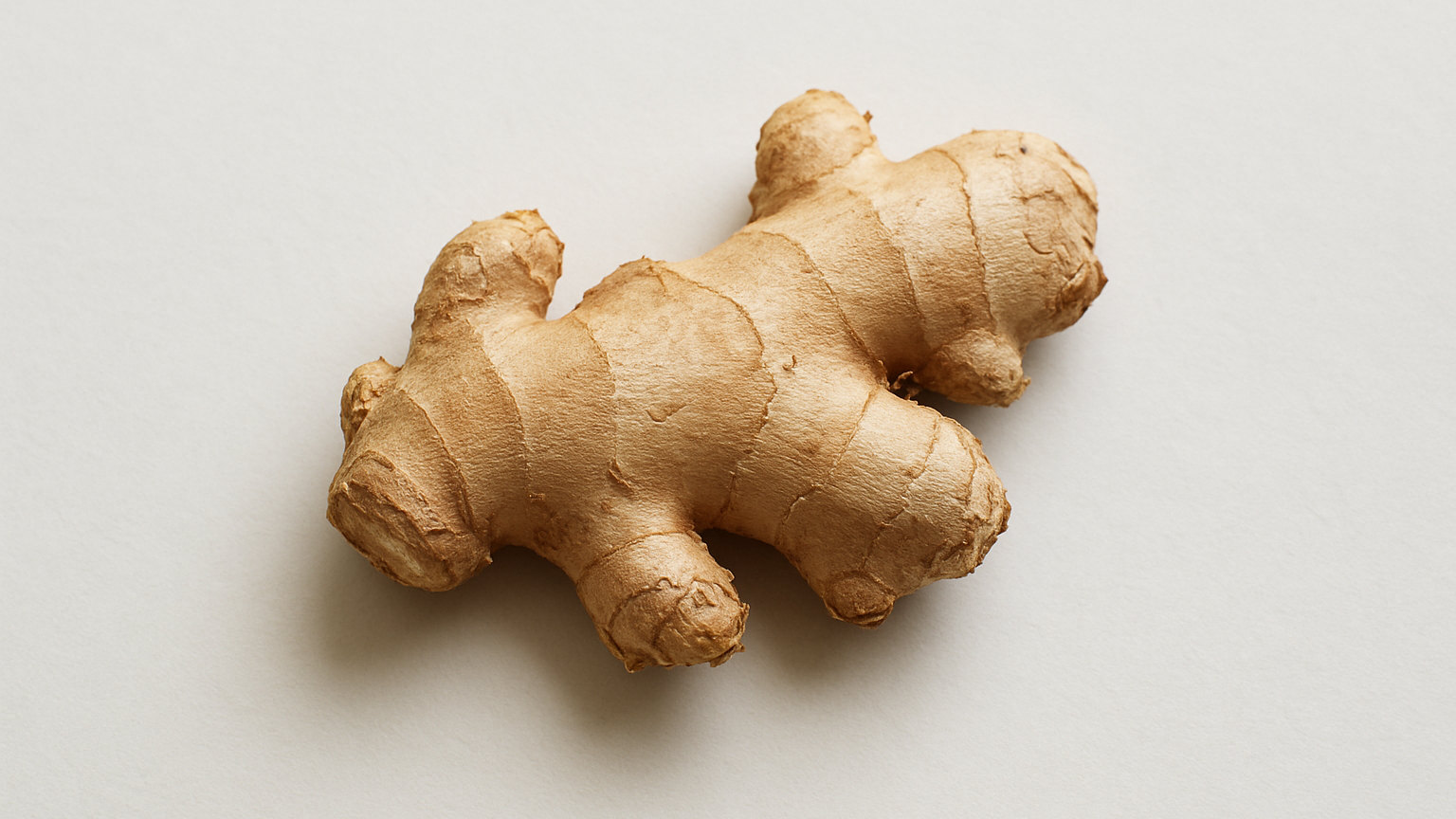
Ginger is taken for nausea and for joint pain. The nausea evidence is among the strongest for any herbal supplement.
Gotu kola is taken for skin, scars and circulation. It has more evidence for veins and wound healing than for the cognitive claims attached to it.
Slippery elm is taken for sore throats, reflux and gut irritation. It works by forming a gel, and the evidence behind it is minimal.
Independent testing has found detectable lead and cadmium in many products. Plants concentrate what is in the soil, and drying concentrates it further.
Some strains help and others make it worse, which is why people report such different experiences. The initial adjustment period causes confusion too.
Cases of liver injury linked to turmeric supplements have been reported internationally, with enhanced absorption products featuring prominently.
Peppermint oil is taken for irritable bowel syndrome and has genuine supporting evidence. The capsules need to be enteric coated to work properly.
Two branded ashwagandha extracts differing in plant part, withanolide content and effect profile. Most published trials used one or the other.
Nail evidence is limited to a few small studies with promising results. Hair evidence is weaker still, and hair is made of keratin rather than collagen.