Most supplement combinations are marketing. This one is not, and understanding why explains a good deal about how collagen is made.
What does vitamin C do?
It is a required cofactor for two enzymes, prolyl hydroxylase and lysyl hydroxylase, which add hydroxyl groups to proline and lysine residues in newly formed collagen chains.
Without that hydroxylation the triple helix is unstable and the collagen produced is defective and rapidly degraded.
This is the mechanism behind scurvy, where vitamin C deficiency causes bleeding gums, poor wound healing, joint pain and skin fragility.
Does that mean you need a supplement?
Only if your vitamin C intake is inadequate, which is uncommon in the UK.
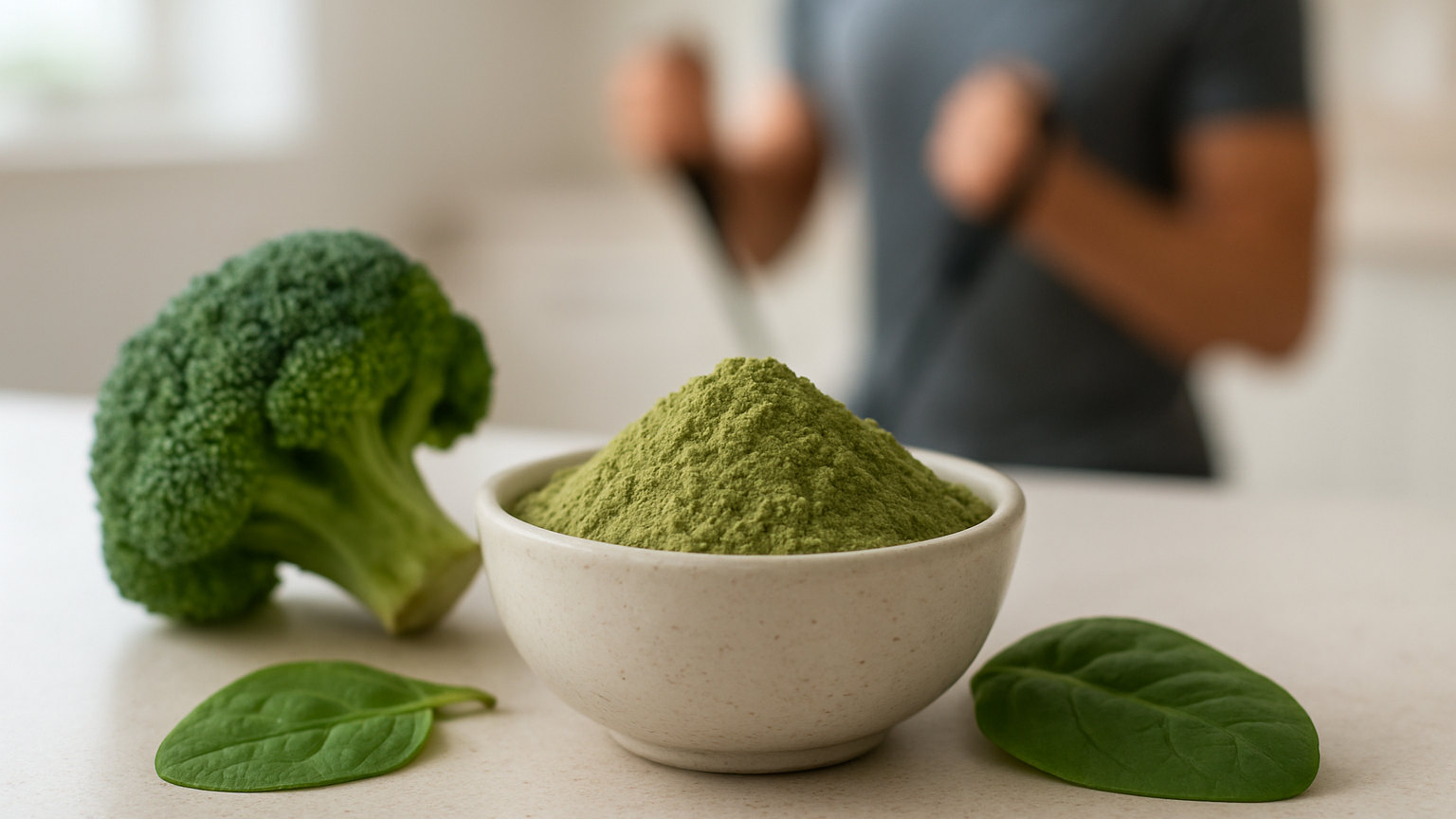
The UK reference nutrient intake is 40 milligrams daily, easily met by a single orange, a portion of peppers or a serving of broccoli.
Someone eating any fruit and vegetables regularly is unlikely to be limited by vitamin C.
Does extra vitamin C increase collagen production?
Not beyond what adequacy provides. Enzyme cofactors work at saturation, so additional vitamin C does not drive the reaction faster once requirements are met.
This is a common misunderstanding, and it applies to most vitamins acting as cofactors.
Why do products combine them?
Partly because the biochemistry is genuine and easy to explain, and partly because it allows a permitted health claim on the label.
Vitamin C is authorised to be described as contributing to normal collagen formation, which collagen itself is not permitted to claim.
That regulatory detail explains why so many collagen products contain vitamin C.
Where does the tendon research fit?
Studies examining collagen or gelatin with vitamin C before targeted exercise have reported increased markers of collagen synthesis.
In that specific context the vitamin C is part of the studied protocol, so including it makes sense.
How much do you need?
- UK reference intake is 40 milligrams daily for adults
- Smokers have higher requirements
- Doses above around 200 milligrams daily produce diminishing absorption
- Above 1000 milligrams daily can cause stomach upset and diarrhoea
What is the practical answer?
Ensure adequate vitamin C through food, which most people already achieve. A combined product does no harm and is not necessary if you eat fruit and vegetables.
What is the summary?
A genuine biochemical requirement rather than a marketing pairing, and one most people already meet through diet without needing it in the same tub.
This article is general information and not medical advice.
Does the form of vitamin C matter?
Not meaningfully. Ascorbic acid, sodium ascorbate and other forms all supply vitamin C, and buffered forms may be gentler on the stomach.
Products marketing liposomal or specialised forms at a premium have limited evidence of practical advantage.
What else is involved in collagen synthesis?
Copper is required for the enzyme that cross links collagen fibres, and zinc is involved in several related processes.
Both are supplied adequately by ordinary diets, and supplementing copper unnecessarily is not advisable given its narrow safe range.
What is the summary?
A genuine biochemical requirement rather than a marketing pairing, and one that most people already meet through ordinary food.
Combined products do no harm and are not necessary if you eat fruit and vegetables regularly.
Can you get too much?
Vitamin C above around 1000 milligrams daily commonly causes stomach upset and diarrhoea, and very high intakes may increase kidney stone risk in susceptible people.
Doses in collagen products are usually modest and worth totalling alongside anything else you take.
Is deficiency really rare?
In the UK, yes, though it does occur in people with very restricted diets, heavy alcohol use or certain medical conditions.
Scurvy is still diagnosed occasionally and is easily treated once identified.
Where does vitamin C come from?
Peppers, citrus fruit, blackcurrants, broccoli, Brussels sprouts, strawberries and potatoes all contribute meaningfully.
It is heat sensitive and water soluble, so raw or lightly cooked sources retain more.
Smokers have higher vitamin C requirements, with guidance generally suggesting an additional amount above the standard reference intake.