Ginger is one of the few herbal supplements where a specific use has consistent supporting evidence across multiple contexts.
What is ginger?
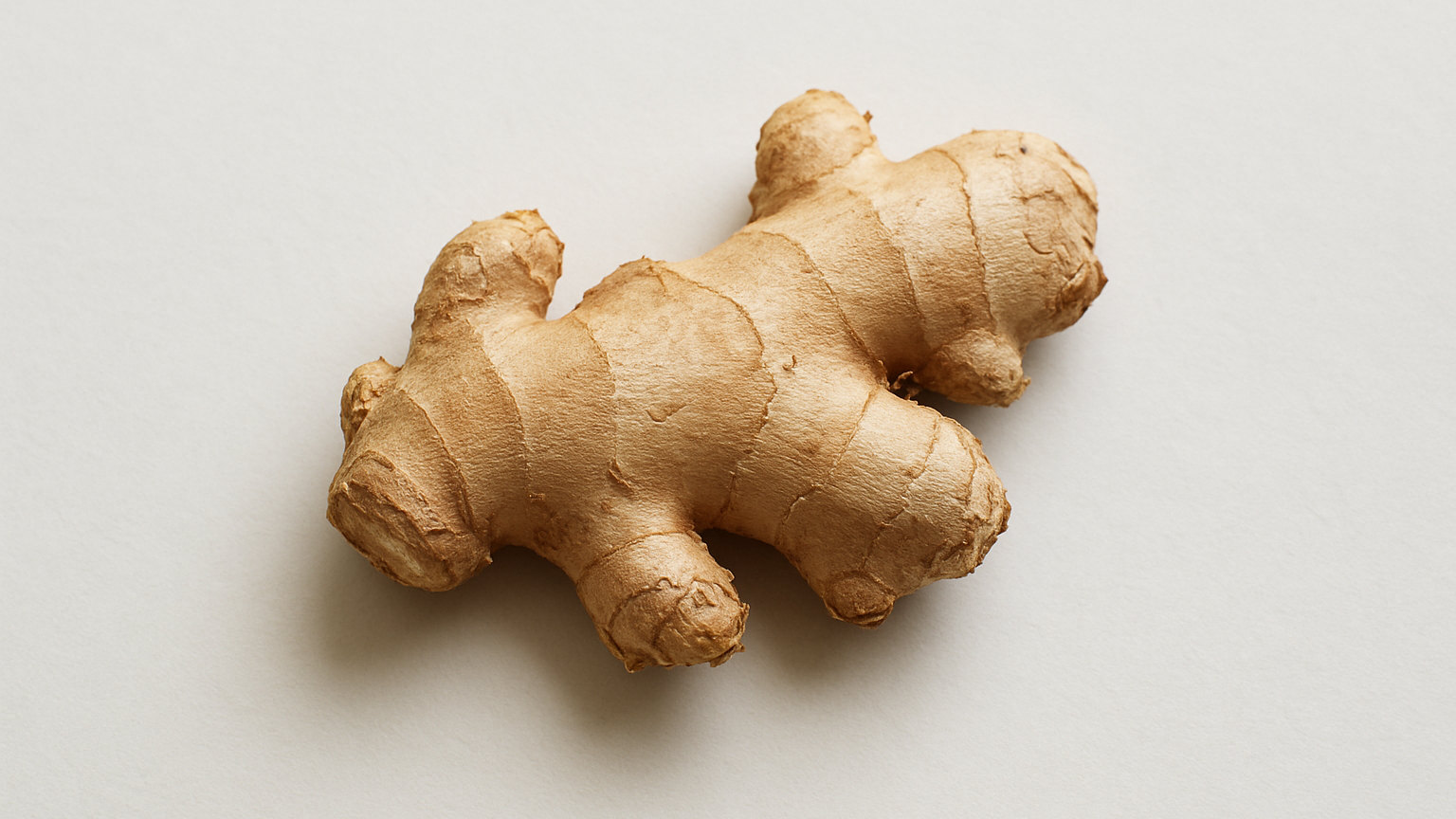
The rhizome of Zingiber officinale, used as a spice worldwide and as a medicine across several traditions.
The active compounds are gingerols and shogaols, with the balance shifting when ginger is dried or heated.
What do people take it for?
Nausea, including morning sickness, motion sickness and nausea after surgery or during chemotherapy.
Osteoarthritis and joint pain.
Digestion and bloating, reflecting long traditional use.
What does the nausea research show?
Trials of ginger for nausea in pregnancy have generally reported improvements compared with placebo.
Evidence in motion sickness and post-operative nausea has been more mixed, with several favourable findings.
Chemotherapy related nausea research has produced inconsistent results.
Overall the nausea evidence is among the strongest for any herbal supplement.
Is it suitable in pregnancy?
Ginger is widely regarded as acceptable for nausea in pregnancy at modest doses, and it appears in guidance on managing morning sickness.
Anyone using it should mention it to their midwife, and severe or persistent vomiting needs medical assessment rather than self management.
What about joint pain?
Trials in knee osteoarthritis have reported modest reductions in pain compared with placebo.
Effects are smaller than those of anti-inflammatory medication and comparable to other herbal options.
What dose is used?
Nausea trials have commonly used around one gram of ginger daily, split into doses.
Joint pain research has used varying amounts of standardised extract.
Does ginger tea work?
Fresh ginger tea supplies a variable amount depending on how much root is used and how long it steeps.
Capsules provide a more consistent dose, which matters when comparing against trial amounts.
What are the cautions?
- Mild effects on bleeding, relevant alongside anticoagulants
- Heartburn, which some people experience
- Possible blood glucose lowering
- Stopping before surgery, as with other supplements affecting platelets
How does it compare with turmeric?
Both are rhizomes with anti-inflammatory reputations, and turmeric has the larger joint pain literature.
Ginger has the stronger evidence for nausea, which turmeric does not share.
Is it worth taking?
For nausea, ginger is among the better supported herbal options and is cheap and widely available.
For joint pain the case is more modest and sits alongside exercise rather than replacing it.
What is the summary?
Ginger is taken for nausea and joint pain, with the nausea evidence unusually good for a herbal supplement, and a mild bleeding caution.
This article is general information and not medical advice.
What should you check on a label?
The amount of ginger per capsule and whether it is powdered rhizome or standardised extract.
Trial doses are easy to match with ordinary ginger capsules.
What does it illustrate?
That a common kitchen ingredient can have genuine evidence for a specific and narrow use.
Ginger for nausea is among the better examples in this whole guide.
What about motion sickness?
Ginger has been studied for motion sickness with mixed results, and some trials found it comparable to standard remedies.
Licensed travel sickness medicines are widely available and better established.
A pharmacist can advise on those.
Who should be careful?
Anyone on anticoagulants, anyone with gallstones, and anyone due for surgery.
People prone to heartburn frequently find ginger supplements uncomfortable.
Taking it with food helps.
What about the pregnancy dose?
Guidance on morning sickness generally mentions ginger at modest amounts rather than concentrated extracts.
Anyone using it should tell their midwife.
Severe vomiting in pregnancy needs medical assessment rather than self management.
What is the honest position?
Good evidence for nausea, modest evidence for joint pain, cheap, widely available and generally well tolerated.
Ginger is among the better herbal options covered in this guide.
Ginger capsules make matching a trial dose considerably more straightforward.
Fresh ginger tea supplies a variable and generally much smaller amount.
Anyone pregnant should discuss ginger with their midwife before starting to take it.