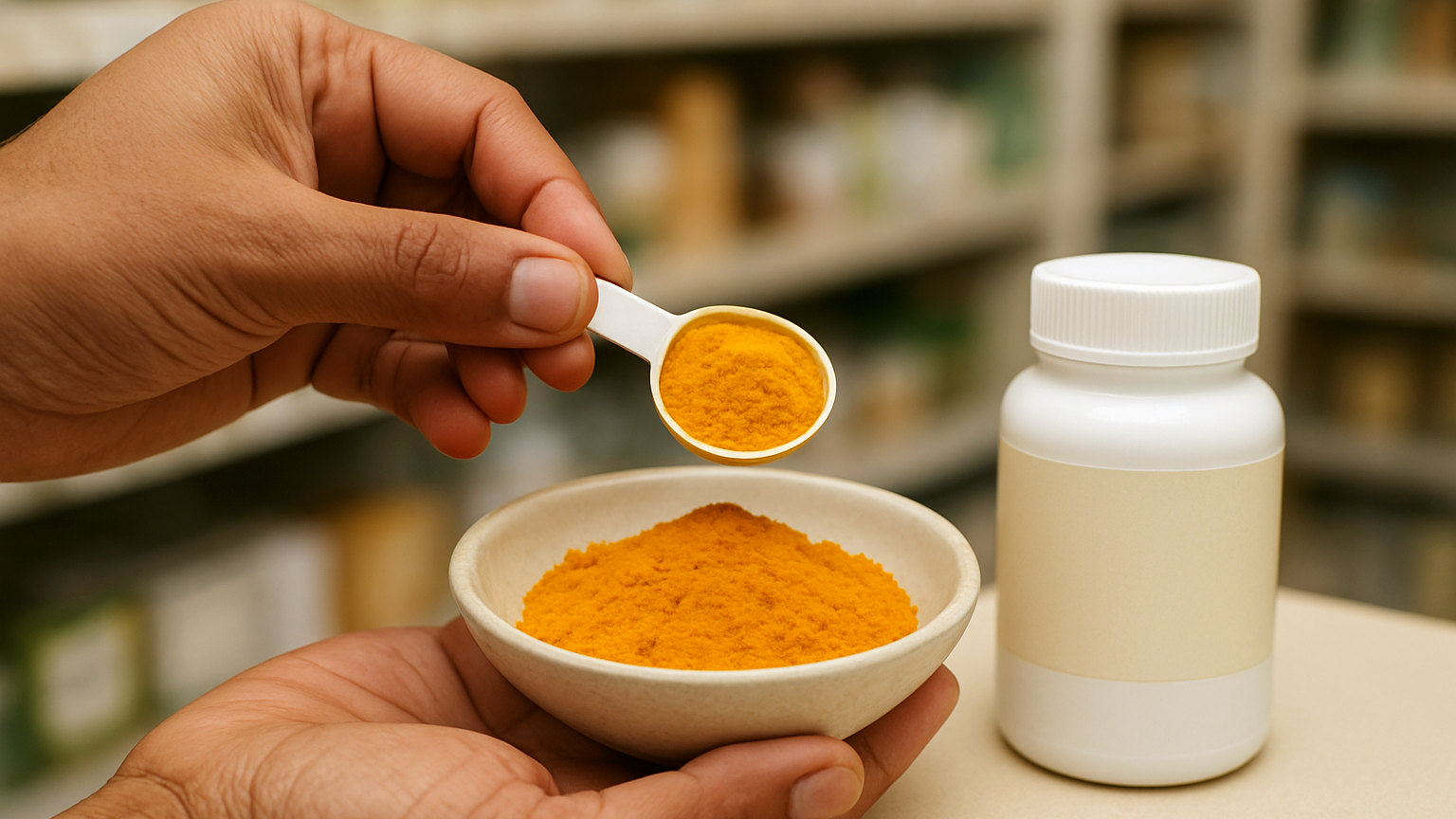
Turmeric has a long history of safe culinary use, which has led to an assumption that supplements are equally benign. A growing number of liver injury reports has complicated that assumption.
What has been reported?
Cases of drug induced liver injury associated with turmeric or curcumin supplements have been reported in several countries, including a notable cluster in Italy.
European and UK food safety bodies have reviewed the reports, and turmeric has appeared in national registries of supplement associated liver injury.
Presentations have included jaundice, raised liver enzymes and, in a small number of cases, serious liver failure.
How common is it?
Rare relative to how many people take these products, which is important context.
It is also a genuine signal rather than a theoretical concern, and it has prompted regulatory attention in multiple jurisdictions.
What might explain it?
Several possibilities have been proposed and none is confirmed.
Enhanced bioavailability formulations, including those containing piperine, appear disproportionately in the reports, which suggests higher systemic exposure may matter.
Genetic susceptibility has been implicated, with a particular immune system gene variant identified in some affected patients.
Contamination or adulteration of some products with other substances has also been raised as a possible contributor.
What are the warning signs?
- Yellowing of the skin or eyes
- Dark urine or pale stools
- Persistent nausea, vomiting or loss of appetite
- Unexplained fatigue
- Pain in the upper right abdomen
- Itching without a rash
Anyone developing these while taking a turmeric supplement should stop it and see a GP promptly, mentioning the supplement.
Who should be more careful?
People with existing liver disease, those taking other medicines affecting the liver, anyone who drinks heavily, and people taking high dose or enhanced absorption products.
Anyone taking multiple supplements should consider that liver injury from supplements is not uncommon as a category.
Does this apply to cooking?
No. The reports involve concentrated supplements, and culinary turmeric use has not been associated with liver injury.
What should you do?
Use the lowest effective dose, avoid stacking multiple turmeric products, tell your GP what you take, and report suspected reactions through the MHRA Yellow Card scheme.
Yellow Card reporting is how these signals are identified, and anyone can submit a report.
What is the summary?
A rare but real signal, concentrated in supplements rather than food, with enhanced absorption products overrepresented. Worth knowing rather than panicking about.
This article is general information and not medical advice.
How would it be diagnosed?
Through blood tests measuring liver enzymes, alongside exclusion of other causes including viral hepatitis, alcohol and medicines.
Supplement associated liver injury is often diagnosed by exclusion, which is one reason telling clinicians what you take matters.
Does it resolve?
In most reported cases liver function recovered after stopping the supplement, though recovery took weeks to months.
A small number of cases have been severe, which is why the warning signs are worth recognising early.
What is the summary?
A rare but genuine signal, concentrated in supplements rather than food, with enhanced absorption products appearing disproportionately in reports.
Know the warning signs, use the lowest effective dose, and tell your GP what you take.
Should this stop you taking it?
Not necessarily, and it should inform how you take it. Lower doses, no stacking, and awareness of the symptoms are proportionate responses.
Anyone with existing liver problems has a stronger reason to avoid it altogether.
How does it compare with other supplements?
Herbal supplements as a category feature prominently in registries of drug induced liver injury, alongside bodybuilding products.
Turmeric is not unusual in that respect, which is a reason for general caution rather than for singling it out.
What is the practical advice?
Use the lowest dose that seems useful, avoid taking several turmeric containing products at once, and stop and seek advice if any warning sign appears.
Reporting suspected reactions helps identify problems that individual cases cannot.
Anyone taking several supplements should consider the combined load on the liver rather than assessing each in isolation.