What Actually Works for Weight Management?
Sustained changes you can maintain, adequate protein, physical activity and behavioural support. For some people, prescribed treatment through the NHS.
These are the supplements you have seen advertised, and they are where the gap between the claim and the evidence is widest. A few hold up better than their reputation suggests. Several are sold on studies that do not say what the label implies. Some have nothing behind them at all beyond a good-looking tub. We say which, and show our working.
Sustained changes you can maintain, adequate protein, physical activity and behavioural support. For some people, prescribed treatment through the NHS.
Collagen has better trial evidence than sceptics assume for skin and joints, and most of it is industry funded. The effects are modest and the funding matters.
No evidence establishes a need to cycle, and the absence of long term trials is a reasonable argument for periodic breaks rather than indefinite use.
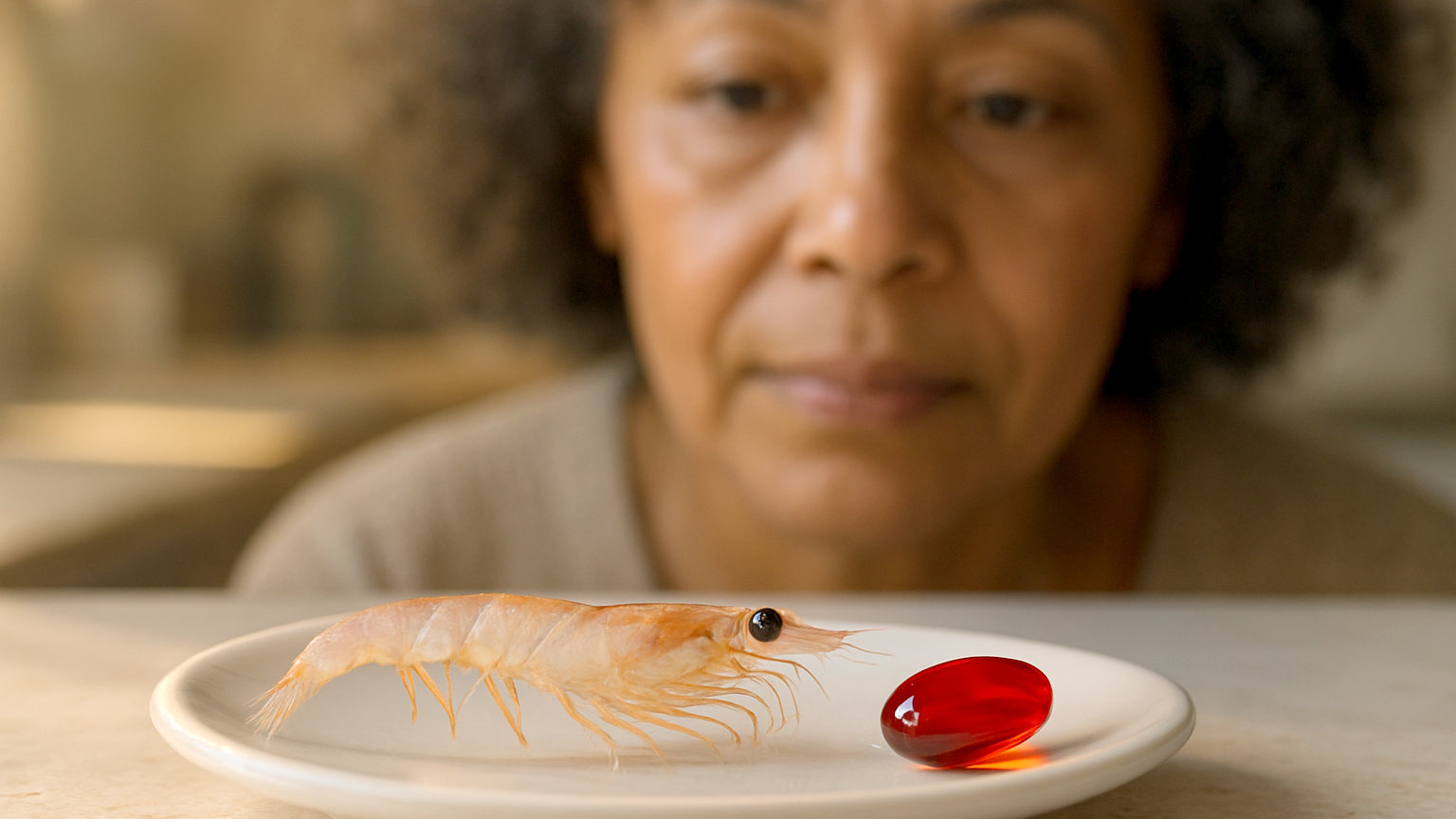
Krill delivers omega 3 in phospholipid form, which may absorb somewhat better. It also supplies far less EPA and DHA per capsule at a much higher price.
They are regulated as food, meaning no approval of contents or claims before sale. Enforcement is reactive, which shapes the entire category.
Generally not advised, because of untested herbal ingredients, variable iodine, contamination risk and vitamin A in some formulations.
Meta-analyses report modest reductions in depressive symptoms across small trials. It is an area of genuine interest rather than an established treatment.
Reviews suggest a modest reduction in respiratory infections, though the effects are small and strain dependent. It is not a shield against colds.
This is the most interesting research area, involving gelatin with vitamin C taken before targeted loading. The findings are early and mechanistically promising.
They have mild effects on platelet function, and the bleeding risk has been substantially overstated. Surgical guidance has relaxed accordingly.
It has genuine effects on blood glucose and lipids, and comparisons to prescribed weight loss medication are not remotely justified.
Trials ran for eight to twelve weeks, with 60 days a common protocol. Some people notice sedation within days, which is not the same as the studied effect.