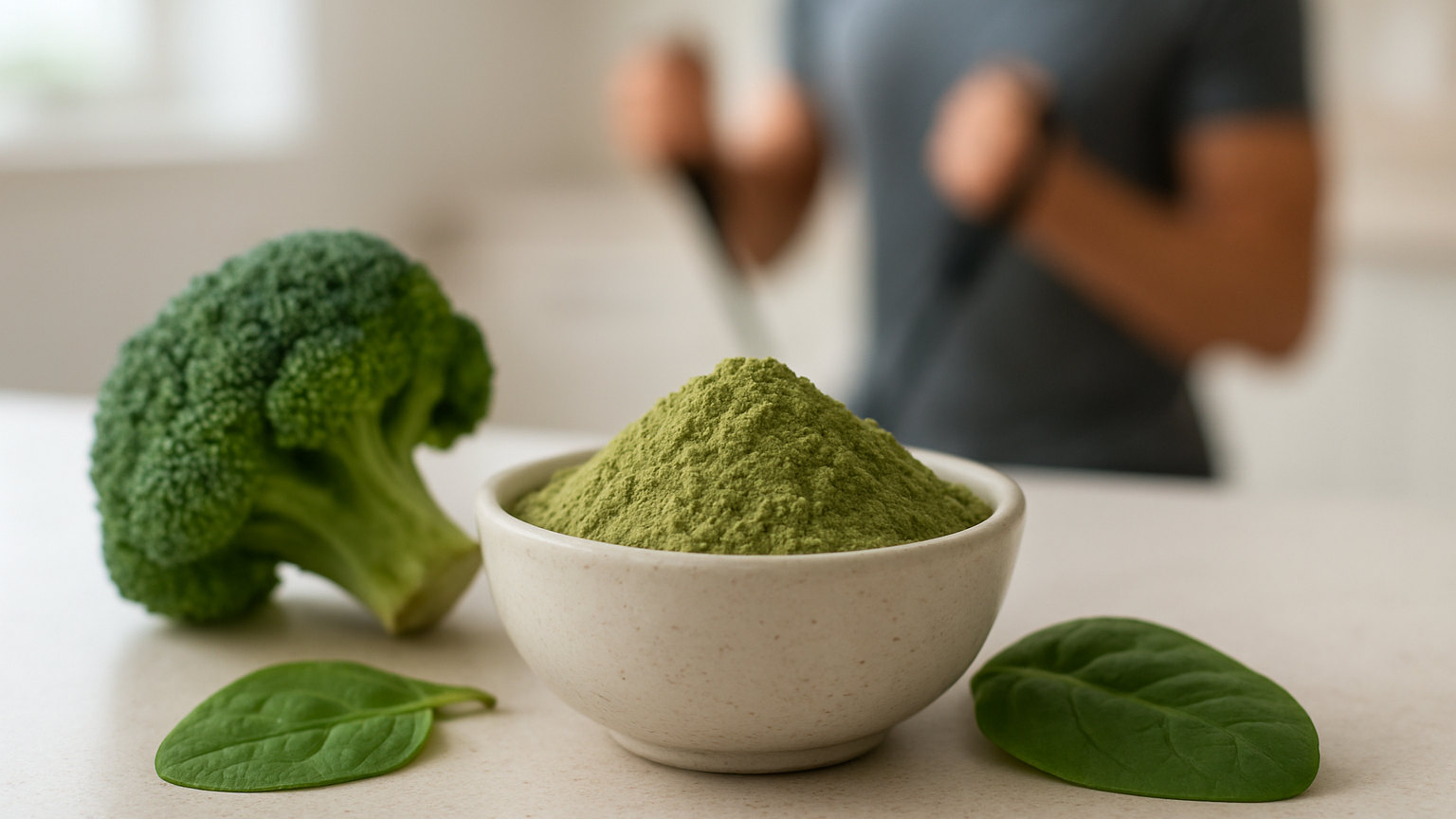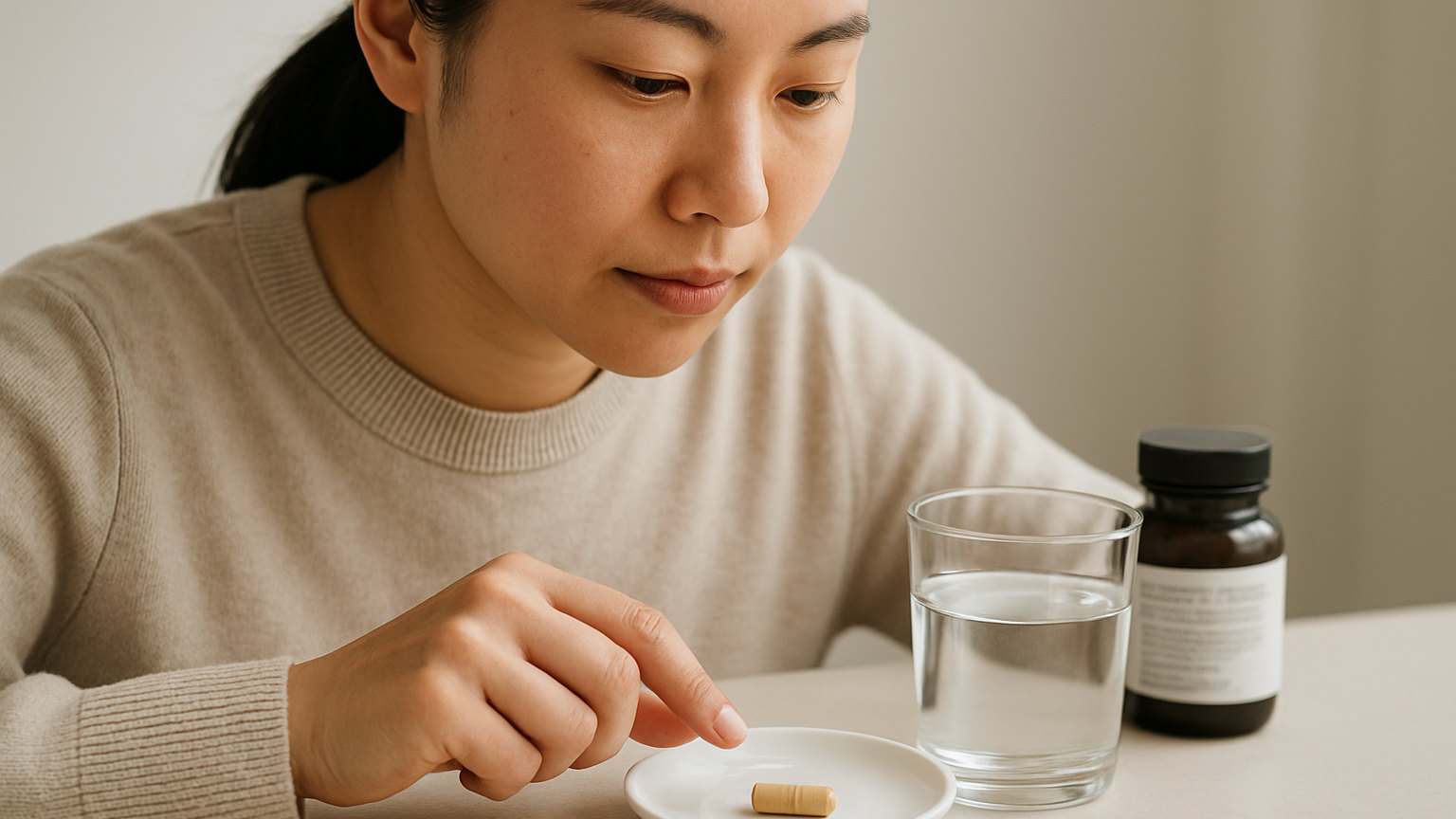
Tendon and ligament research is the most scientifically interesting area of collagen supplementation, partly because it involves a specific protocol rather than simply taking a powder.
What is different about tendons?
Tendons and ligaments are largely collagen and have poor blood supply, which makes them slow to heal and prone to persistent problems.
They also respond to mechanical loading, with collagen synthesis increasing after exercise that stresses the tissue.
The proposal is to supply collagen building material at the moment loading stimulates synthesis, which is why timing matters here and not elsewhere.
What did the research find?
A study gave participants gelatin with vitamin C an hour before a short bout of jump rope, and measured markers of collagen synthesis in blood afterwards.
The gelatin groups showed increased markers compared with placebo, with a dose response between lower and higher amounts.
Related work has examined engineered ligament tissue in the laboratory, finding improved mechanical properties with collagen peptide exposure.
Why the hour beforehand?
Because collagen derived peptides peak in blood roughly an hour after ingestion, and the exercise stimulus increases blood flow and synthesis shortly afterwards.
The timing aims to align peak availability with peak synthetic activity in the tissue.
What is the protocol?
- Around 15 grams of gelatin or hydrolysed collagen
- Approximately 50 milligrams of vitamin C
- Taken about an hour before targeted exercise
- Followed by short bouts of loading specific to the tissue
- Repeated several times daily in some protocols
How strong is the evidence?
The mechanistic findings are interesting and the clinical evidence is limited.
Studies have largely measured blood markers of collagen synthesis rather than tendon healing, pain or function over time.
Whether this translates into faster recovery from tendon injury has not been demonstrated in adequately sized trials.
Who might it interest?
Athletes with tendon problems, people in rehabilitation from connective tissue injury, and those in sports with high tendon loading.
It should complement rather than replace loading based rehabilitation, which is the established treatment for most tendon problems.
What is the established treatment?
Progressive loading exercise, usually guided by a physiotherapist, with eccentric and heavy slow resistance protocols having good evidence for tendinopathy.
Rest alone generally does not resolve tendon problems and may worsen outcomes.
What is the summary?
Genuinely promising mechanistic research with a specific timing protocol, and clinical evidence that has not yet caught up. Loading remains the treatment.
This article is general information and not medical advice.
Does it help injury recovery?
Some research has examined collagen supplementation during rehabilitation, and the outcome data is limited compared with the mechanistic work.
Anyone recovering from a tendon or ligament injury should follow a physiotherapist led programme, with any supplement as an addition rather than an alternative.
Does it prevent injury?
This has not been demonstrated. Preventing tendon problems depends far more on training load management and gradual progression.
Sudden increases in volume or intensity are the most common precipitant of tendinopathy.
What is the summary?
The most mechanistically interesting collagen research, involving gelatin with vitamin C an hour before targeted loading, with clinical evidence still to catch up.
Progressive loading remains the established treatment for tendon problems.
Who has studied this?
The research comes largely from sports science groups examining connective tissue adaptation, rather than from supplement manufacturers.
That independence is a point in its favour compared with much of the collagen literature.
What does loading actually mean?
Progressively challenging the tendon through resistance exercise, often with slow controlled movement, guided by symptoms rather than avoided because of them.
A physiotherapist can design this for the specific tendon involved, which matters since protocols differ by site.
Anyone with persistent tendon pain should be assessed rather than self managing, since diagnosis affects which loading protocol is appropriate.
Is it worth trying?
For someone already doing appropriate loading rehabilitation, adding gelatin with vitamin C beforehand is low cost and low risk.
It should be framed as a possible addition rather than as a treatment in its own right.