Vitamin C increases iron absorption substantially, and this is one of the few supplement timing rules with genuinely strong evidence behind it. The effect applies to iron from plants and from supplements, and not to iron from meat, which is already absorbed by a different route.
Why do the two forms of iron behave differently?
Dietary iron comes in two forms. Haem iron, found in meat, fish and poultry, is absorbed through a dedicated pathway that is relatively efficient and largely unaffected by what else is in the meal.
Non haem iron, found in beans, lentils, spinach, fortified cereals, nuts and in almost all iron supplements, is absorbed far less efficiently and is heavily influenced by other components of the meal. This is where vitamin C matters.
Non haem iron is mostly present as ferric iron, which the gut absorbs poorly. Vitamin C reduces it to the ferrous form, which is absorbed much more readily, and it also binds iron in a soluble complex that keeps it available.
How large is the effect?
Absorption studies have found that adding vitamin C to a meal can increase non haem iron uptake severalfold, with the size of the effect depending on the dose and on what else is present.
Roughly 25mg to 50mg of vitamin C alongside a meal produces a substantial improvement, and higher amounts add more up to a point. The effect is proportionally greatest in meals containing strong absorption inhibitors.
The vitamin C has to be present at the same time as the iron. Taking it hours apart achieves nothing for this purpose, because the chemistry happens in the intestine during digestion.
What blocks iron absorption?
- Tannins in tea and coffee, which are among the most potent inhibitors
- Calcium, from dairy or from supplements, which interferes with both forms of iron
- Phytates in wholegrains, legumes, nuts and seeds
- Polyphenols in some vegetables, red wine and cocoa
- Certain medicines, including proton pump inhibitors and antacids
A cup of tea with a meal can cut non haem iron absorption dramatically, and it is one of the most common reasons an otherwise reasonable iron intake fails to translate into iron status. Moving tea and coffee to an hour or more away from meals is a small change with a real effect.
How should you use this in practice?
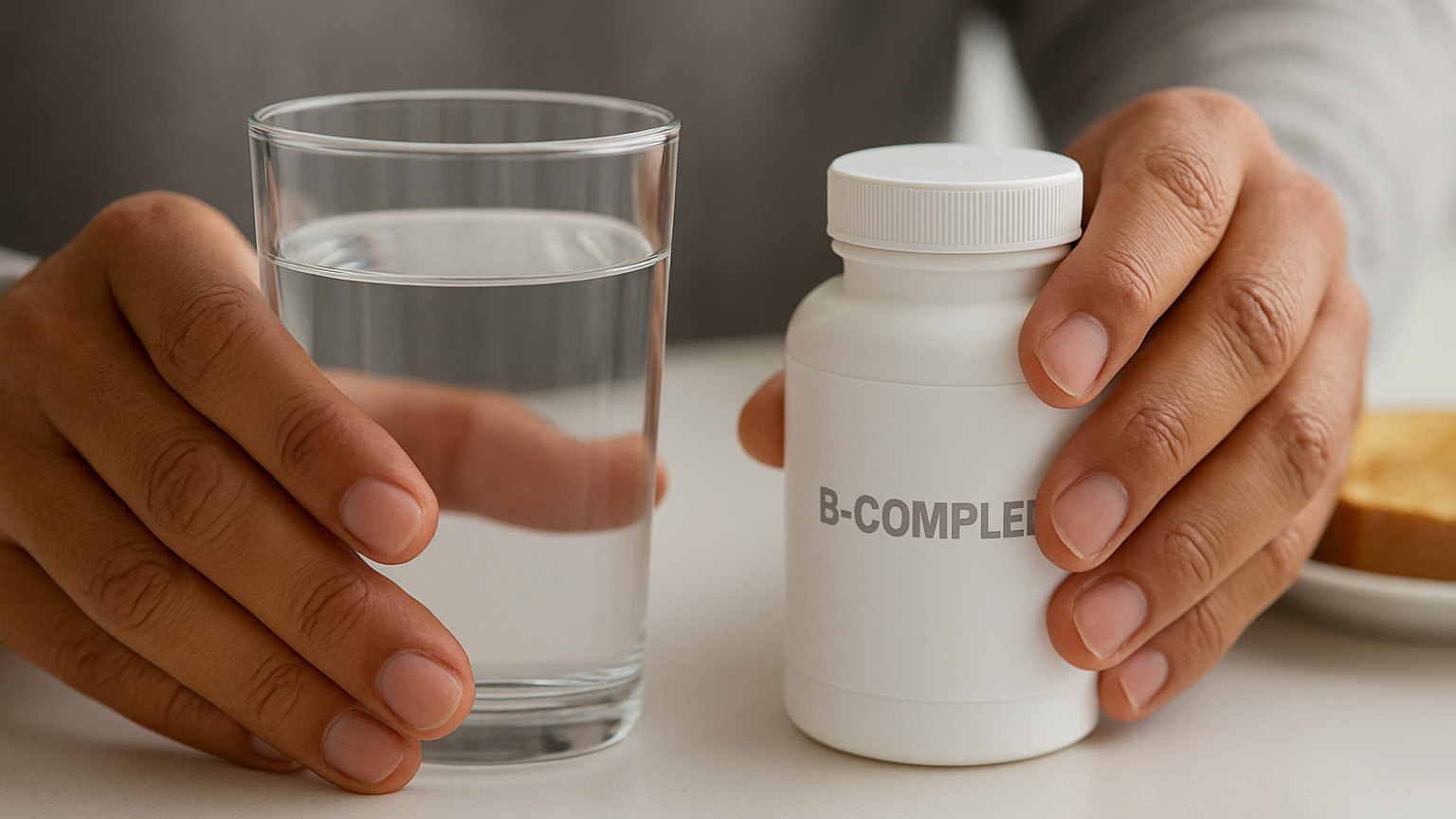
If you take an iron supplement, taking it with a glass of orange juice or a vitamin C tablet improves absorption. Avoid taking it with tea, coffee, milk or a calcium supplement.
If you eat little or no meat, pairing plant iron sources with vitamin C rich foods at the same meal is worth doing routinely. Beans with peppers and tomatoes, lentils with a squeeze of lemon, or fortified cereal with strawberries all work.
Iron supplements are often better tolerated and reasonably well absorbed when taken every other day rather than daily, because daily dosing raises a hormone called hepcidin that suppresses absorption of the next dose. That is worth raising with a GP if you are struggling with side effects.
Who should not be trying to increase iron absorption?
Anyone with haemochromatosis or another iron overload condition, where the body already absorbs too much iron and accumulates it in the liver, heart and pancreas. In that situation high dose vitamin C is specifically unhelpful.
People having repeated blood transfusions may also be at risk of iron overload and should follow medical advice rather than general guidance.
More broadly, iron supplements should not be taken without knowing you need them. Excess iron is not benign, and unexplained iron deficiency in an adult needs investigating rather than simply correcting, since it can be the first sign of something requiring treatment.
Should you test first?
Yes. A blood test measuring ferritin alongside a full blood count establishes whether iron is actually the issue, and it is available through a GP.
Symptoms attributed to low iron, including fatigue, breathlessness and poor concentration, overlap with many other conditions. Treating without testing risks both missing the real cause and taking iron you do not need.
This article is general information and not medical advice. Speak to a GP before starting iron supplements.