For vitamin C, the more useful question is not what time of day but how the dose is divided. Absorption saturates, so two smaller doses deliver more usable vitamin C than one large one. Beyond that, timing matters in one specific situation, which is when you want it working alongside iron.
Why does splitting the dose help?
Vitamin C crosses the gut wall using transporter proteins, and those transporters have a limited capacity. Once they are working flat out, additional vitamin C in the intestine simply waits, and much of it passes through.
Absorption is highly efficient at doses around 100mg to 200mg, and efficiency falls progressively above that. By the time a single dose reaches a gram, a substantial proportion is not absorbed at all.
Two 250mg doses therefore beat one 500mg dose. They also keep blood levels steadier, since vitamin C is cleared fairly quickly and a single dose produces a peak followed by a decline.
Does it need to be taken with food?
Vitamin C is water soluble and does not require dietary fat, so it is absorbed perfectly well on an empty stomach. That is what many people do without any difficulty.
The practical reason to take it with food is tolerance. Ascorbic acid is genuinely acidic, and larger doses on an empty stomach cause stomach discomfort or nausea in some people. Taking it with a meal buffers that considerably.
If plain ascorbic acid still causes discomfort, buffered forms such as sodium ascorbate or calcium ascorbate are less acidic and generally gentler, though they cost more and offer no other advantage.
When does timing genuinely matter?
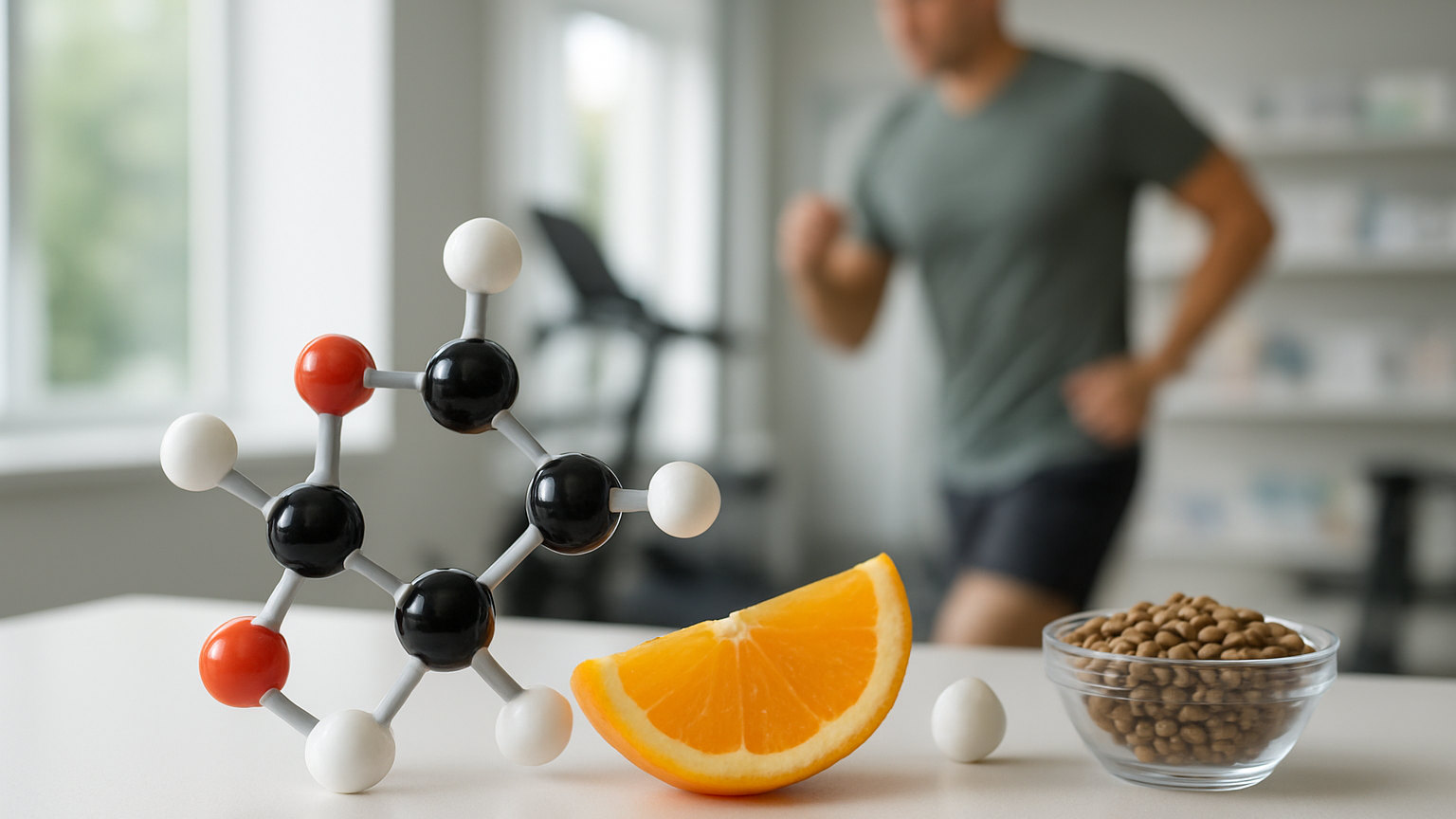
Iron is the clear case. Vitamin C substantially improves absorption of non haem iron, the form found in plant foods and in most iron supplements, by converting it to a form the gut takes up more readily.
For that effect you need the vitamin C and the iron present at the same time. Taking vitamin C with a meal containing beans, lentils, spinach or fortified cereal makes a measurable difference to how much iron you get from it, and the same applies to an iron tablet.
The reverse is worth knowing for anyone with haemochromatosis or another iron overload condition, where increasing iron absorption is exactly what you do not want.
Does taking it at night affect sleep?
There is no established mechanism by which vitamin C would disturb sleep, and no meaningful trial evidence that it does. It is not a stimulant.
Two practical points sometimes get mistaken for one. Effervescent vitamin C tablets often contain caffeine in combination products, so check the ingredients if you take one in the evening. And a large dose that causes stomach upset will disturb sleep for reasons that have nothing to do with vitamin C specifically.
Does it matter around exercise?
This is an interesting case where more may be worse. Exercise generates oxidative stress, and that stress is part of the signal that drives training adaptation.
Some trials of high dose antioxidant supplementation, typically vitamin C at a gram or more combined with vitamin E, have found blunted improvements in endurance markers compared with placebo. The findings are not unanimous and the doses were large.
If you train seriously and want to take vitamin C, keeping the dose modest and taking it away from the training window is a reasonable precaution on limited evidence.
What should you actually do?
- Keep individual doses at 200mg to 500mg rather than taking grams at once
- Split larger daily totals into two doses if you want a higher intake
- Take it with meals if plain tablets upset your stomach
- Take it alongside plant based iron sources or an iron tablet if boosting iron is the goal
- Pick a time you will remember, because consistency outweighs the clock
If you have a history of kidney stones, kidney disease or an iron overload condition, ask a pharmacist before taking regular vitamin C. This article is general information and not medical advice.