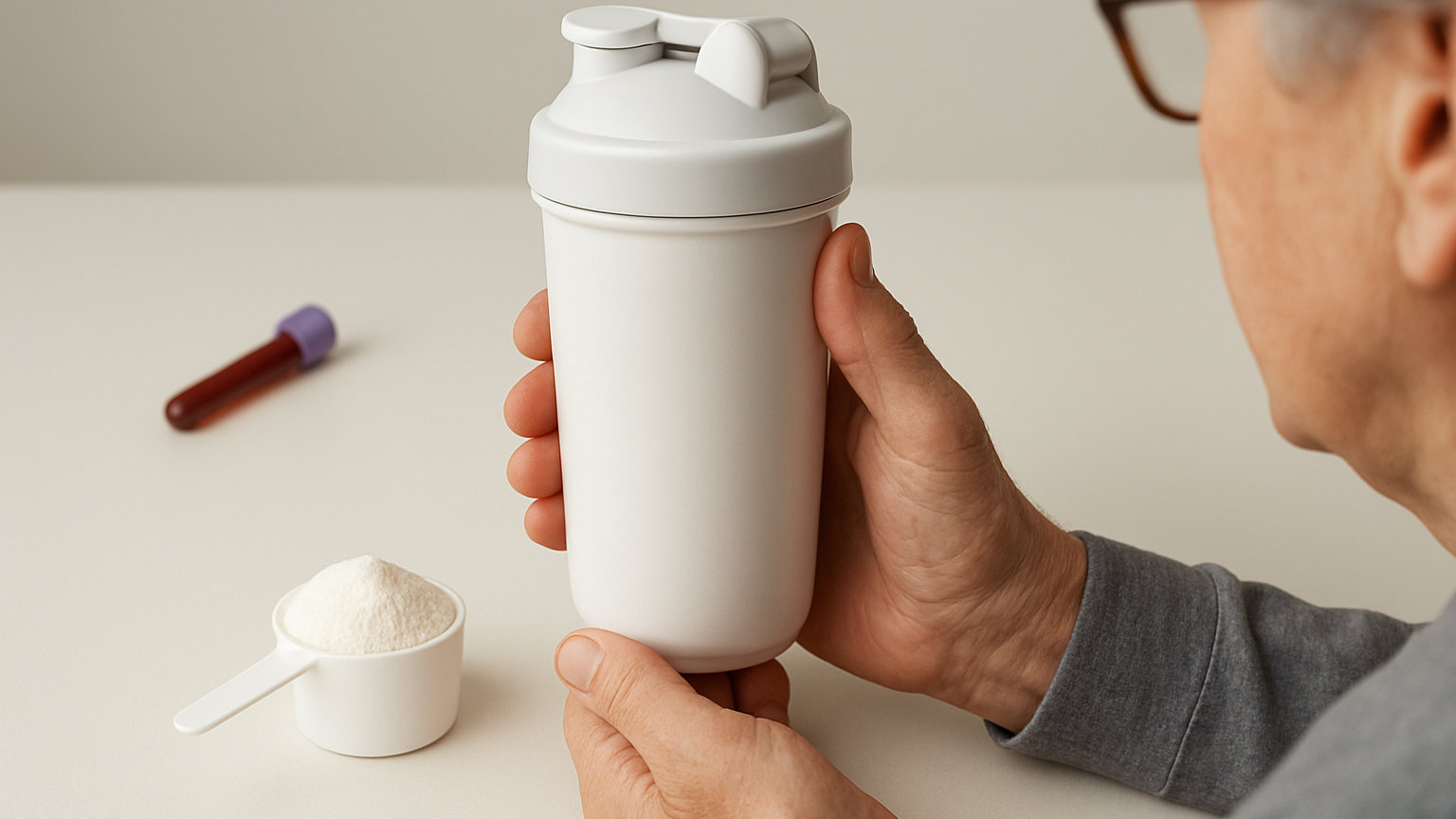
B12 is sold relentlessly as an energy vitamin, and the claim is half right in a way that makes it misleading. Correcting genuine B12 deficiency can produce a striking improvement in fatigue. Taking B12 when you are not deficient does nothing measurable for energy at all.
What does B12 do in energy metabolism?
It acts as a cofactor in two reactions. One converts homocysteine to methionine, which is central to methylation reactions throughout the body. The other converts methylmalonyl-CoA to succinyl-CoA, a step in the pathway that feeds certain fats and amino acids into energy production.
B12 is also essential for producing red blood cells, which carry oxygen. Deficiency causes anaemia, and anaemia causes fatigue and breathlessness because tissues receive less oxygen.
This is the honest basis for the energy claim. B12 is required for processes that release energy from food, and permitted health claims reflect that by referring to contributing to normal energy yielding metabolism.
Why does that not mean extra helps?
Because these are enzymatic processes, and enzymes need a sufficient quantity of a cofactor rather than a large one. Once enough is present the reaction proceeds at its normal rate, and adding more changes nothing.
The comparison often used is a car needing petrol. Running out stops the car. Filling a full tank does not make it faster.
B12 is also not a stimulant. It has no direct effect on alertness or arousal, which is what most people mean when they say energy.
What happens when deficiency is corrected?
The improvement can be substantial and is often described as dramatic by people who experience it. Fatigue lifts, breathlessness settles, mental fog clears and mood frequently improves.
That response is real, and it is a response to correcting a deficiency rather than a property of B12 itself. It also explains why testimonials about B12 and energy are so enthusiastic: the people writing them were genuinely deficient.
Improvement typically takes weeks rather than days, following the timescale of red blood cell replacement, which is roughly how long new cells take to be produced and circulate.
What about B12 injections for energy?
Private clinics offer B12 injections for tiredness in people without a diagnosed deficiency, and there is no good evidence supporting this.
Injections are effective and appropriate treatment for confirmed deficiency, particularly where absorption is impaired. Given to someone with adequate B12, the excess is simply excreted.
There is a further problem. An injection raises serum B12 dramatically for months, so if fatigue turns out to have another cause, the B12 result becomes uninterpretable and any later testing is compromised. That matters if the underlying issue was an absorption problem worth identifying.
What usually causes fatigue instead?
- Iron deficiency, which is far more common and produces very similar symptoms
- Underactive thyroid, easily tested and easily treated
- Poor sleep quality, including sleep apnoea, which is widely underdiagnosed
- Depression and anxiety, both of which commonly present as physical tiredness
- Coeliac disease, diabetes and chronic kidney disease
- Medication side effects, which are often overlooked
A GP assessing fatigue will typically test several of these together in one blood sample, which is a considerable advantage over buying a single supplement and waiting a month to see whether anything changes. It also catches the causes that matter most if missed.
What is the sensible approach?
If you are tired and in a B12 risk group, ask for a test before supplementing. If you are tired and not in a risk group, B12 is an unlikely explanation and other causes deserve looking at first.
If you are vegan or otherwise need B12, take it because you need it rather than because of what it will do for your energy. Around 10 micrograms daily, or 2000 micrograms weekly, is sufficient.
Persistent fatigue lasting more than a few weeks deserves a proper assessment rather than a supplement bought on the strength of a claim about energy metabolism. This article is general information and not medical advice.