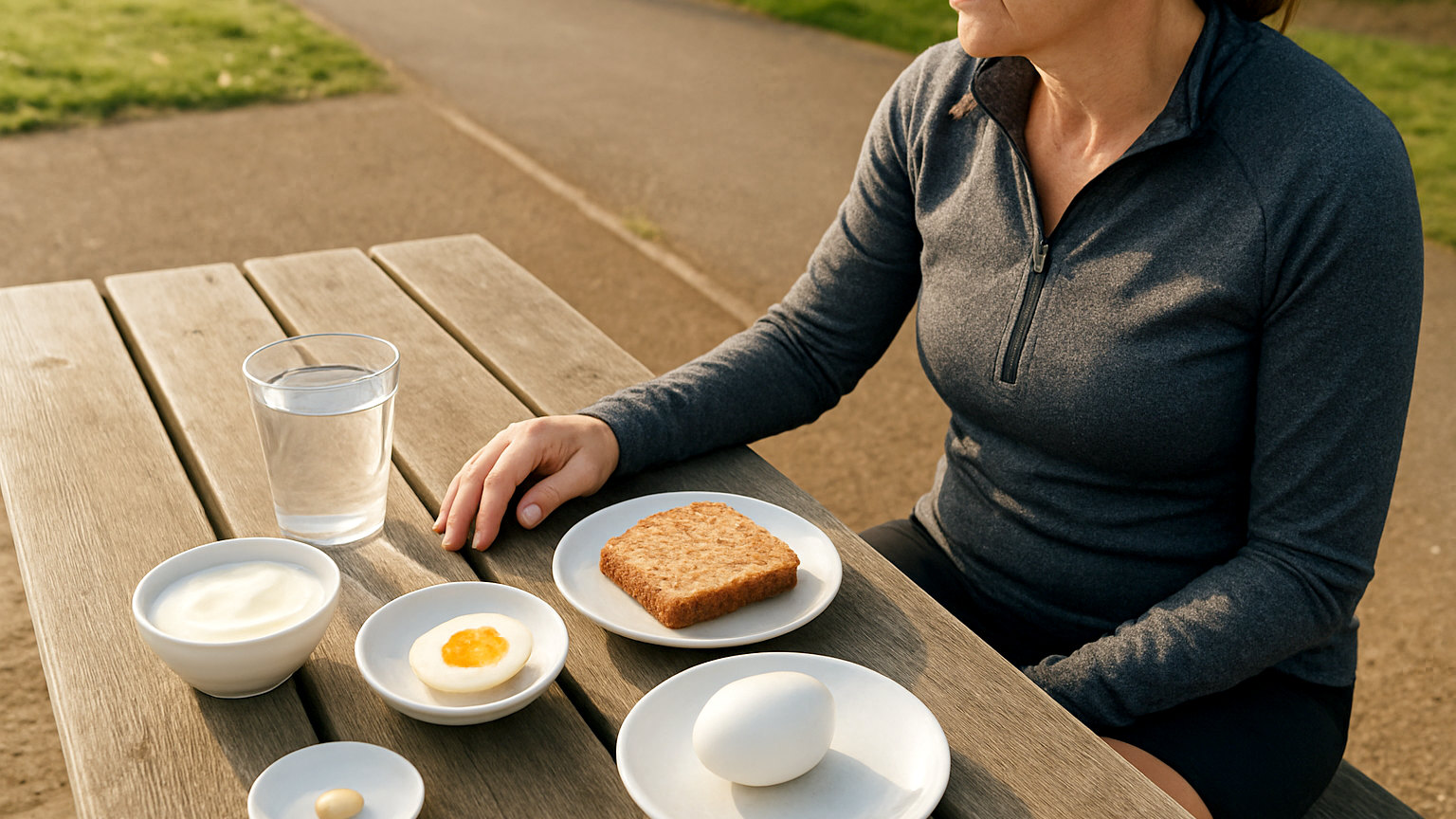
No single food supplies all eight B vitamins in useful amounts, though liver comes closer than anything else. The practical answer for most people is that a varied diet including wholegrains, meat or legumes, eggs or dairy, and vegetables covers the group without any calculation.
Which foods cover the most?
- Liver, which is exceptionally rich in almost every B vitamin
- Wholegrains, supplying thiamine, riboflavin, niacin, B6 and folate
- Meat, poultry and fish, strong for niacin, B6 and B12
- Eggs, supplying riboflavin, biotin, pantothenic acid and B12
- Dairy, particularly good for riboflavin and B12
- Legumes, strong for folate, thiamine and B6
- Leafy greens, the best plant source of folate
- Nuts and seeds, supplying thiamine, niacin, B6 and biotin
Liver is worth a caution as well as a mention. It is very high in vitamin A in retinol form, and pregnant women are advised to avoid it. Eating it more than once a week is generally discouraged for the same reason.
Where does each one concentrate?
Thiamine is highest in pork, wholegrains, legumes and fortified flour. Riboflavin concentrates in dairy, eggs, mushrooms and almonds.
Niacin is highest in meat, fish and poultry, with tryptophan in protein contributing further since the body converts it. B6 is found in poultry, fish, potatoes, bananas and chickpeas.
Folate is highest in leafy greens, legumes, asparagus, broccoli and fortified cereals. B12 occurs almost exclusively in animal foods and fortified products.
Biotin and pantothenic acid are so widespread that listing sources is nearly redundant, which is why deficiency in either is vanishingly rare.
How much does fortification contribute?
More than most people realise. UK law requires white and brown flour to be fortified with thiamine and niacin, alongside iron and calcium. Since bread is eaten widely, this contributes a substantial share of national intake.
Breakfast cereals are commonly fortified with several B vitamins including folic acid and B12, on a voluntary basis. Plant milks and meat substitutes frequently carry added B12 and B2.
Fortification is a significant reason B vitamin deficiency is uncommon in Britain. It is easy to overlook because it is invisible on the plate.
What about nutritional yeast?
Nutritional yeast is often marketed as a B vitamin source and it depends entirely on whether it has been fortified. Yeast naturally contains several B vitamins and no B12.
Fortified versions have B12 added and are a useful source for vegans. Unfortified versions contain none, so check the label rather than assuming.
How much is lost in cooking?
B vitamins are water soluble and several are heat sensitive, so losses can be substantial.
Boiling causes the greatest losses through leaching, particularly for thiamine and folate. Steaming, microwaving and stir frying retain more. Using cooking water in sauces or soups recovers some of what leached out.
Riboflavin is degraded by light, which is why milk in clear bottles loses more than milk in opaque containers. Thiamine is destroyed by prolonged heat and by some food preservatives.
Who might still fall short?
Vegans need B12 from fortified foods or a supplement, since plant foods do not supply it reliably. Anyone eating very little, whether from illness, circumstance or restricted eating, is at risk across several.
People with alcohol dependence, malabsorption conditions or a history of bariatric surgery need specific attention, usually with medical supervision rather than food alone.
Does organ meat deserve its reputation?
Nutritionally, yes. Liver supplies substantial quantities of riboflavin, niacin, B6, folate, B12 and pantothenic acid in a single portion, and it is inexpensive relative to most meat.
The vitamin A content is the constraint. A portion of liver can supply many times the daily reference intake of retinol, which accumulates and has a meaningful upper limit. Pregnant women are advised to avoid it entirely, and general advice is to eat it no more than once a week.
What does a covering day look like?
Fortified cereal with milk at breakfast, a wholegrain sandwich with eggs or chicken at lunch, and a dinner including legumes or meat with leafy greens covers all eight comfortably for most adults, with B12 the only one requiring attention on a plant based version.
For everyone else, variety does the job. This article is general information and not medical advice.