Biotin is the dominant ingredient in hair, skin and nail supplements, and the claim rests on a real observation misapplied to the wrong population. Biotin deficiency causes hair loss and brittle nails. Correcting it fixes them. Almost nobody in the UK is deficient.
What does biotin do?
It is a cofactor for five carboxylase enzymes involved in fatty acid synthesis, glucose production and amino acid breakdown. Fatty acid synthesis matters for skin and hair, which is the basis of the connection.
The UK does not set a reference nutrient intake for biotin, instead suggesting a safe intake in the region of 10 to 200 micrograms a day. Typical dietary intakes fall comfortably within that.
Why is deficiency so rare?
Biotin is widespread in food, appearing in eggs, liver, nuts, seeds, salmon, sweet potato and legumes. Gut bacteria also produce some, though how much is absorbed is uncertain.
Documented deficiency occurs in specific circumstances: biotinidase deficiency, an inherited condition screened for in newborns; long term use of certain anticonvulsants; prolonged intravenous nutrition without biotin; and regular consumption of large quantities of raw egg white.
The raw egg white route is genuinely real. Egg white contains avidin, a protein that binds biotin tightly and prevents absorption. Cooking denatures it, so cooked eggs are a biotin source rather than a threat.
What do the trials actually show?
Reviews examining biotin for hair and nails have found that the supporting studies were almost entirely in people with underlying deficiency or a specific pathology.
The most cited nail research involved people with brittle nail syndrome, where biotin at 2.5mg daily improved nail thickness in a proportion of participants. These were small, uncontrolled studies from several decades ago.
For hair, case reports describe improvement in children with inherited biotin metabolism disorders and in people with documented deficiency. Randomised controlled trials of biotin for hair growth in people with normal biotin status are essentially absent.
That absence is the whole story. A supplement sold to millions has almost no trial evidence in the population buying it.
What does cause hair loss instead?
- Androgenetic alopecia, the most common cause in both men and women
- Telogen effluvium, triggered by illness, surgery, childbirth or severe stress
- Iron deficiency, which is common and worth testing for
- Thyroid disorders, both overactive and underactive
- Rapid weight loss or very restricted eating
- Alopecia areata, an autoimmune condition
Several of these are treatable, and none responds to biotin. Persistent or patchy hair loss is worth seeing a GP about rather than treating with a supplement.
Is there a risk to taking it?
Biotin itself is remarkably non toxic and no upper limit has been established. The significant problem is diagnostic.
High dose biotin interferes with many laboratory immunoassays, which use biotin in their chemistry. This can produce falsely high or falsely low results depending on the test design.
Thyroid function tests can be distorted enough to mimic Graves disease, leading to unnecessary treatment. More seriously, troponin tests used to diagnose heart attacks can read falsely low, and regulators have reported at least one death linked to a missed diagnosis.
Supplements commonly contain 5,000 or 10,000 micrograms, hundreds of times any plausible requirement, which is exactly the range that causes interference.
What should you do?
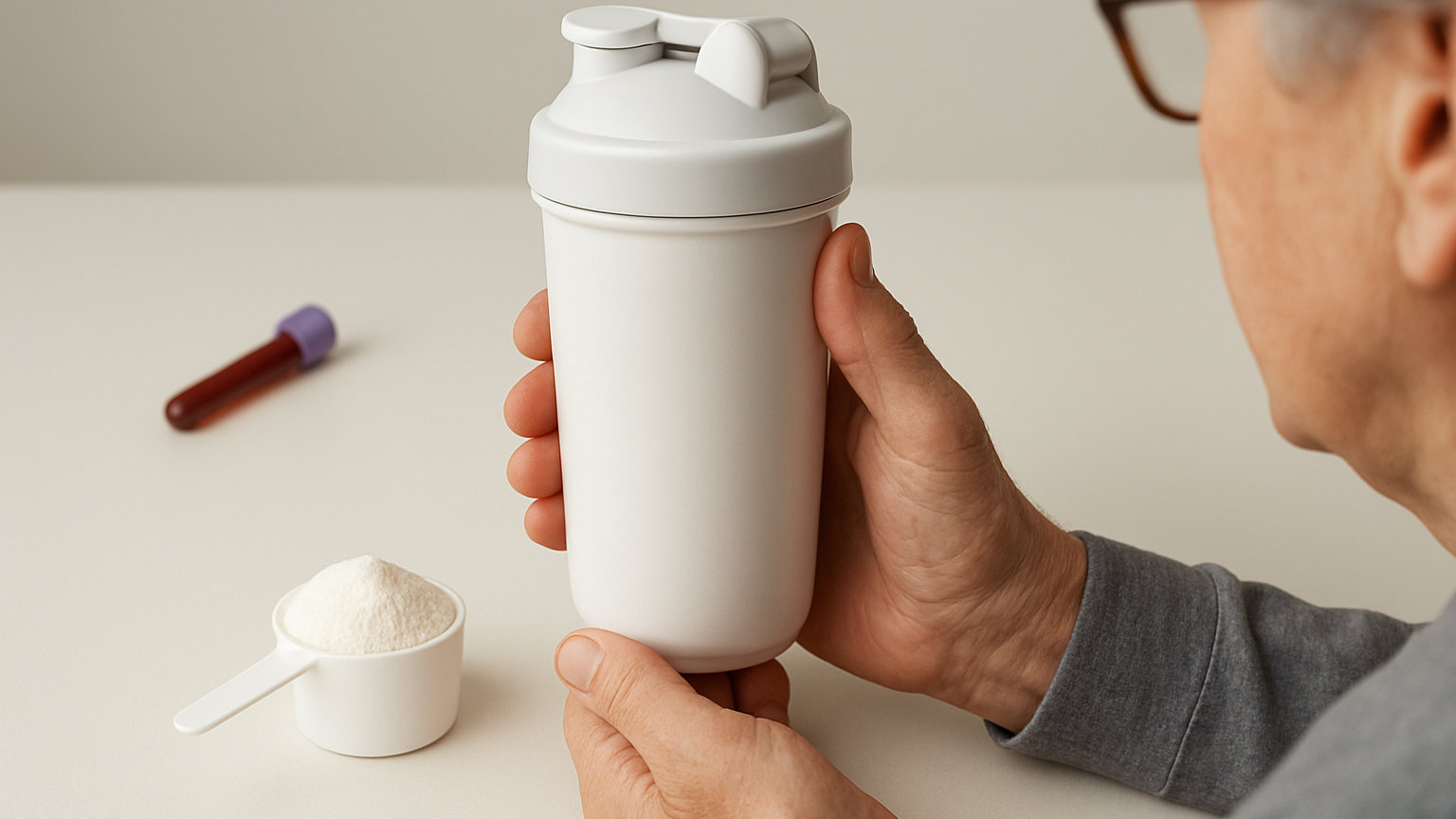
Stop biotin at least two days before blood tests and tell whoever takes the sample that you have been taking it. If you are having urgent tests for chest pain, say so immediately.
How much is in a supplement?
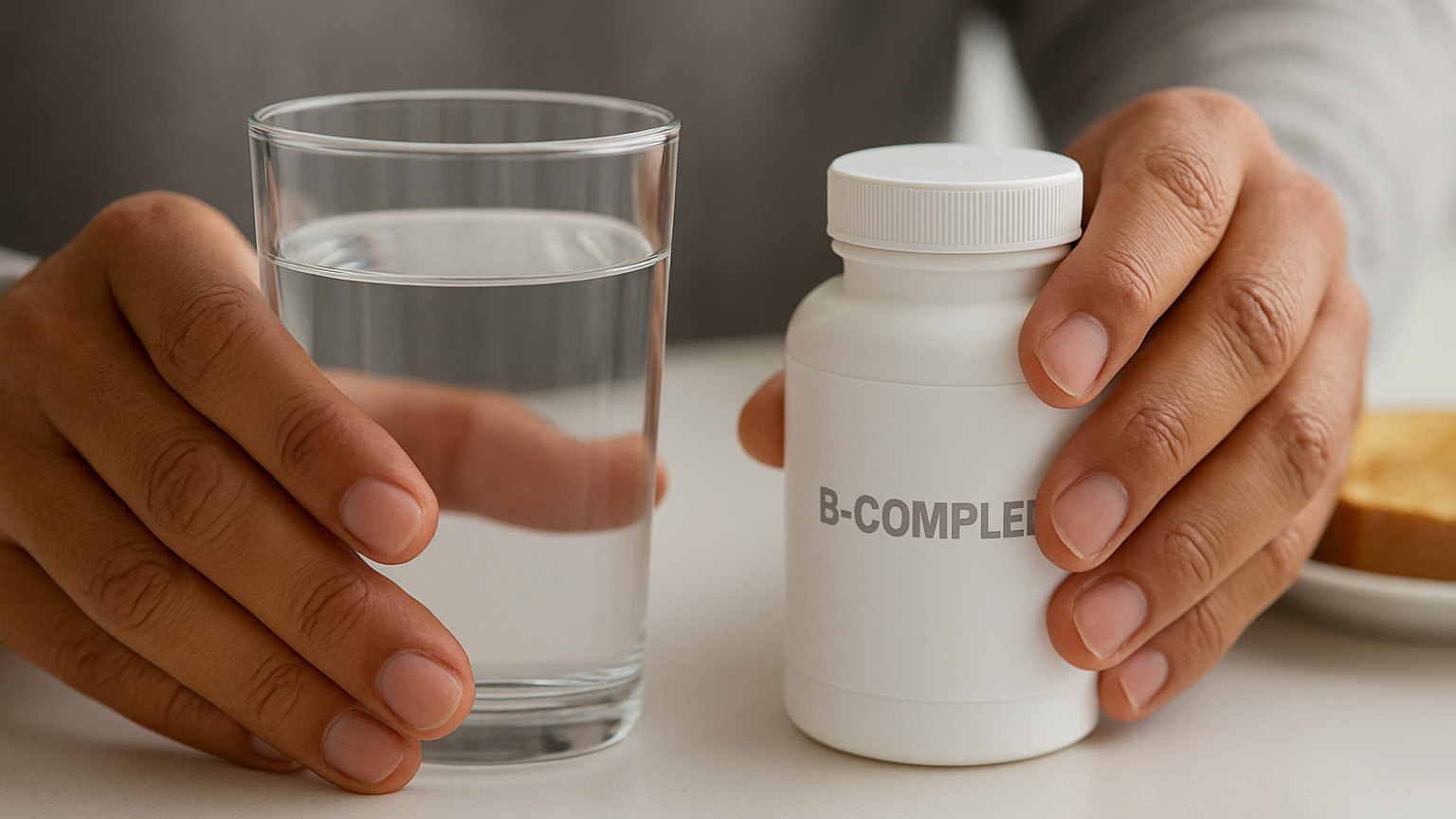
Typical hair and nail products contain 5,000 or 10,000 micrograms, against a suggested safe intake of 10 to 200 micrograms daily. The dose is not chosen from evidence about what works but from the impression a large number creates.
Multivitamins usually contain far less, often 50 micrograms or so, which is adequate and does not cause the test interference described above.
If you want to support hair and nails, addressing iron status, protein intake and any underlying condition is more likely to help than biotin. This article is general information and not medical advice.