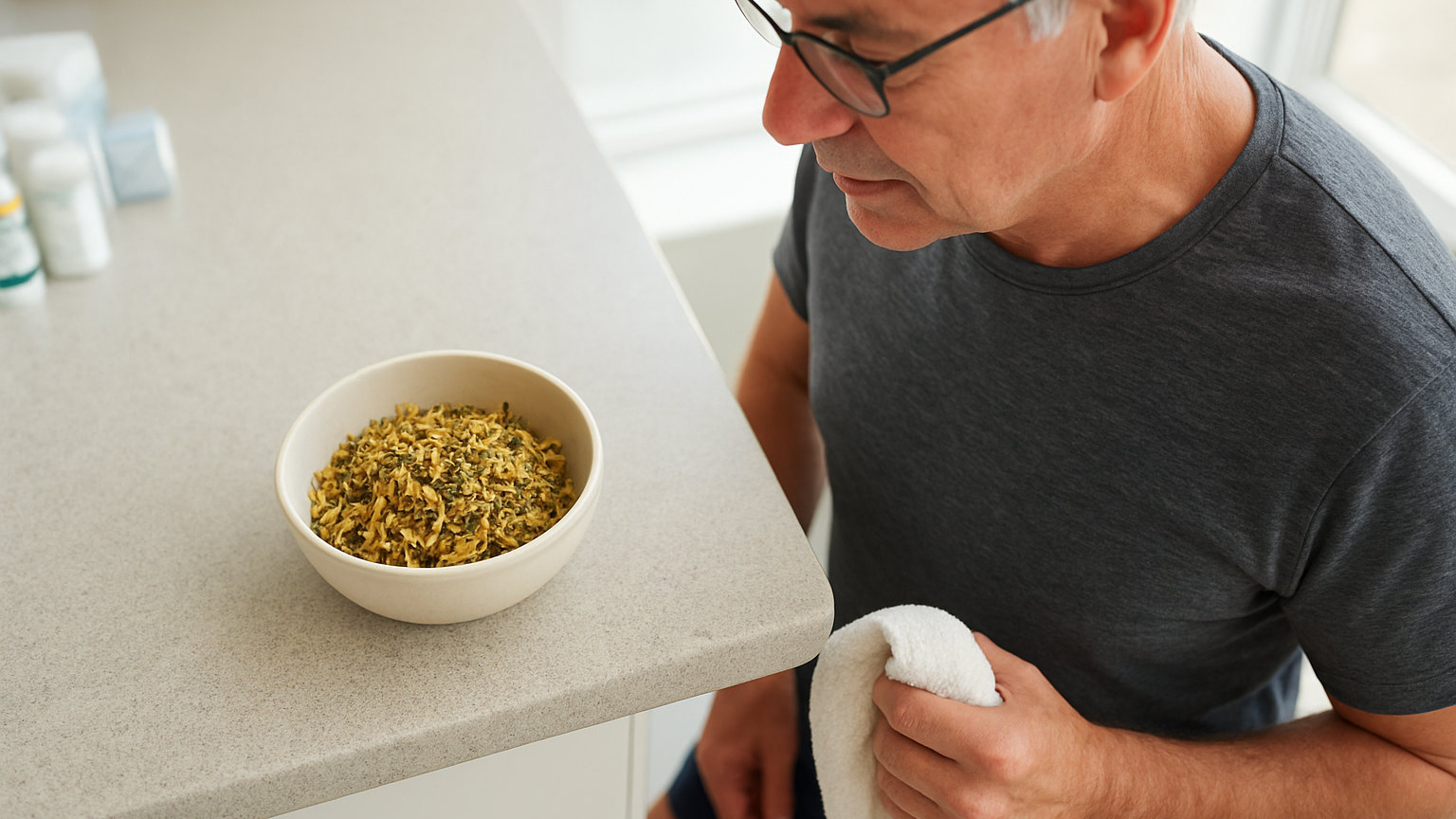
Do Epilepsy Medicines Affect Vitamin D?
Several older anticonvulsants speed vitamin D breakdown, increasing deficiency risk. St Johns wort in the other direction can reduce seizure control.
By Supplements Guide
10 Apr 2026

Supplements are sold as food in the UK rather than as medicine, which means the bar for what can appear on the packaging is far lower than most people assume. These guides cover the interactions worth checking before you start anything, the upper limits that genuinely matter, what a regulated health claim is actually permitted to say, and how to read a label without being led by the front of it.
Several older anticonvulsants speed vitamin D breakdown, increasing deficiency risk. St Johns wort in the other direction can reduce seizure control.
Organic certification covers how ingredients were grown. It says nothing about potency, absorption or heavy metal content.
Iodine and selenium have limits only a few times their requirements, which makes them unusual among nutrients and worth handling carefully.
Because a reference lends credibility whether or not it tested the product. Dose mismatches and laboratory studies are the usual routes.
UK guidance addresses this through diet rather than supplements, recommending oily fish while limiting certain species for mercury.
How many capsules the stated amounts refer to, which determines both the real dose and the real cost per day.
Several minerals block levothyroxine absorption and need spacing by four hours. Iodine and some herbs affect thyroid function directly.
Folic acid is prescribed alongside it to reduce side effects, at a dose and schedule set by the prescriber rather than chosen independently.
That a herbal product meets quality and safety standards and has a long history of traditional use. It is not evidence that it works.
UK advice suggests keeping retinol below 1.5mg daily from food and supplements combined, with lower amounts for those at risk of osteoporosis.
Less than they appear to. Reviews measure satisfaction and expectation rather than effect, and fake reviews remain a documented problem.
Not routinely. Iron is given where anaemia is identified through the blood tests offered at booking and again later in pregnancy.