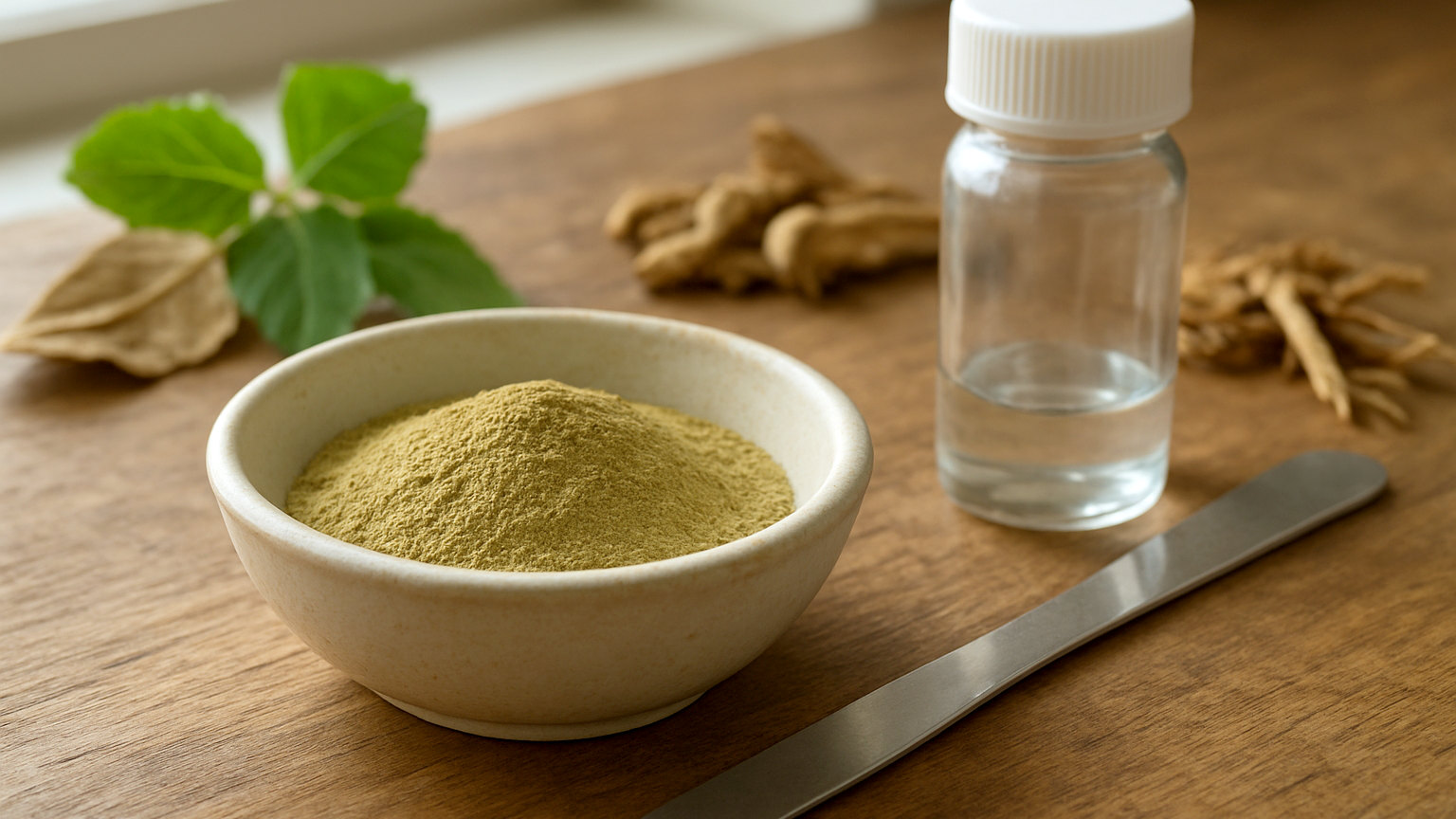
Independent testing organisations buy products off the shelf and analyse them, which provides the closest thing to a systematic picture of supplement quality.
What do they find?
- Products containing less of an ingredient than the label states
- Products containing more than stated, sometimes considerably
- Heavy metals above the thresholds the organisation applies
- Oils that have oxidised beyond recommended limits
- Botanical products where the plant material could not be confirmed
- In some categories, undeclared pharmaceutical substances
Which categories perform worst?
Weight loss, sports and sexual health products account for a disproportionate share of adulteration findings.
These are categories where effective legitimate ingredients are scarce and demand is high, which creates commercial pressure to add something that works.
Which perform better?
Straightforward vitamin and mineral products from established manufacturers generally test well.
The problems concentrate in complex botanical products and in categories with strong incentives to cut corners.
What about the identity findings?
Studies using genetic methods have reported botanical products where the labelled species could not be detected.
Some of that work has been criticised on methodological grounds, since processing degrades genetic material.
The broader finding that botanical identity is inconsistently verified is nonetheless well supported.
How should you interpret this?
Not as evidence that all supplements are unreliable, since many test accurately.
As evidence that quality varies considerably and that certification and testing distinguish products meaningfully.
Where can you read the findings?
Several organisations publish reports, some freely and some by subscription, and regulators publish alerts about specific products.
What is the summary?
Meaningful variation in quality, concentrated in particular categories, which makes third party testing a genuine differentiator rather than a marketing detail.
This article is general information and not medical advice.
Does testing catch everything?
No. Testing looks for what it is designed to find, and novel adulterants can evade panels not designed to detect them.
This has happened with designer stimulants in sports products.
What has improved?
Certification programmes have expanded, transparency has become a selling point in some categories, and regulatory alerts are published more accessibly.
The underlying regulatory framework has not changed, which limits how far this goes.
How should this affect buying?
By pushing towards tested products in the categories where problems concentrate, and by treating unusually strong claims as a warning.
Basic products from established manufacturers remain a reasonable default.
What is the summary?
Meaningful variation in quality concentrated in particular categories, which makes independent testing a genuine differentiator rather than a marketing detail.
What proportion of products fail?
Findings vary by category and by the organisation reporting, with failure rates considerably higher in some categories than others.
Comparing across reports is difficult because criteria differ.
The consistent finding is that variation exists and is not random across categories.
What should you take from the reports?
That quality varies meaningfully and that the variation is predictable by category rather than random.
Simple products from established manufacturers are a reasonable default.
Complex products in high demand categories warrant more care.
Does this apply to all supplements?
No, and that is the useful part. Basic vitamin and mineral products generally test accurately.
The problems concentrate where incentives and complexity are highest.
Adjusting your caution by category is more practical than treating everything with equal suspicion.
What is the practical response?
Prefer tested products in the categories where problems concentrate, and treat unusually strong claims as a warning rather than an attraction.
Established manufacturers with disclosed formulations remain a sensible default.
Neither blanket trust nor blanket suspicion fits the evidence.
Independent testing organisations exist because no authority performs this function.
Their findings are the best systematic picture available.
Category matters more than brand in predicting where problems occur.
Adjusting caution accordingly is more practical than uniform suspicion.
These reports are the closest thing to independent oversight this market has.
Reading them occasionally is worthwhile for anyone taking supplements regularly.