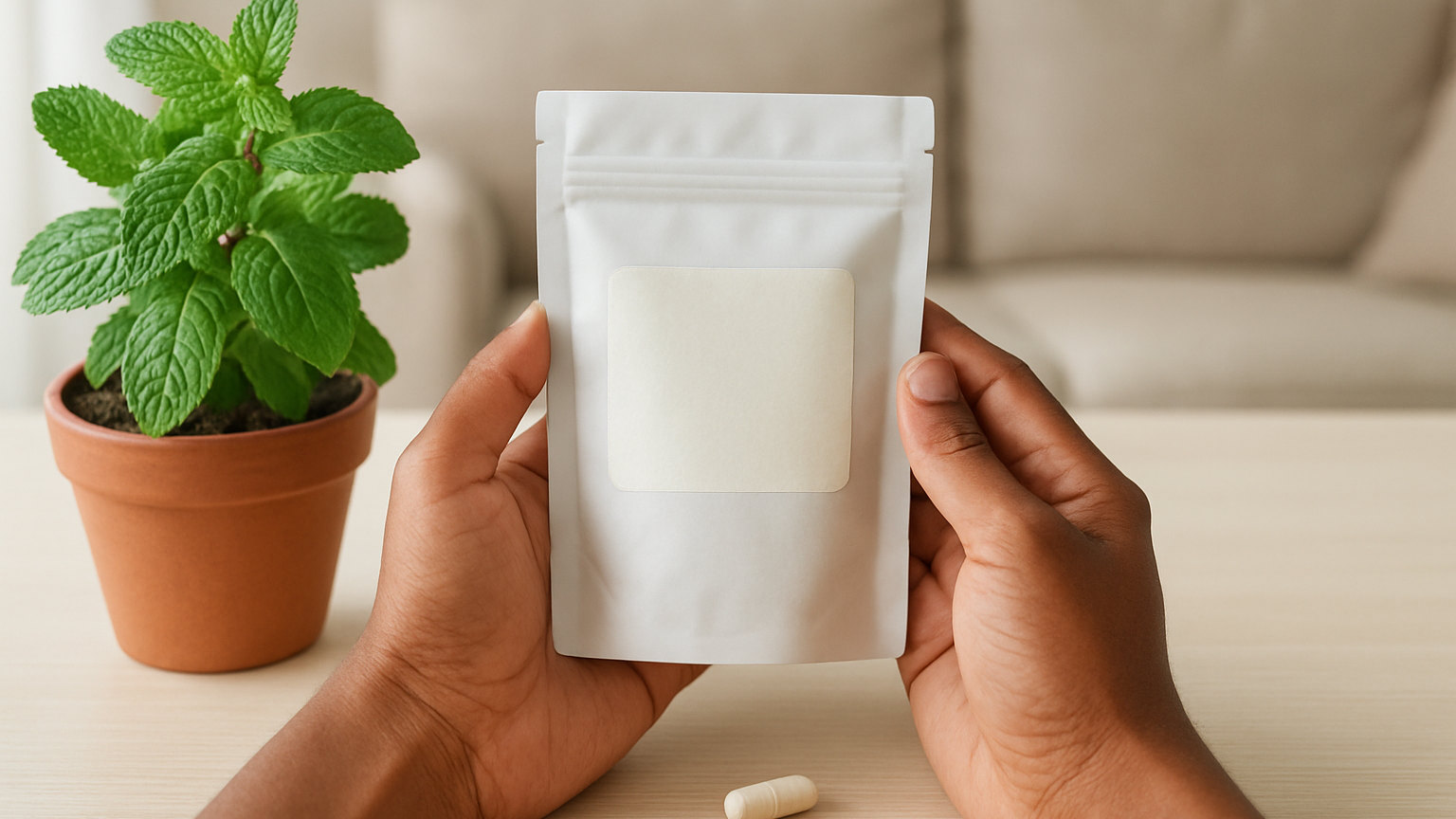
Feverfew has been used for headaches for centuries and remains among the more commonly tried herbal options for migraine.
What is feverfew?
Tanacetum parthenium, a daisy family plant traditionally grown in gardens and used by chewing the leaves.
The compound usually credited is parthenolide, and better products state a standardised parthenolide content.
What do people take it for?
Preventing migraine attacks, which is the main use.
Reducing the severity of attacks that do occur.
It is also used traditionally for arthritis and fevers, reflected in its name.
What does the research show?
A Cochrane review of feverfew for migraine prevention found the evidence insufficient to draw firm conclusions.
Some trials have reported reduced attack frequency, while others found no difference from placebo.
Differences between preparations and parthenolide content may explain part of the inconsistency.
How long does it take?
Trials have generally run for several months, since migraine frequency varies considerably month to month.
Judging any preventive treatment requires tracking attacks over time rather than relying on impressions.
What is the rebound syndrome?
Stopping feverfew abruptly after regular use has been associated with a recognised withdrawal pattern.
Reported features include rebound headache, anxiety, poor sleep, muscle stiffness and joint pain.
Tapering rather than stopping suddenly is the sensible approach.
What are the side effects?
- Mouth ulcers and mouth soreness, particularly from chewing fresh leaves
- Digestive upset
- Allergic reactions in people sensitive to daisy family plants
Who should avoid it?
Pregnant women, since feverfew may stimulate the uterus.
Anyone breastfeeding.
People taking anticoagulants, given effects on platelets.
Anyone allergic to chamomile, ragweed or related plants.
What has better evidence for migraine prevention?
Prescribed preventive medicines, which have substantial trial evidence and are available through a GP.
Riboflavin and magnesium both have modest supporting evidence and are widely used.
Identifying triggers and treating medication overuse headache where present.
When should you see a GP?
Frequent migraines, attacks that are changing in pattern, or headaches with new neurological symptoms.
Preventive treatment is worth discussing for anyone having several attacks a month.
Is it worth trying?
For someone with occasional migraines who prefers to try a herbal option first, feverfew is a reasonable candidate with mixed evidence.
Anyone taking it should track attacks and taper rather than stop abruptly.
What is the summary?
Feverfew is taken for migraine prevention, reviews find the evidence insufficient, and abrupt withdrawal causes a recognised rebound syndrome.
This article is general information and not medical advice.
What should you check on a label?
The parthenolide content, since preparations vary and the compound content differs considerably between products.
Freeze dried and dried leaf preparations are not equivalent.
How should you track it?
With a headache diary recording attack frequency and severity over several months.
Migraine varies enough that impressions are unreliable.
Who should avoid it?
Pregnant women, anyone with a daisy family allergy, and anyone on anticoagulants.
Chewing fresh leaves causes mouth ulcers in a substantial proportion of people.
What does it illustrate?
That herbal products can produce withdrawal effects, which is not something most users expect.
Tapering applies here as it does to some medicines.
What about acute attacks?
Feverfew is used for prevention rather than for treating an attack in progress.
Acute treatment options including triptans are widely available and considerably more effective for an attack.
A GP can discuss both prevention and acute treatment.
How long should you try it?
Several months, tracking attack frequency, since migraine varies enough that shorter periods are uninformative.
Then taper the dose down rather than stopping it abruptly.
That applies whether or not it helped.
Migraine is common, treatable and frequently undertreated.
A GP appointment is worth arranging for anyone having regular attacks.
Preventive treatment options have improved considerably in recent years.
What is the honest position?
Mixed trial evidence, a recognised withdrawal syndrome, and better evidenced preventive options available on prescription.
That combination argues for seeing a GP about prevention first.