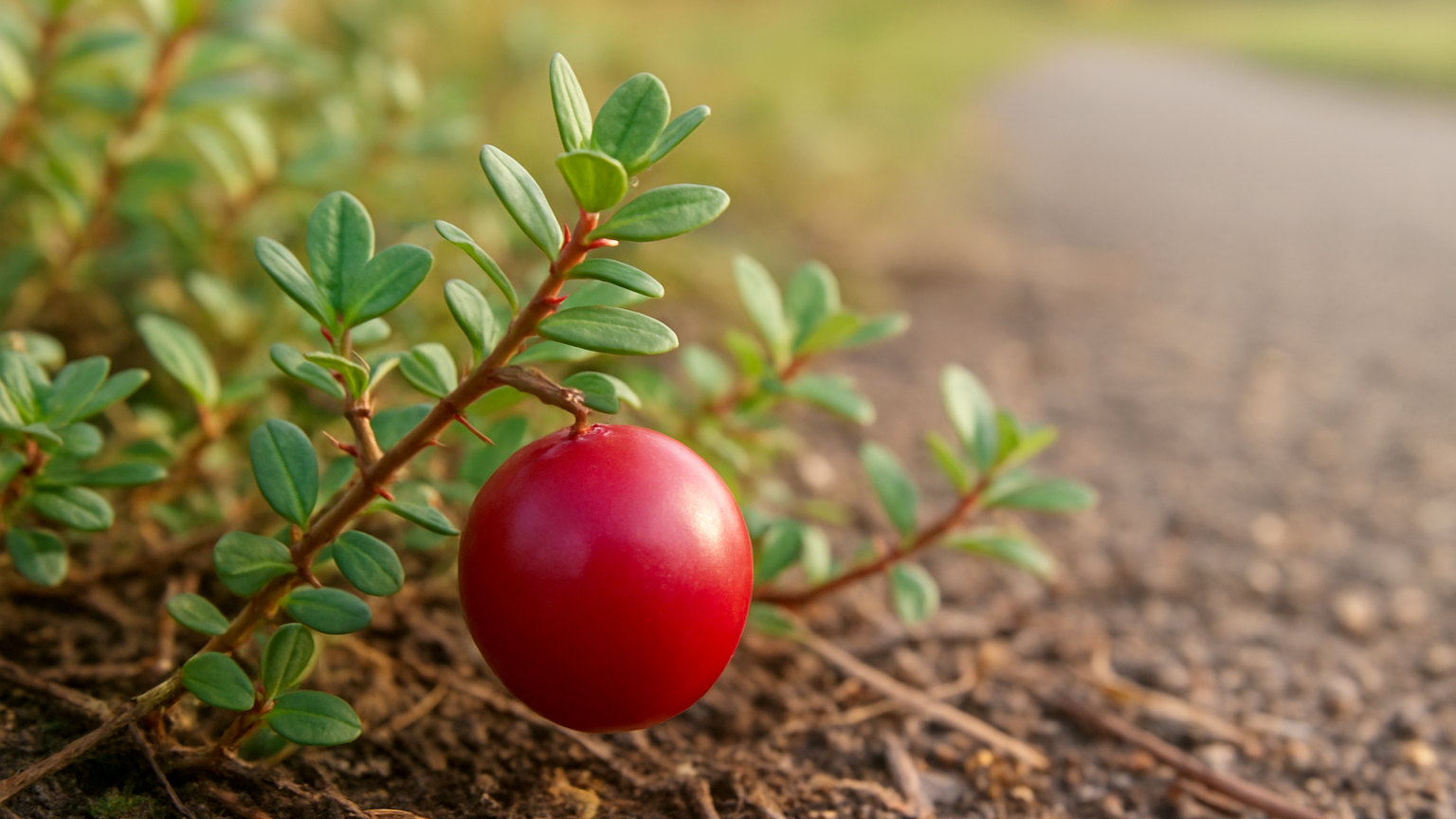
Cranberry is one of the few supplements where the evidence has moved meaningfully over time, which makes it a useful example of how conclusions change.
What is cranberry?
The fruit of Vaccinium macrocarpon, taken as juice, dried fruit, capsules or concentrated extract.
The compounds of interest are proanthocyanidins, and better products state the proanthocyanidin content rather than only the fruit weight.
What do people take it for?
Preventing recurrent urinary tract infections, which is by far the main use.
Some people also take cranberry hoping to treat an infection already underway, which it does not do.
How has the evidence changed?
An earlier Cochrane review concluded that cranberry products did not reduce urinary tract infections meaningfully.
A later update, with more and better trials available, found that cranberry products did reduce the risk of recurrent infection in women and in children.
This is an unusual case of a supplement conclusion strengthening rather than weakening with more evidence.
How does it work?
Proanthocyanidins appear to reduce the ability of certain bacteria to adhere to the lining of the urinary tract.
This is a prevention mechanism, which explains why it does not help once an infection is established.
Why does the treatment distinction matter?
Because an untreated urinary infection can progress to the kidneys and become serious.
Symptoms of infection need assessment and usually antibiotics rather than cranberry.
What form should you use?
- Capsules and extracts stating proanthocyanidin content are the most measurable option
- Juice supplies the compounds alongside substantial sugar
- Sugar free versions avoid that at the cost of taste
- Dried sweetened cranberries are a confectionery rather than a supplement
What are the cautions?
Cranberry has been associated with raised INR in people taking warfarin, and guidance advises caution with large quantities.
Cranberry is high in oxalate, which matters for anyone prone to calcium oxalate kidney stones.
Large amounts of juice can cause stomach upset.
Who might it suit?
Women with recurrent urinary tract infections looking for a preventive option alongside other measures.
It is worth discussing with a GP, since other preventive approaches exist including topical oestrogen after the menopause.
When should you see a GP?
Burning on passing urine, needing to pass urine frequently, blood in the urine, fever or back pain.
Recurrent infections should be assessed rather than managed indefinitely with a supplement.
What is the summary?
Cranberry is taken to prevent recurrent urinary infections, the evidence has strengthened, and it does not treat an infection already present.
This article is general information and not medical advice.
What dose has been used?
Trials have used varying preparations, and the proanthocyanidin content is the figure that allows comparison between them.
Products stating only cranberry fruit weight are less informative.
What else helps prevention?
Adequate fluid intake, not delaying passing urine, and for some women topical oestrogen after the menopause.
Preventive antibiotics are used in some cases under medical supervision.
Who might it suit?
Women with recurrent urinary infections, using a product stating proanthocyanidin content, alongside other preventive measures.
Anyone on warfarin should discuss it first.
What should you expect?
A reduction in how often infections occur rather than their elimination.
Any infection that does occur still needs treating properly.
What does cranberry illustrate?
That evidence can move in either direction as more and better trials accumulate.
Dismissing a supplement permanently on the basis of an older review would have been wrong here.
Keeping conclusions provisional is the reasonable position.
Anyone with recurrent infections should discuss preventive options with a GP.
Cranberry is one option among several, and the others may suit better.
Recurrent infection also warrants investigation of any underlying cause.
Cranberry is among the few supplements whose evidence has improved with better research.
It remains a preventive measure rather than a treatment.
Any suspected infection needs proper assessment.
The proanthocyanidin figure is the number worth comparing between products.
Most cranberry products do not state it.
Those that do are giving you something usable.