Glucomannan is unusual among weight loss supplements in having an authorised health claim, which reflects a genuine if modest mechanism.
What is it?
A soluble fibre from the root of the konjac plant, used in Asian cooking to make shirataki noodles and jelly products.
It absorbs a large volume of water relative to its weight, forming a viscous gel.
What is the authorised claim?
European authorisation permits a claim that glucomannan contributes to weight loss in the context of an energy restricted diet.
The claim applies at three grams daily in three doses of one gram, taken with water before meals.
Very few weight loss supplements have any authorised claim, which makes this notable.
How does it work?
By absorbing water and expanding in the stomach, increasing volume and promoting fullness.
It also slows gastric emptying and may reduce the glycaemic response to meals.
The effect depends entirely on taking it with adequate water, since it needs water to expand.
How large is the effect?
Modest. Trials have reported differences of around one to two kilograms compared with placebo over several months.
The authorised claim specifies an energy restricted diet, meaning it supports a dietary change rather than substituting for one.
What is the choking risk?
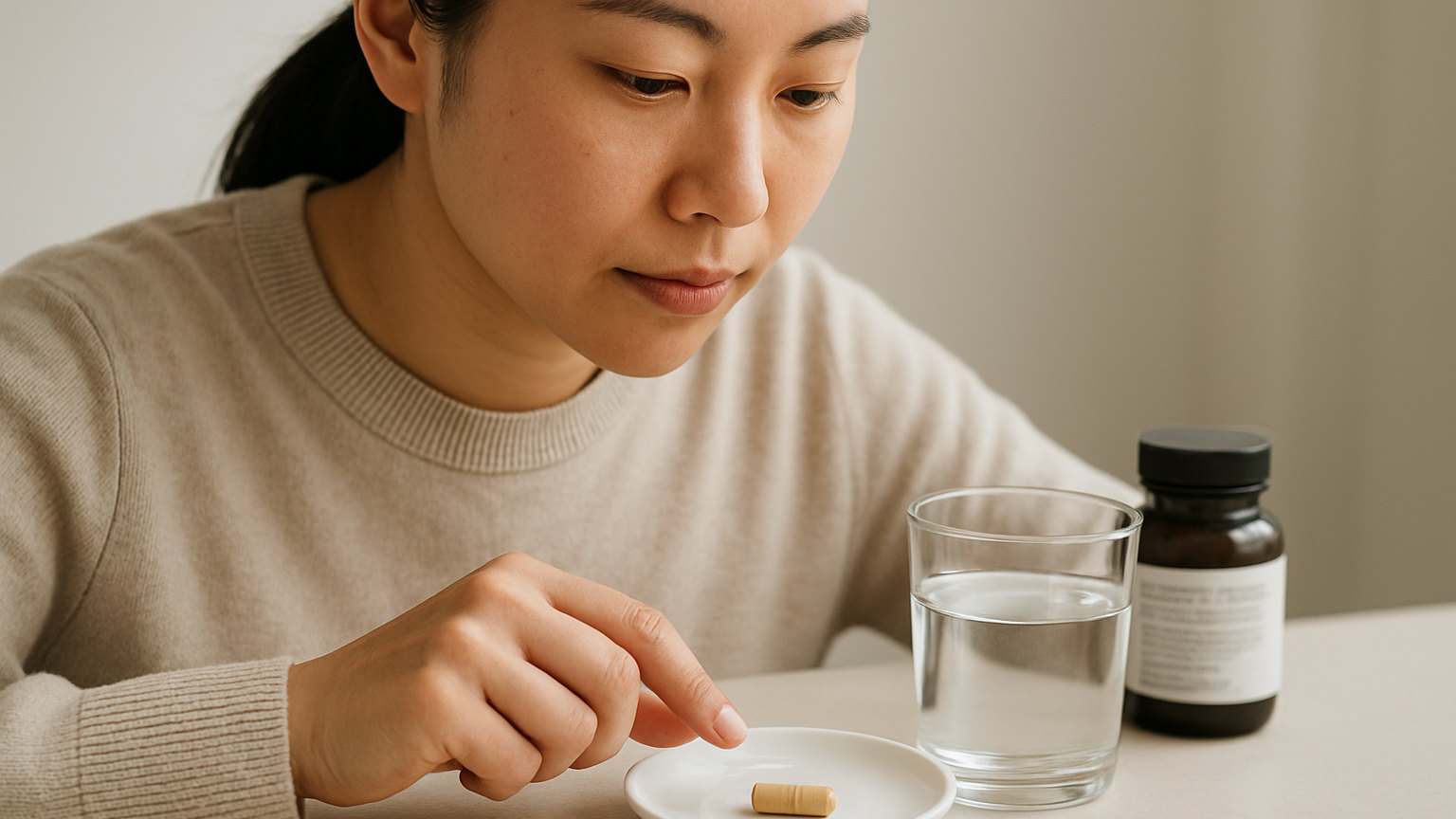
Genuine and the reason for specific warnings. Glucomannan expands rapidly on contact with water, and tablets or capsules can swell in the oesophagus if not taken with enough fluid.
Cases of oesophageal obstruction have been reported, and regulatory warnings require products to carry instructions about taking them with plenty of water.
Who should avoid it?
- Anyone with difficulty swallowing
- People with narrowing of the oesophagus or previous obstruction
- Anyone unable to take it with a substantial glass of water
- People taking medicines where absorption could be affected, without spacing them apart
Would food fibre do the same?
Increasing dietary fibre towards the UK recommendation of 30 grams daily produces satiety alongside other benefits, and most people fall well short.
What is the summary?
A modest effect with an authorised claim, dependent on taking it correctly with plenty of water, and carrying a real choking risk if not.
This article is general information and not medical advice.
Does it interact with medicines?
Viscous fibre can slow or reduce absorption of medicines taken at the same time, so spacing them apart by a couple of hours is advised.
Anyone on medication with a narrow therapeutic range should check with a pharmacist.
What are the common side effects?
Bloating, wind and abdominal discomfort, particularly when starting, and constipation without adequate fluid.
Introducing it gradually reduces these considerably.
What is the summary?
A modest effect with a rare authorised claim, entirely dependent on taking it correctly with plenty of water before meals.
The choking risk is real and is the reason products carry specific warnings about how to take them.
Is konjac food the same?
Shirataki noodles and konjac jelly contain the same fibre in a food form, providing bulk and very few calories.
They supply less concentrated fibre than a supplement dose but carry no choking risk when eaten normally.
Is it worth trying?
It is one of the few supplements in this category with an authorised claim, which makes it a more defensible option than most.
The effect remains modest and depends on using it alongside dietary change rather than instead of it.
How should you start?
With a smaller dose and plenty of water, building up over a week or two, which reduces both the digestive effects and the risk of taking it with insufficient fluid.
Never take it immediately before lying down.
Does it affect nutrient absorption?
Viscous fibre can reduce absorption of some minerals and fat soluble vitamins when taken at the same time.
Spacing it apart from supplements and medicines by a couple of hours addresses this.
Anyone with swallowing difficulties should avoid it entirely rather than attempting to take it carefully.