Garcinia cambogia became one of the best selling weight loss supplements following television promotion, and the research behind it does not support the attention.
What is it?
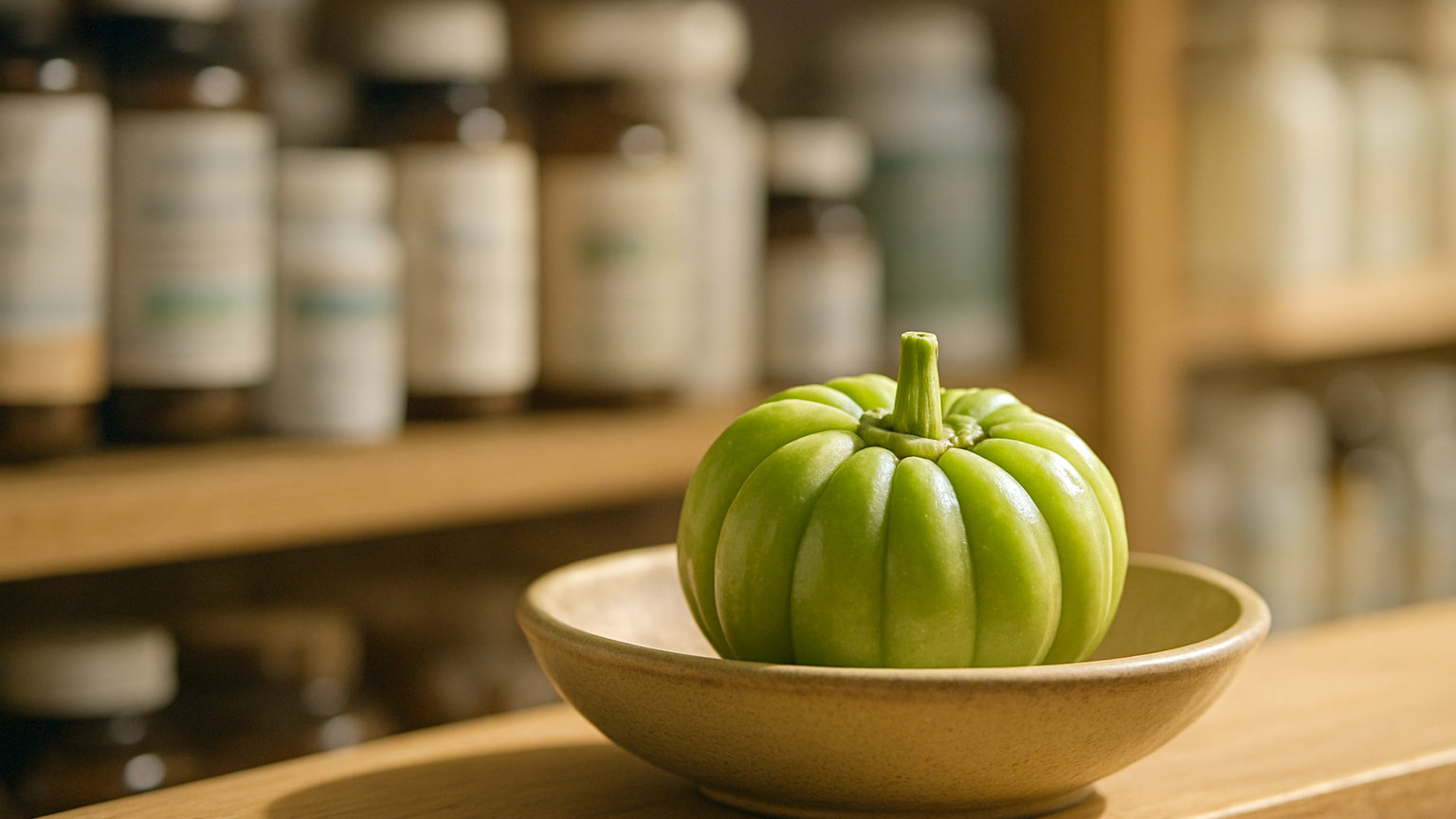
An extract from the rind of a tropical fruit, standardised for hydroxycitric acid, or HCA.
HCA inhibits an enzyme involved in converting carbohydrate to fat, which is the basis of the mechanistic claim.
Does the mechanism translate?
Poorly. Converting carbohydrate to fat is not a major pathway in humans on ordinary diets, since dietary fat is stored directly and carbohydrate is mostly oxidised or stored as glycogen.
Inhibiting a pathway that contributes little would not be expected to produce much, which is broadly what the trials found.
What does the research show?
A meta-analysis of randomised trials found a difference of under a kilogram compared with placebo.
The authors described the evidence as of low quality and concluded that any effect was small and of questionable clinical relevance.
Later reviews have reached similar conclusions.
What are the safety concerns?
Case reports of liver injury have been associated with garcinia containing products.
A widely sold product containing it was recalled following reports of liver problems, though the products contained multiple ingredients which complicates attribution.
Cases of serotonin toxicity have also been reported when combined with antidepressants.
Who should avoid it?
- Anyone taking antidepressants, given the serotonin reports
- People with liver disease
- Anyone with diabetes, since it may affect blood glucose
- Pregnant and breastfeeding women
Why did it become so popular?
A single television endorsement drove enormous sales, illustrating how weakly the supplement market is tied to evidence.
The same pattern has repeated with several ingredients since.
What is the summary?
A mechanism that does not translate, trials finding under a kilogram in low quality studies, and liver injury reports. Not a product the evidence supports.
This article is general information and not medical advice.
What doses were used?
Trials have used a wide range of hydroxycitric acid doses over eight to twelve weeks, with no consistent dose response emerging.
Products vary considerably in HCA content, which is worth checking if you are comparing against any specific study.
Does it affect appetite?
Some early work suggested appetite effects through serotonin, which is also the basis of the interaction concern with antidepressants.
Human appetite findings have been inconsistent across trials.
What is the summary?
A mechanism that does not translate to humans, trials finding under a kilogram in low quality studies, and liver injury reports alongside it.
Its popularity remains a useful case study in how weakly this market is connected to the evidence behind it.
Is it still widely sold?
Yes, both alone and as an ingredient in multi-ingredient products, often at doses far below anything studied.
Its continued availability reflects demand rather than evidence.
What should you take from this?
That a plausible sounding mechanism, heavy promotion and enormous sales can coexist with an absence of meaningful effect.
The same combination recurs regularly in this category with different ingredients.
What about the products it appears in?
Garcinia frequently appears in multi-ingredient blends at doses far below those used in trials that already found little.
That combination makes any effect vanishingly unlikely.
What about combined recalls?
Where recalls have occurred, products typically contained several ingredients, which makes attributing harm to garcinia specifically difficult.
That uncertainty is itself an argument against multi-ingredient products in this category.
What is the broader lesson?
That a single high profile endorsement can outweigh an entire evidence base commercially, which is worth remembering when the next ingredient appears.
The pattern has repeated several times since with different compounds.
Products still list it prominently on their packaging, which says considerably more about marketing than about what the trials actually found.
Checking whether an ingredient has actually been tested properly takes a few minutes online and frequently settles the question entirely.
Anyone taking antidepressants should avoid it specifically, given the reports of serotonin related reactions.