Appetite suppression is a plausible mechanism for weight management, and the products claiming it vary enormously in whether they do anything.
Which mechanisms are plausible?
- Physical bulk, where soluble fibre absorbs water and occupies stomach volume
- Delayed gastric emptying, prolonging fullness after a meal
- Stimulant effects, which reduce appetite in some people
- Effects on appetite hormones, which is where prescribed medication acts
What works through bulk?
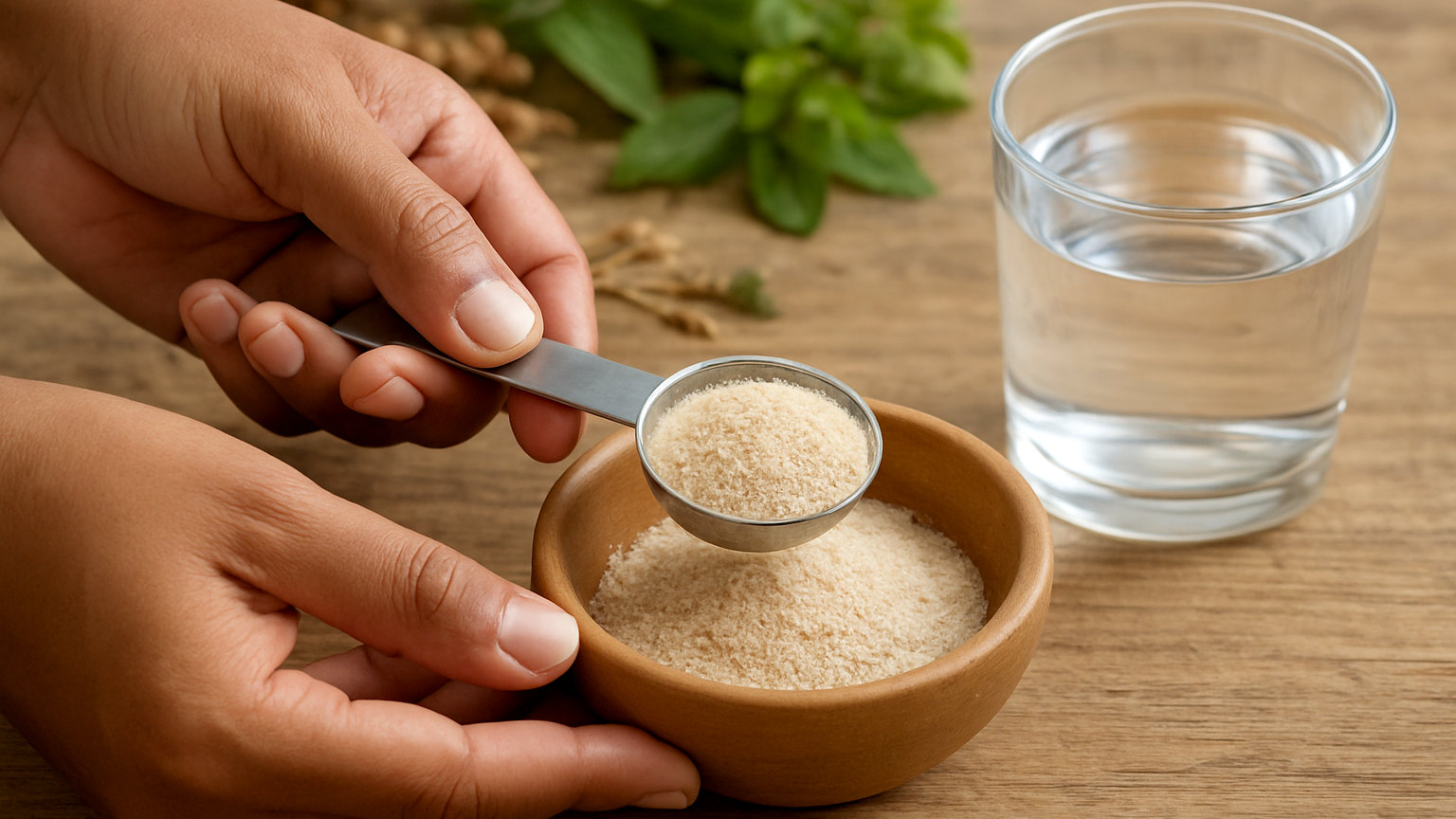
Glucomannan has an authorised European health claim for weight loss in the context of an energy restricted diet, at three grams daily taken with water before meals.
It is one of very few supplements in this category with an authorised claim, and the effect remains modest.
Other soluble fibres including psyllium produce similar fullness through the same mechanism.
What about stimulants?
Caffeine reduces appetite in some people, and tolerance develops with regular use.
Stronger appetite suppressing stimulants have generally been withdrawn from the market following cardiovascular concerns.
Products claiming powerful appetite suppression without stimulants are usually claiming more than they deliver.
What about hormone based claims?
Prescribed medicines acting on GLP-1 receptors produce substantial appetite reduction through a genuine hormonal mechanism.
Supplements claiming to replicate this do not, and no supplement has demonstrated comparable effects.
Does protein help?
Protein is consistently the most satiating macronutrient, and higher protein intake reduces spontaneous calorie intake in controlled studies.
This is a dietary approach rather than a supplement, and it has better evidence than anything sold as an appetite suppressant.
Is appetite suppression a good goal?
Not always. Appetite is a signal rather than an enemy, and suppressing it without addressing eating patterns rarely produces lasting change.
Anyone who finds themselves wanting to eliminate hunger rather than manage it may benefit from speaking to a GP.
What is the summary?
Fibre works modestly through bulk, stimulants work temporarily, and most other claims are unsupported.
If your relationship with food or eating feels distressing, support is available and a GP is a good place to start. This article is general information and not medical advice.
Does timing matter?
Fibre based products need to be taken with water before meals to expand and occupy stomach volume, which is how the authorised glucomannan claim is worded.
Taking them after a meal misses the mechanism entirely.
What are the side effects?
Fibre products cause bloating and wind, particularly when introduced suddenly, and require adequate fluid to avoid constipation.
Stimulant products cause the effects you would expect from stimulants, including anxiety and disturbed sleep.
What is the summary?
Fibre works modestly through physical bulk and has an authorised claim, stimulants work temporarily, and most other appetite claims are unsupported.
Protein at meals achieves more than anything sold as an appetite suppressant, and it is food rather than a product.
Do they help long term?
Trials have generally been short, and appetite adapts over time, which limits how long any suppression would persist.
Approaches relying on suppressing hunger rather than changing eating patterns tend not to survive contact with real life.
What about chromium?
Chromium picolinate is widely marketed for cravings and appetite, and reviews have generally found minimal effects on weight or appetite.
Deficiency is rare in people eating ordinary diets, which limits what supplementation could achieve.
What about drinking water before meals?
Some trials have found that drinking water before eating modestly reduces intake, particularly in older adults.
It costs nothing and has a comparable evidence base to several products sold for the purpose.
Who should be careful?
Anyone with a history of disordered eating, for whom products marketed on suppressing hunger can reinforce unhelpful patterns.
If that describes you, speaking to a GP is more useful than any product, and support is available.
Products promising to eliminate hunger entirely are describing something that would be neither achievable nor desirable.
Fibre from ordinary food achieves the same fullness while contributing to a daily fibre target that most people in the UK fall well short of.