The arithmetic of greens powders is the most useful thing to understand about them, and it is straightforward once you do it.
What does the arithmetic show?
A typical serving is eight to twelve grams. A typical ingredient list runs to thirty, fifty or seventy items.
Divided evenly, fifty ingredients in ten grams gives 200 milligrams each.
The distribution is never even, with bulk ingredients such as grasses, fibre and flavouring taking most of the weight and the remainder split among the rest.
How does that compare with research doses?
Spirulina studies have typically used one to eight grams daily. Chlorella research has used several grams. Beetroot nitrate research uses concentrated doses.
Ashwagandha trials used 300 to 600 milligrams of standardised extract, which alone would occupy a meaningful share of a greens scoop.
A product listing all of these cannot contain a research dose of any of them.
What is a proprietary blend?
A group of ingredients listed under a single combined weight, so individual amounts are not disclosed.
You know the total and the descending order by weight, and nothing about the distribution within it.
This is standard practice in greens powders and it conceals precisely the information needed to assess the product.
How can you estimate?
- Note the total blend weight against the number of ingredients in it
- Assume the first few ingredients dominate the weight
- Compare the total against the research dose of any ingredient you care about
- Treat anything below a gram in a large blend as decorative
Why do manufacturers do it?
Because a long ingredient list sells well and disclosing the amounts would show how little of each is present.
The trade secret justification is weak, since these are commodity plant powders with published research doses.
Are transparent products available?
Some products disclose every amount, and they generally contain fewer ingredients at more meaningful doses.
Choosing on that basis rewards the practice and gives you information you can actually use.
What is the summary?
A small serving divided across dozens of ingredients leaves token amounts, and proprietary blends exist to prevent you from calculating that.
This article is general information and not medical advice.
Does the order of ingredients help?
Ingredients are listed in descending order by weight, so the first few dominate. Anything in the last third of a long list is present in very small amounts.
That gives you a rough sense of the distribution even when individual amounts are hidden.
What would a meaningful product look like?
Fewer ingredients at disclosed doses that correspond to published research, which would necessarily mean a larger serving or a shorter list.
Such products exist and look considerably less impressive on the front of the tub.
What is the summary?
A small serving divided across dozens of ingredients leaves token amounts of each, and proprietary blends exist to prevent you from calculating that.
Fewer ingredients at disclosed doses is the better product even though it looks less impressive.
Does the serving size vary?
Considerably, from around five grams to over fifteen, which affects every calculation about ingredient amounts.
Comparing products on a per serving basis without checking the serving size produces misleading conclusions.
What about capsule versions?
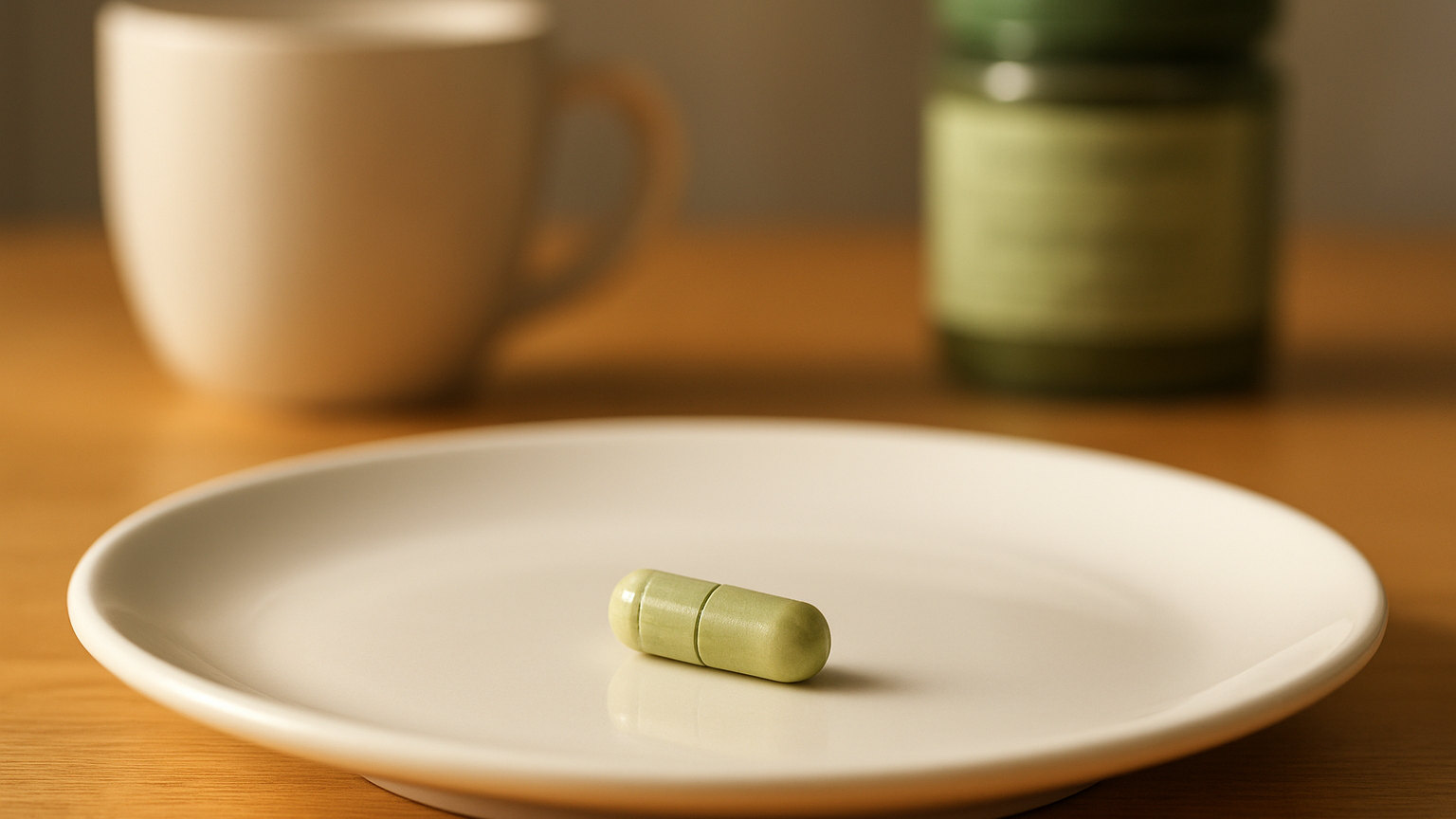
Capsules contain even less than powders, since a capsule holds under a gram and several would be needed to match a single scoop.
Products offering a few capsules daily as a greens equivalent are delivering very small quantities indeed.
What is worth calculating?
Take the blend weight, divide by the number of ingredients in it, and compare that figure against any research dose you can find.
It takes a minute and usually settles the question.
Does any of this apply to simpler products?
A single ingredient powder such as plain spirulina or beetroot states what it contains, which makes the dose question straightforward.
The problem is specific to blends where the serving size is fixed and the ingredient count is high.