Moringa is among the most heavily marketed plant powders, and the claims made for it follow a pattern worth learning to recognise.
What is moringa?
The leaves of Moringa oleifera, a fast growing tree native to South Asia, eaten as a vegetable and dried into powder.
Moringa leaf is a genuinely nutritious food, particularly in regions where it grows and can be eaten fresh.
What do people take it for?
General nutrition and energy, marketed under the superfood description.
Blood sugar and cholesterol, where some research exists.
It also appears as an ingredient in greens powders and multi-ingredient blends.
What are the nutrient claims?
Marketing frequently states that moringa contains several times the vitamin C of oranges, the calcium of milk or the iron of spinach.
These comparisons pit dried moringa powder against fresh foods that are mostly water.
Comparing dried against dried removes most of the difference, and the serving sizes involved are entirely different.
How much do you actually eat?
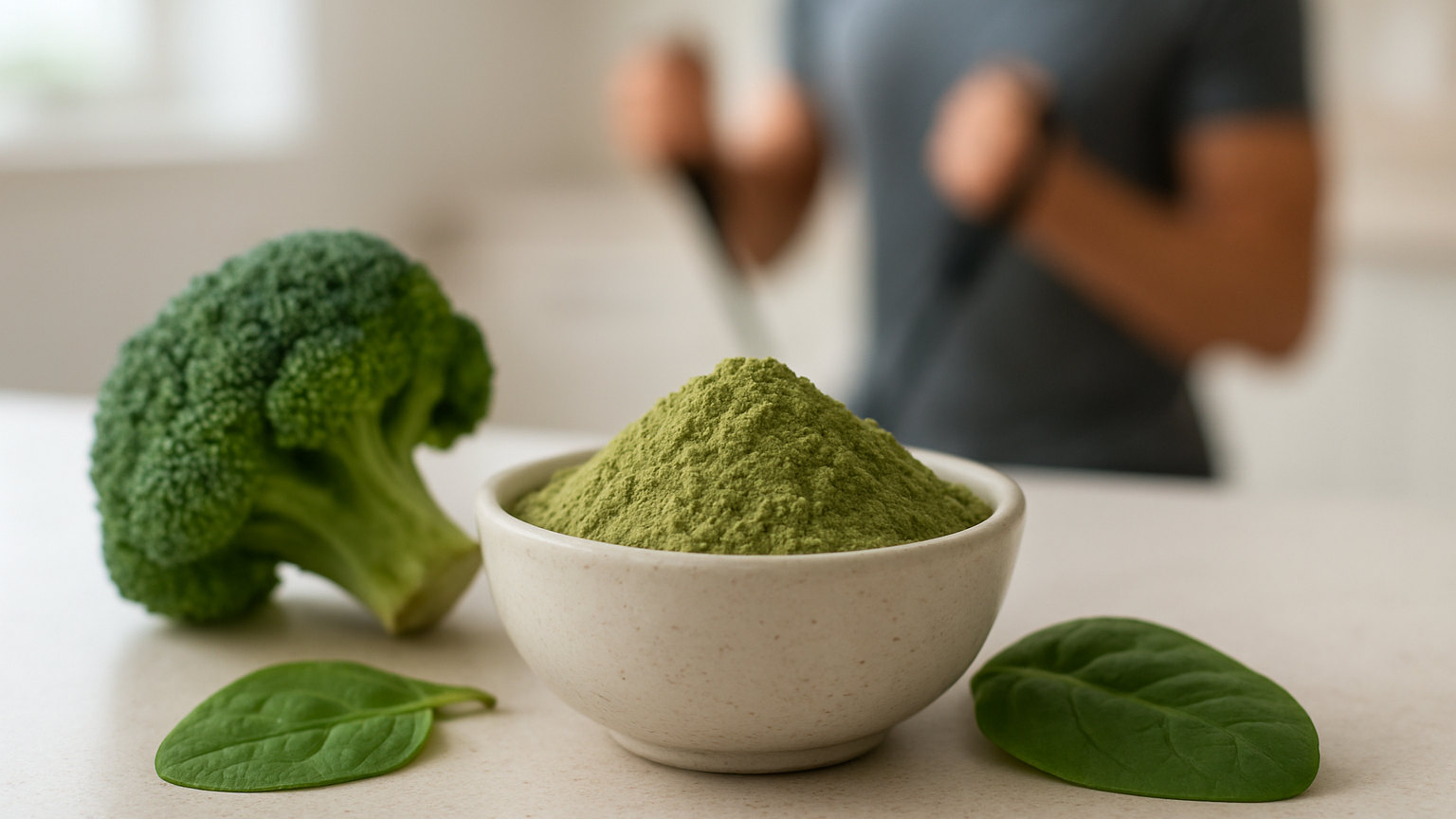
A typical serving of moringa powder is a teaspoon or two, perhaps five grams.
That supplies a modest amount of each nutrient rather than the dramatic figures implied by comparisons per hundred grams.
What does the research show?
Small trials have reported reductions in fasting blood glucose and in cholesterol with moringa leaf.
Studies have been small and short, and reviews describe the evidence as preliminary.
Which parts should be avoided?
The root and bark contain compounds that are toxic and have been associated with uterine effects.
Only the leaf, and to a lesser extent the seed and pod, are appropriate for supplement use.
Products should state which part they contain.
Who should be careful?
- Pregnant women, particularly regarding root and bark preparations
- Anyone taking diabetes medication, given the glucose lowering effect
- People on blood pressure or thyroid medication, where interactions have been proposed
What about contamination?
Moringa is a dried plant powder, which means the heavy metal considerations that apply to greens powders apply here.
Third party testing is worth looking for.
Does it replace vegetables?
No. A teaspoon of powder supplies neither the fibre, the volume nor the variety of eating vegetables.
Is it worth taking?
As a nutritious addition to food it is reasonable, and as a supplement replacing vegetables it is not.
The marketing considerably overstates what a small daily serving delivers.
What is the summary?
Moringa is a nutritious leaf sold on misleading comparisons, with modest research on glucose and cholesterol and a caution about root preparations.
This article is general information and not medical advice.
How do the comparisons work?
Take a dried powder, compare it per hundred grams against a fresh food that is ninety per cent water, and the dried product wins every time.
The same trick works for any dried herb and tells you nothing useful.
What should you check on a label?
The plant part, the serving size, and whether third party testing for heavy metals has been done.
Serving size is where the nutrient claims usually fall apart.
Who might it suit?
Someone adding it to food as a nutritious ingredient rather than expecting a supplement effect.
Anyone on diabetes medication should mention it, given the glucose lowering findings.
What should you expect?
A modest nutrient contribution from a small daily serving, and nothing resembling the marketing claims.
What does moringa illustrate?
That the superfood framing relies on comparisons chosen to flatter, and that the arithmetic rarely survives checking.
Moringa is a genuinely useful food where it is eaten as one.
As a teaspoon of powder it is something much smaller.
Anyone using moringa should treat it as a food ingredient rather than as a treatment.
Third party testing matters here as it does for any dried plant powder.
Moringa illustrates how effective a well chosen comparison can be in marketing.
Checking the serving size dismantles most of it.
Eating the leaves fresh where available remains the best use of the plant.
The powder is a convenience rather than an upgrade.