Holy basil appears in adaptogen blends alongside ashwagandha and rhodiola, and has a smaller research base than either.
What is holy basil?
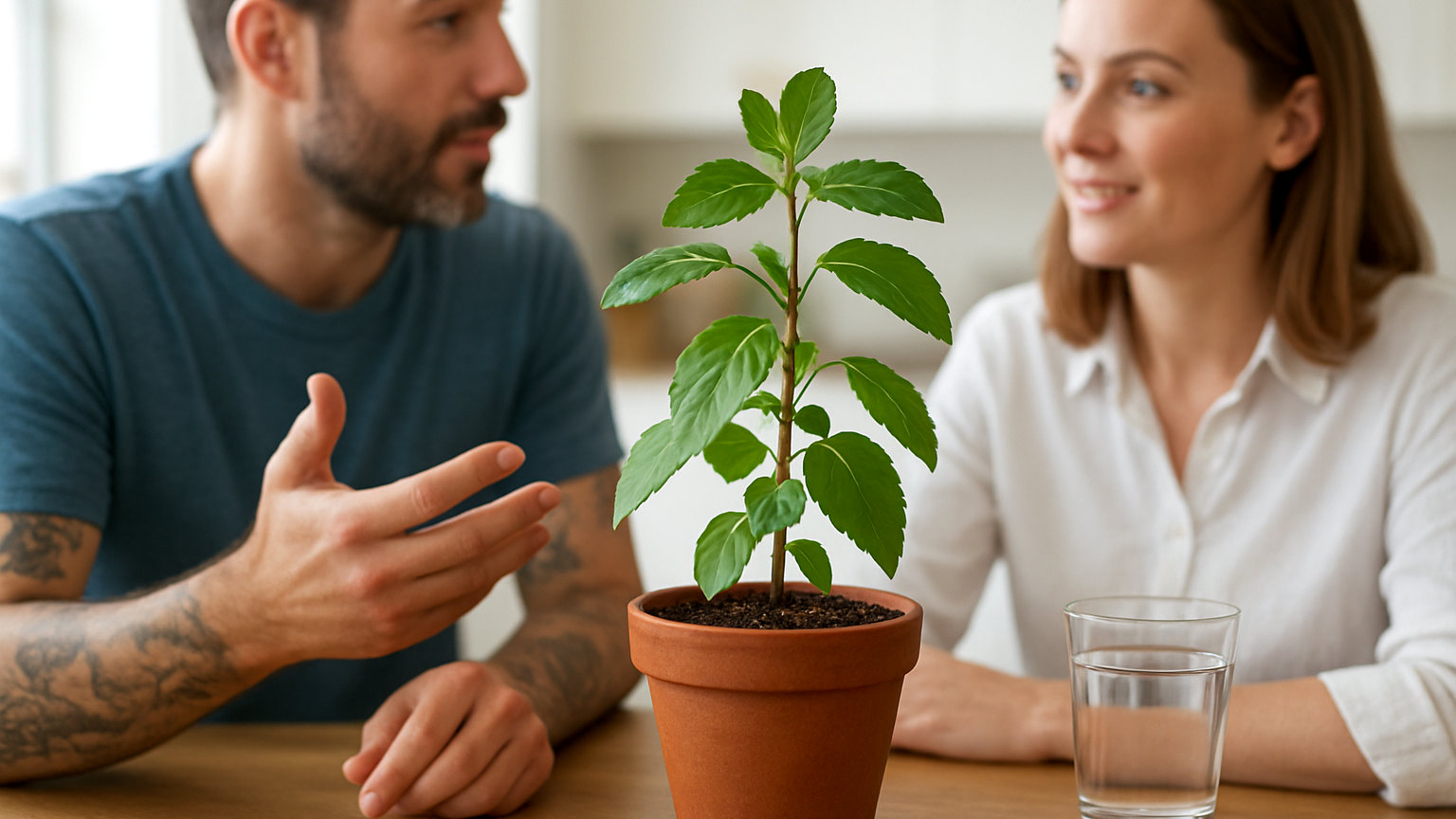
Ocimum tenuiflorum, known as tulsi, a plant held sacred in India and used extensively in Ayurvedic medicine.
It is distinct from the culinary sweet basil used in cooking, despite the similar name and appearance.
What do people take it for?
Stress and anxiety, marketed under the adaptogen framing that also covers ashwagandha and rhodiola.
Blood sugar control, which is the other main claim and has some supporting research.
It is also taken as a tea for general wellbeing and respiratory complaints.
What does the research show?
Small trials have reported reductions in stress and anxiety scores with holy basil extract over six to eight weeks.
Studies in people with type 2 diabetes have reported modest reductions in fasting blood glucose.
Sample sizes have been small, durations short, and much of the research comes from a limited number of groups.
What are the safety considerations?
- Antiplatelet effects, which matter alongside anticoagulants and before surgery
- Blood glucose lowering, which adds to diabetes medication
- Effects on fertility reported in animal studies
- Limited safety data in pregnancy and breastfeeding
Why does the antiplatelet effect matter?
Because holy basil is frequently taken alongside other supplements affecting bleeding, including fish oil, turmeric and ginkgo.
It is generally stopped one to two weeks before surgery for this reason.
What about the diabetes claim?
Anyone taking glucose lowering medication should not add holy basil without discussing it with their diabetes team.
The combination could lower blood glucose further than intended.
What form is it sold in?
Tea, tincture, capsules of dried leaf, and standardised extracts, with strength varying enormously between them.
Tea supplies far less than a concentrated extract, which is worth knowing when comparing products.
How does it compare with ashwagandha?
Ashwagandha has considerably more trial evidence for stress, along with its own set of cautions including thyroid effects.
Holy basil has a smaller literature and a different safety profile.
What has better evidence for stress?
Physical activity, adequate sleep, and psychological approaches including cognitive behavioural techniques.
Is it worth trying?
As a tea it is pleasant and low risk. As a concentrated supplement it warrants the same checks as any active herb.
What is the summary?
Holy basil is taken for stress and blood sugar, has small supporting trials, and carries antiplatelet and glucose lowering effects worth declaring.
This article is general information and not medical advice.
What is in it?
Eugenol, ursolic acid and various other compounds, with products sometimes standardised to ursolic acid content.
Standardisation is less common for holy basil than for better studied herbs.
Does it help sleep?
Some products market it for sleep on the basis of its stress claims, and direct evidence for sleep outcomes is minimal.
Its effects, where present, appear to be on stress measures rather than on sleep specifically.
What should you look for?
The botanical name, the plant part, and any standardisation, since holy basil products vary considerably.
Blends containing it alongside several other adaptogens will contain small amounts of each.
Does it interact with medicines?
Anticoagulants and antiplatelet drugs, given its effects on platelets, and glucose lowering medication.
A pharmacist can check the combination in a few minutes.
Who might it suit?
Someone drinking it as a tea for enjoyment, or taking a standardised extract having checked it against their medicines.
Anyone due for surgery should stop it beforehand.
What is the evidence position overall?
Holy basil has a small and mostly favourable literature, with the usual limitations of size, duration and independence.
It is less studied than ashwagandha and marketed in much the same way.
Expectations should be set accordingly.
What should you expect?
A modest change in stress measures over several weeks, if anything, rather than a noticeable difference within days.
Setting that expectation makes any real effect easier to identify.