Ashwagandha has moved from Ayurvedic medicine into mainstream supplement shelves faster than almost any herbal product. Understanding what it is, and what the adaptogen label means, is worth doing before assessing the claims.
What is the plant?
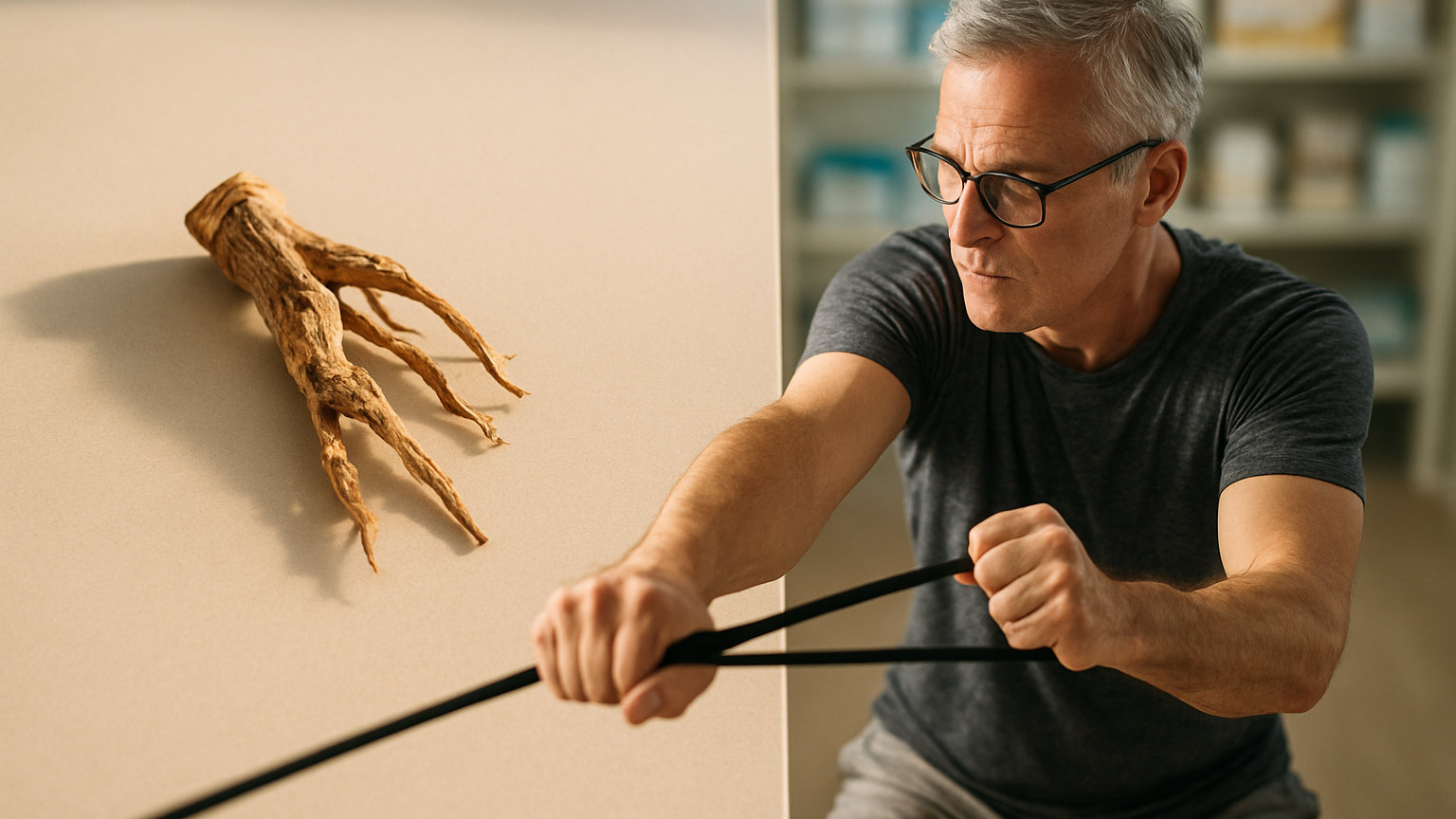
Withania somnifera, a shrub native to India, the Middle East and parts of Africa, also called Indian ginseng or winter cherry despite being unrelated to ginseng.
It belongs to the nightshade family, alongside tomatoes, peppers and potatoes, which occasionally matters for people with sensitivities.
The root is the traditional part used, though some modern extracts include leaf material as well.
What are the active compounds?
A group of steroidal lactones called withanolides, including withaferin A and withanolide A.
Supplements are typically standardised to a stated withanolide percentage, commonly between 1.5 and 10 per cent depending on the extract.
Root and leaf differ in composition, with leaf containing more withaferin A, which is more biologically active and more toxic at higher concentrations.
What does adaptogen mean?
The term was coined in the mid twentieth century in the Soviet Union to describe substances proposed to increase non-specific resistance to stress.
The original criteria were that an adaptogen should reduce stress induced damage, act non-specifically, and have a normalising effect regardless of the direction of change.
It is not a recognised pharmacological category, and European regulators have not approved health claims using the term.
Is the concept scientifically meaningful?
It describes a hypothesis rather than an established mechanism. The idea that a substance normalises a system in either direction is difficult to test and easy to claim.
That said, ashwagandha has a reasonable body of clinical trial evidence relative to most herbal products, which stands independently of whether the adaptogen framing is useful.
What is the traditional use?
- Classified in Ayurveda as a rasayana, a rejuvenating tonic
- Used for weakness, fatigue and debility
- Applied to support recovery from illness
- Traditionally taken with milk or ghee
What is the modern evidence base?
Mainly small randomised trials, predominantly conducted in India, examining stress, anxiety, sleep, testosterone and physical performance.
Sample sizes are generally modest, durations short, and industry funding common, which are the standard limitations of this literature.
What is the summary?
An Ayurvedic root with withanolides as its active compounds, marketed under a category label that describes a hypothesis rather than a mechanism.
This article is general information and not medical advice.
How does it compare with other adaptogens?
Rhodiola, ginseng and holy basil are marketed under the same label with varying amounts of supporting research.
Ashwagandha has more clinical trials than most, which reflects commercial investment as much as scientific priority.
Why has it become so popular?
Stress is close to universal, the trials produced positive headline findings, and branded standardised extracts gave manufacturers something to differentiate on.
Social media has amplified the testosterone and sleep claims in particular, generally without the caveats attached to the underlying studies.
What is the regulatory position?
It is sold as a food supplement in the UK, meaning no pre-market approval of contents or claims.
Some European countries have taken a more restrictive view following risk assessments, which is worth knowing given how freely it is marketed here.
What is the summary?
An Ayurvedic root whose active compounds are withanolides, sold under a category label that describes a hypothesis rather than an established mechanism.
It has more trial evidence than most herbal supplements and a longer caution list than most too.
Is it a nightshade concern?
It belongs to the Solanaceae family, and people who believe they react to nightshades sometimes avoid it on that basis.
Genuine nightshade allergy is uncommon, and anyone with a known allergy to tomatoes, peppers or aubergine should be cautious.
What does the evidence base look like overall?
Mostly small randomised trials of eight to twelve weeks, conducted predominantly in one country, frequently funded by extract manufacturers.
That is better than most herbal supplements manage and well short of what would be needed to establish clinical effects confidently.