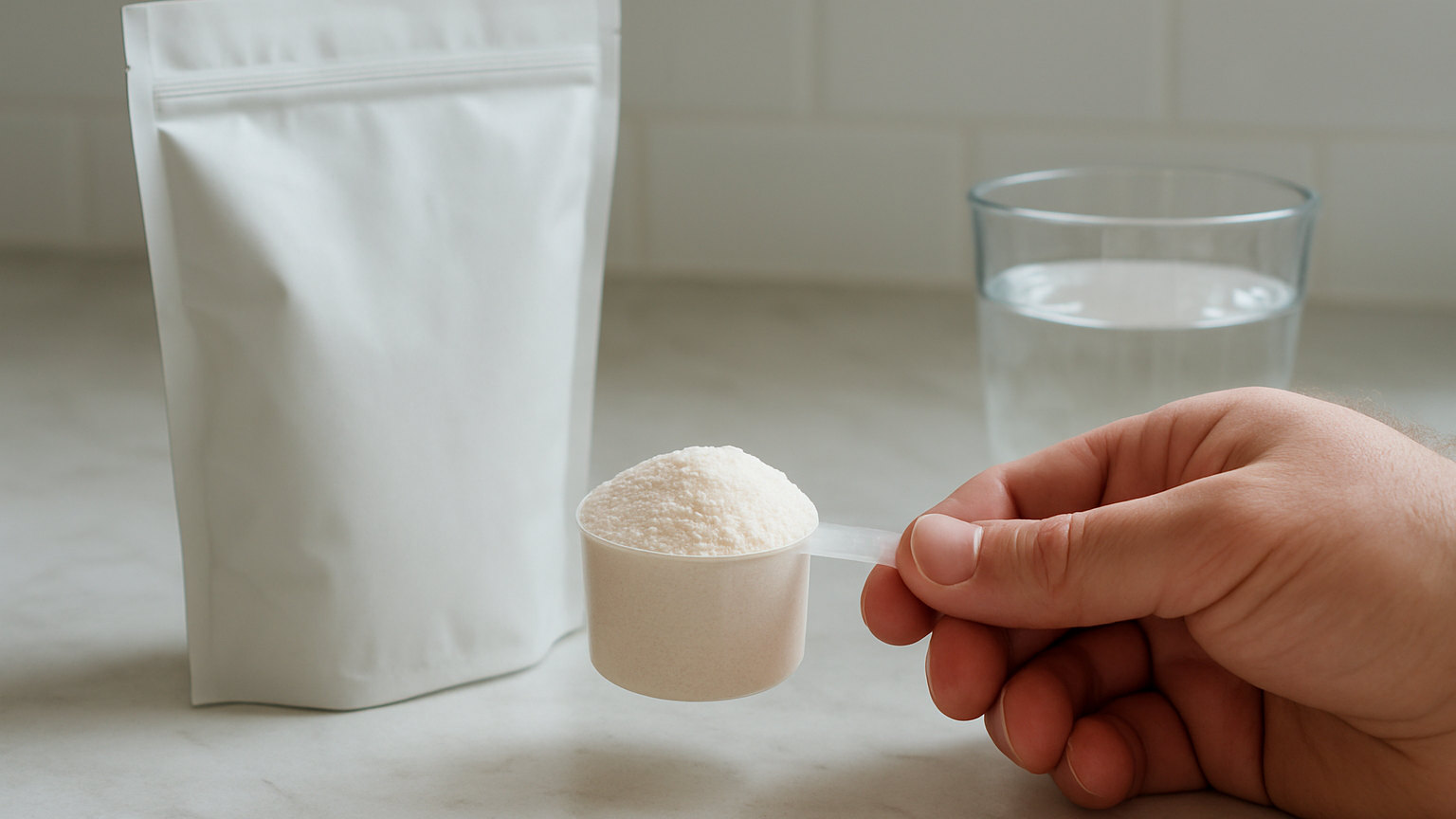
Valerian root is the best known herbal sleep remedy in Europe and one of the most studied, with results that remain difficult to interpret.
What is valerian root?
The root of Valeriana officinalis, used as a sedative in European herbal medicine for centuries.
Valerian root has a strong and distinctive smell that many people find unpleasant, which is worth knowing before buying loose root or tea.
What do people take it for?
Difficulty falling asleep and poor sleep quality, which is by far the main use.
Mild anxiety and restlessness, often in combination products with passionflower, hops and lemon balm.
What does the research show?
Meta-analyses have found that valerian root improves subjective sleep quality, meaning how people rate their own sleep.
Objective measures including sleep laboratory recordings have shown smaller and less consistent changes.
Reviewers have noted considerable variation between preparations, which complicates pooling the results.
Why might subjective and objective findings differ?
Because how rested someone feels is not identical to what a recording shows, and both matter.
Expectation also contributes substantially to sleep outcomes, which is why placebo controlled trials are essential here.
How long does it take?
Unlike sleeping tablets, valerian root is generally described as needing two weeks or more of consistent use before effects appear.
Trials have typically run four weeks or longer.
What dose is used?
Commonly 300 to 600 milligrams of extract taken an hour or two before bed.
Preparations differ considerably, and registered products state their dosing clearly.
What should it not be combined with?
- Sleeping tablets and benzodiazepines
- Alcohol
- Opioid painkillers and other sedating medicines
- Other sedating supplements, which combination products stack
Valerian root is also generally stopped before surgery because of possible interactions with anaesthesia.
What are the side effects?
Daytime drowsiness, headache and, in some people, a paradoxical stimulating effect.
Rare reports of liver reactions exist, mostly involving combination products where attribution is difficult.
What has better evidence for insomnia?
Cognitive behavioural therapy for insomnia is the recommended first line treatment and has strong evidence.
Consistent sleep timing, reducing caffeine and limiting alcohol all matter more than any supplement.
When should you see a GP?
Insomnia lasting more than a few weeks, daytime impairment, or snoring with daytime sleepiness suggesting sleep apnoea.
Is it worth trying?
Valerian root is low risk for most people and worth a fair trial of a few weeks if sleep hygiene is already in place.
It is not a substitute for treating persistent insomnia properly.
What is the summary?
Valerian root is the most used herbal sleep remedy, improves how people rate their sleep more reliably than what recordings show, and takes weeks.
This article is general information and not medical advice.
Does it cause dependence?
No dependence has been established, unlike some prescribed sleeping tablets.
That is one of the reasons valerian root remains popular despite the modest evidence.
What should you check on a label?
The extract strength and whether the product carries a traditional herbal registration.
Combination products make it impossible to attribute any effect to valerian root specifically.
Who might it suit?
Someone with mild sleep difficulty who has already addressed caffeine, alcohol and sleep timing.
It should not be combined with alcohol or sedating medicines.
What should you expect?
A modest improvement in how rested you feel, appearing over a couple of weeks rather than the first night.
The smell is the other thing to expect.
What does valerian illustrate?
That subjective and objective measures can diverge, and that both tell you something worth knowing.
How rested someone feels matters even where a recording shows little change.
Trials measuring only one of the two give an incomplete picture.
Anyone struggling with sleep for more than a few weeks should ask a GP about cognitive behavioural therapy for insomnia.
It is the recommended first line treatment and is available in several formats.
Valerian root remains a reasonable low risk option for mild sleep difficulty.
It is not a treatment for chronic insomnia, which has better options.