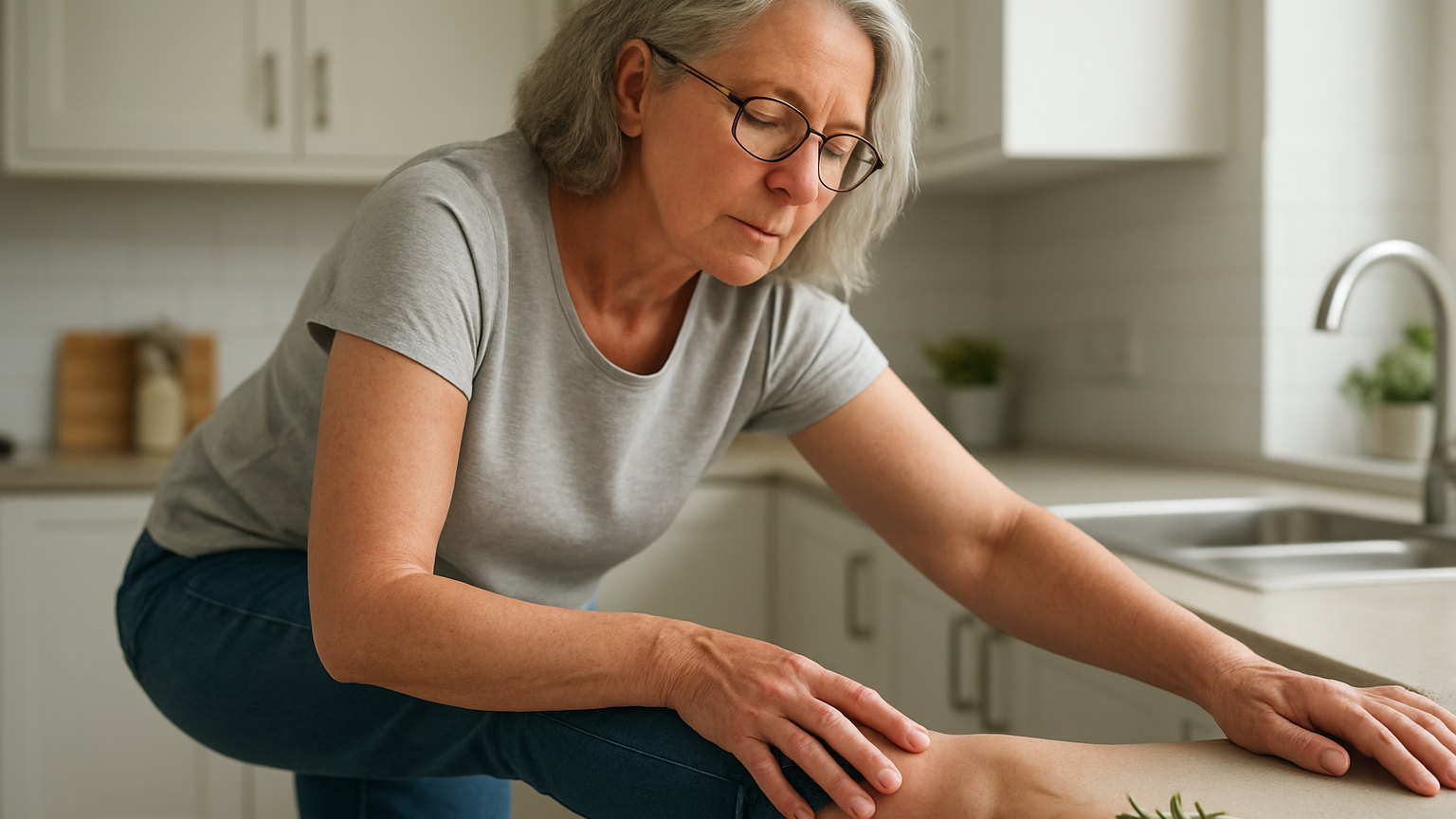
Active recovery means light activity in place of complete rest, on the reasoning that gentle movement aids the recovery process. The evidence is modest and the practice is harmless.
What is the traditional rationale?
That light exercise increases blood flow, clearing metabolic by-products and delivering nutrients to recovering tissue.
The lactate clearance version of this is technically correct and practically irrelevant, since lactate clears within about an hour regardless and has nothing to do with soreness days later.
The blood flow argument is more plausible, though demonstrating that it improves recovery outcomes has proved difficult.
What does the research show?
Studies comparing active recovery with passive rest have produced mixed findings.
Active recovery appears to help within a session or between closely spaced bouts, where lactate clearance and readiness for the next effort matter.
For recovery over days, effects on soreness and function have been small and inconsistent.
Does it help soreness?
Many people report that light movement eases stiffness temporarily, which is a common and genuine experience even if the mechanism is unclear.
Whether it speeds the underlying recovery or simply feels better at the time is unclear, and for most people the distinction matters little.
What counts as active recovery?
- Easy walking or cycling at conversational intensity
- Swimming or water based activity
- Light mobility work through comfortable ranges
- Gentle yoga or similar
- Ordinary daily activity and movement
The key feature is that it should be genuinely easy. Active recovery performed at moderate intensity becomes another training session.
Is complete rest ever better?
When you are genuinely fatigued, ill or accumulating more load than you are recovering from.
The risk with active recovery is that it creeps upward in intensity until rest days are no longer restful, which defeats the purpose.
Does it interfere with adaptation?
No evidence suggests light activity does. This distinguishes it from cold water immersion, and active recovery has been used as the comparison in several studies showing cold water blunting adaptations.
What about general daily movement?
Ordinary walking and daily activity contribute to overall health, energy expenditure and probably to feeling better on rest days.
Sitting completely still is not required for recovery and is unlikely to improve it, so a rest day need not mean an inactive one.
What is the summary?
Light activity is pleasant, harmless and modestly helpful for stiffness. Just keep it light enough that it does not become training.
This article is general information and not medical advice.
Does it help mentally?
Many people find a light session on a rest day helps mood and routine without adding fatigue.
That psychological benefit is legitimate, provided it does not become a reason to avoid genuine rest.
How light is light enough?
You should be able to hold a conversation comfortably throughout. If you are breathing hard or feeling effort, it has become training.
Using a heart rate cap or simply keeping it conversational is a reliable way to stay in the right zone.
What is the summary?
Light movement eases stiffness, does not interfere with adaptation and is pleasant. The main risk is letting it become another training session.
Does it help between events?
This is where it has the clearest support. Light activity between closely spaced bouts appears to aid readiness for the next effort.
Its value over days rather than minutes is much less clear.
What about walking generally?
Daily walking contributes to overall health and energy expenditure and is unlikely to compromise recovery from training at any reasonable volume.
Treating rest days as days of complete immobility is neither necessary nor helpful.
The simplest approach is to treat rest days as days for ordinary living rather than for structured recovery work.
The convenience argument is legitimate and worth separating from the nutritional claims that usually accompany these products.
Nothing about light activity conflicts with the rest of a recovery approach, which makes it an easy addition if you enjoy it.