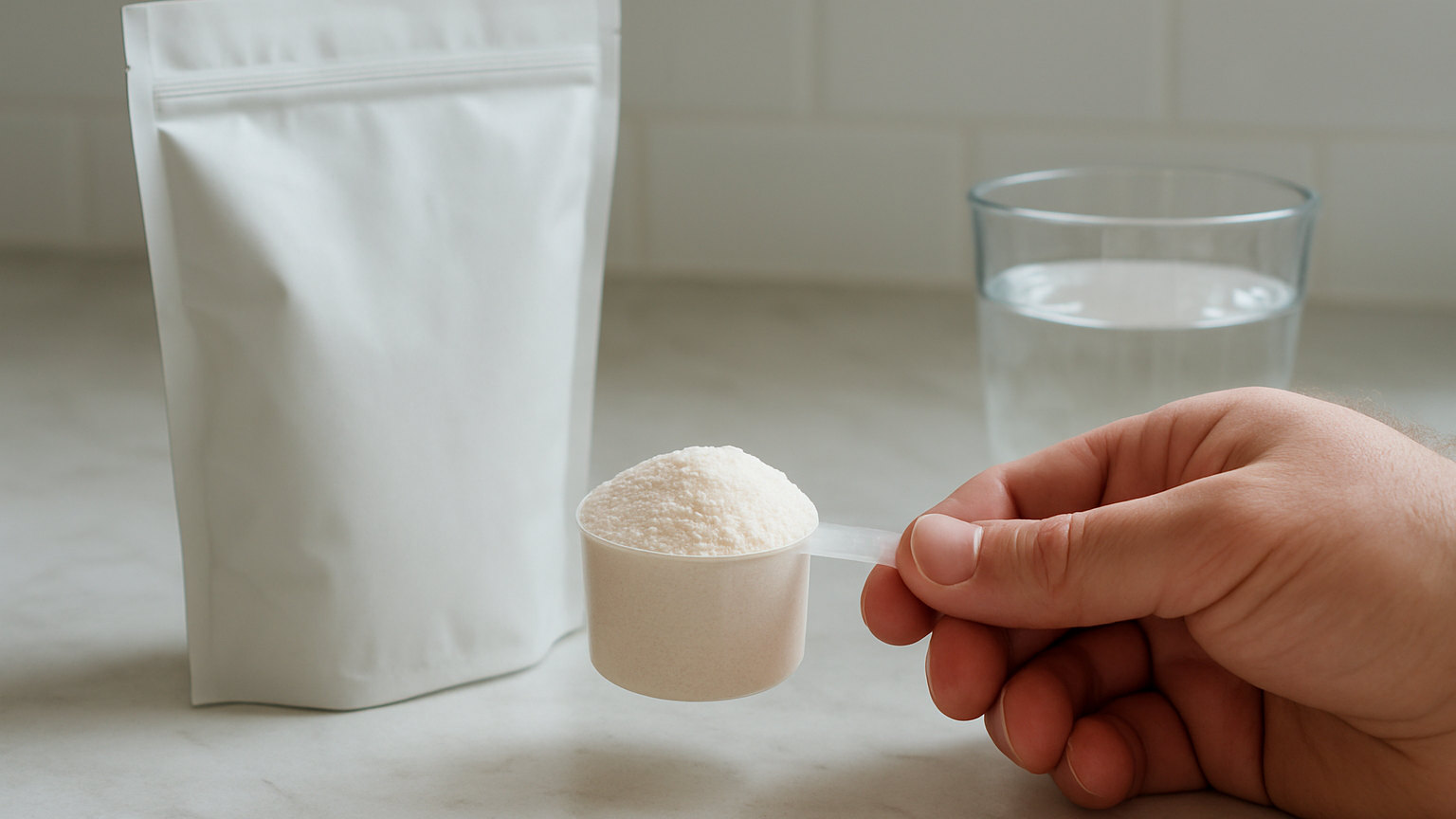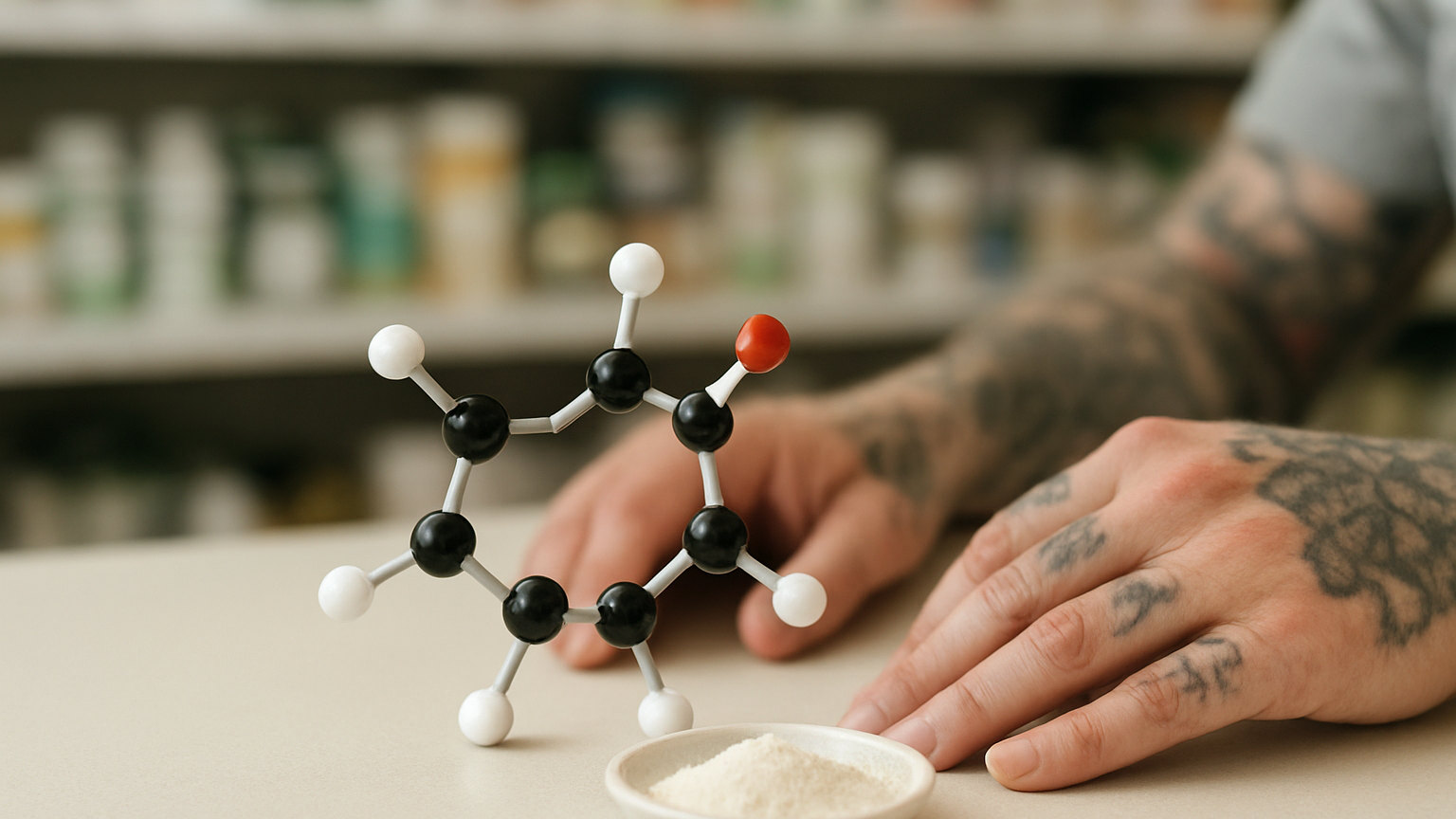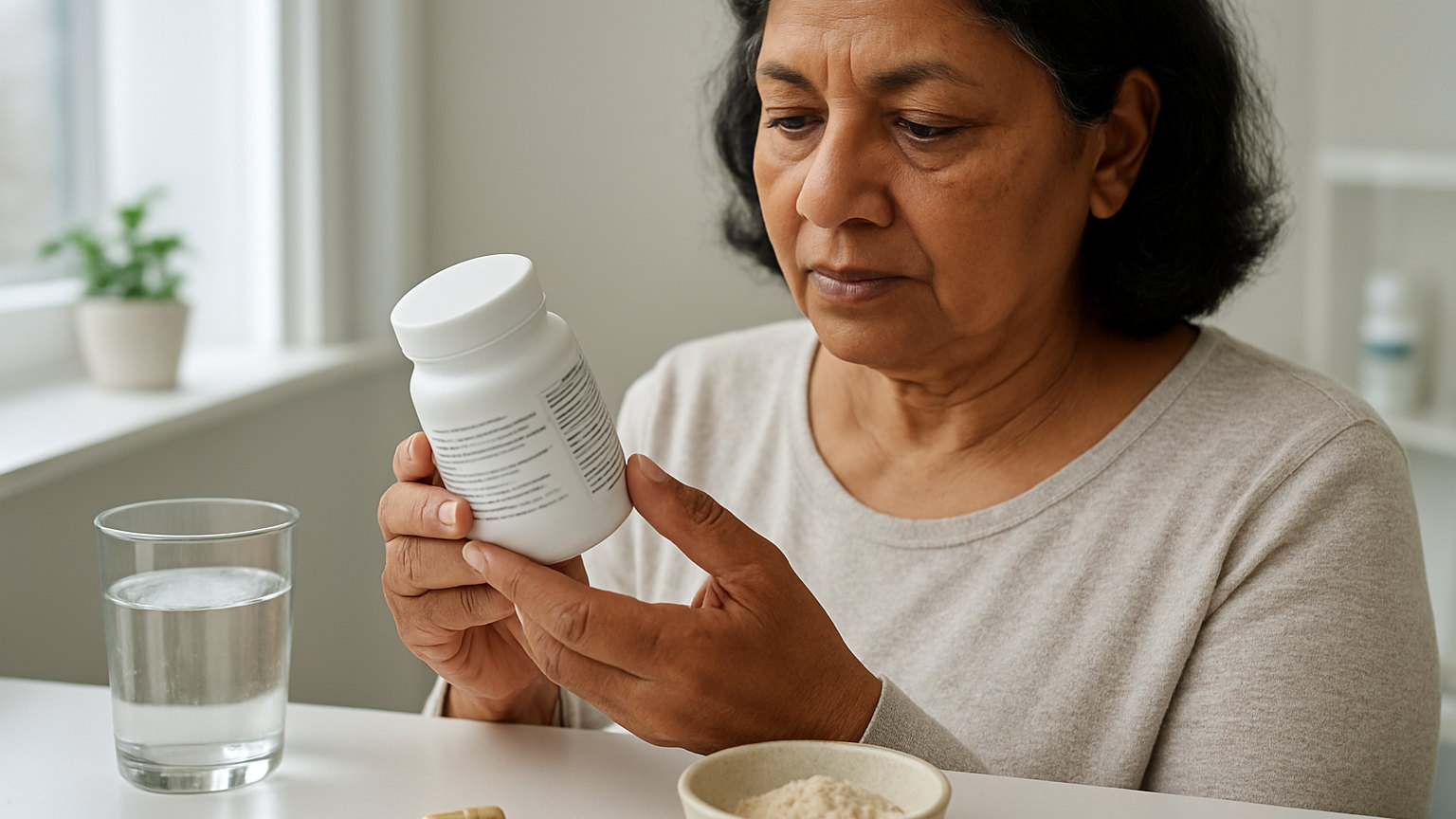
Protein powder labels are constructed to make comparison difficult. Serving sizes vary, percentages are quoted inconsistently, and the headline price tells you little about value.
What does the protein percentage mean?
The proportion of the powder that is protein by weight. Whey concentrate is typically 70 to 80 per cent, isolate 90 per cent or more.
The complication is that some labels quote percentage of the dry protein source before flavourings and additives are added, which inflates the apparent figure.
The reliable number is grams of protein per serving alongside the serving size, from which you can calculate the actual percentage yourself.
Why do serving sizes vary?
Because they are chosen by the manufacturer, and a larger serving makes the protein content per serving look better.
A product advertising 30 grams of protein per serving with a 40 gram scoop is a 75 per cent product. One advertising 24 grams with a 26 gram scoop is over 90 per cent.
Always divide protein grams by serving grams.
How should you compare price?
By cost per kilogram of actual protein rather than per kilogram of powder or per tub.
Multiply the tub weight by the protein percentage to get grams of protein, then divide the price by that figure. This frequently reverses which product appears better value.
A cheap tub at 65 per cent protein can work out more expensive than a pricier one at 90 per cent.
What is amino spiking?
A practice where cheap free amino acids such as glycine, taurine or creatine are added to inflate the measured protein content.
Protein content is often measured by nitrogen content, and these compounds contain nitrogen without contributing usefully to muscle protein synthesis.
It has become less common following industry attention, and checking the ingredient list for free amino acids listed near the protein source remains worthwhile.
What should the ingredient list show?
- The protein source first, since ingredients are listed by descending weight
- Whether concentrate or isolate is listed first in a blend
- Flavourings, sweeteners and thickeners, which affect tolerance
- Any added amino acids, which may indicate spiking
- Allergen information, particularly milk and soya
What do the marketing terms mean?
Terms such as premium, advanced, ultra and pro have no regulatory meaning. Grass fed and cold filtered describe production methods with no demonstrated nutritional advantage for the finished protein.
Native whey, extracted directly from milk rather than as a cheese by-product, is a genuine distinction with no established practical benefit.
What certifications matter?
Informed Sport and similar programmes involve batch testing for banned substances, which matters for competitive athletes and offers general quality assurance.
These programmes focus on contamination with prohibited substances rather than on protein content accuracy or heavy metals specifically.
What is the practical checklist?
Divide protein by serving size, calculate cost per kilogram of protein, check the first ingredient, and check for added free amino acids.
Those four checks take a minute and will tell you more than any front of pack claim. This article is general information and not medical advice.
What about protein content in other products?
The same arithmetic applies to protein bars, drinks and enriched snacks. Many contain modest protein for a high price and a substantial calorie load.
Comparing them against a scoop of powder or a pot of Greek yoghurt on cost per gram usually makes the comparison unflattering.
How reliable are the stated figures?
Generally reasonable from established manufacturers, since labelling is regulated and enforcement does occur.
Independent testing has occasionally found discrepancies between labelled and actual protein content, which is one argument for buying from larger manufacturers with established quality systems.
What is the summary?
Ignore the front of the packet. Protein per serving, serving size, first ingredient and cost per kilogram of protein tell you everything that matters.
Labels are designed to be compared favourably rather than accurately, and a minute of arithmetic reliably reveals which products are genuinely good value.