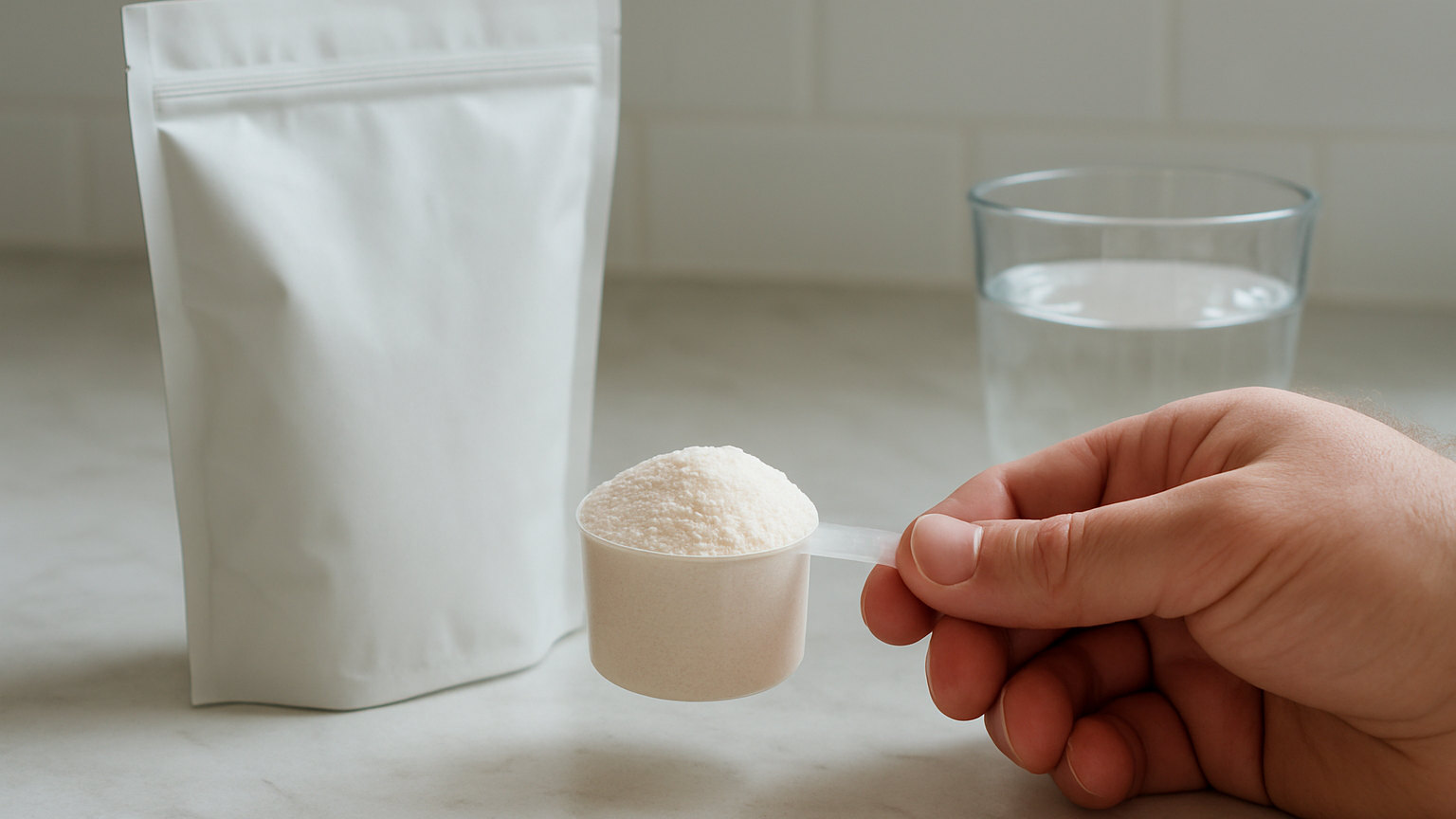
Fenugreek appears in sports supplements, blood sugar products and breastfeeding remedies, which is an unusually wide range for one seed.
What is fenugreek?
The seed of Trigonella foenum-graecum, a legume used as a spice in South Asian and Middle Eastern cooking.
Fenugreek is a legume, which matters for anyone with peanut or chickpea allergy, since cross reactivity has been reported.
What do people take it for?
Blood sugar control, which has the most supporting research.
Increasing breast milk supply, where it is among the most widely used herbal galactagogues.
Testosterone and libido, which is how it appears in sports and male health products.
What does the blood sugar research show?
Meta-analyses have reported reductions in fasting glucose and HbA1c with fenugreek in people with diabetes.
Effects are modest, and the trials are mostly small.
The soluble fibre content may explain part of the effect through slowed carbohydrate absorption.
What about the testosterone claim?
Several small trials of standardised fenugreek extracts have reported increases in testosterone or in sexual function scores.
Most were funded by the manufacturers of the specific extracts tested, and independent replication is limited.
Effects reported are modest, and this is not a substitute for assessment if you have symptoms of low testosterone.
What about milk supply?
Evidence is weak and inconsistent, with reviews finding insufficient support.
Milk supply concerns are better addressed by feeding frequency, positioning and specialist support than by supplements.
Why should it be avoided in pregnancy?
Fenugreek has traditional use as a uterine stimulant and has been used to help induce labour.
Medicinal doses are therefore not appropriate during pregnancy, though culinary use as a spice is a different matter.
What are the side effects?
- A maple syrup smell to sweat and urine, which is harmless and surprising
- Digestive upset, wind and diarrhoea
- Allergic reactions, particularly in people with legume allergies
- Possible worsening of asthma in sensitive individuals
What are the interactions?
Diabetes medication, where the glucose lowering effects are additive.
Anticoagulants, since fenugreek may affect bleeding.
Its fibre content may also reduce absorption of medicines taken at the same time.
What should you look for on a label?
Whether it is whole seed powder or a standardised extract, since these differ substantially in strength.
Trials on testosterone used specific branded extracts rather than plain seed powder.
Is it worth taking?
For blood sugar, only alongside proper diabetes care and with the team informed.
For testosterone, the evidence does not support the marketing.
What is the summary?
Fenugreek is taken for blood sugar, milk supply and testosterone, with the first having the best support and the third the weakest.
This article is general information and not medical advice.
How much is used in cooking?
Culinary quantities in curries and spice blends are small and carry none of the concerns that supplement doses raise.
The distinction between food use and supplement dosing runs through this whole category.
Who should avoid it?
Anyone pregnant, anyone with a legume allergy, and anyone on anticoagulants without checking.
People with diabetes should involve their team rather than adding it independently.
Who might it suit?
Someone with type 2 diabetes whose team knows they are taking it, monitoring their glucose accordingly.
For testosterone the evidence does not justify the purchase.
What should you check on a label?
Whether it is seed powder or a standardised extract, and which extract if a trial is being cited.
Those are different products at different strengths.
What does fenugreek illustrate?
That one plant can be marketed simultaneously for diabetes, breastfeeding and testosterone, with the evidence differing enormously between them.
Reading which claim a trial actually supported is worth doing.
Product marketing rarely makes that distinction.
A pharmacist can advise on whether fenugreek is suitable alongside your medicines.
Anyone with a peanut or chickpea allergy should be particularly careful.
Fenugreek is worth treating as an active substance rather than a kitchen spice at supplement doses.
The pregnancy caution is the most important of these.