A complete protein contains all nine essential amino acids in proportions adequate to meet human requirements. The concept is useful and has been substantially overstated in popular nutrition.
What are essential amino acids?
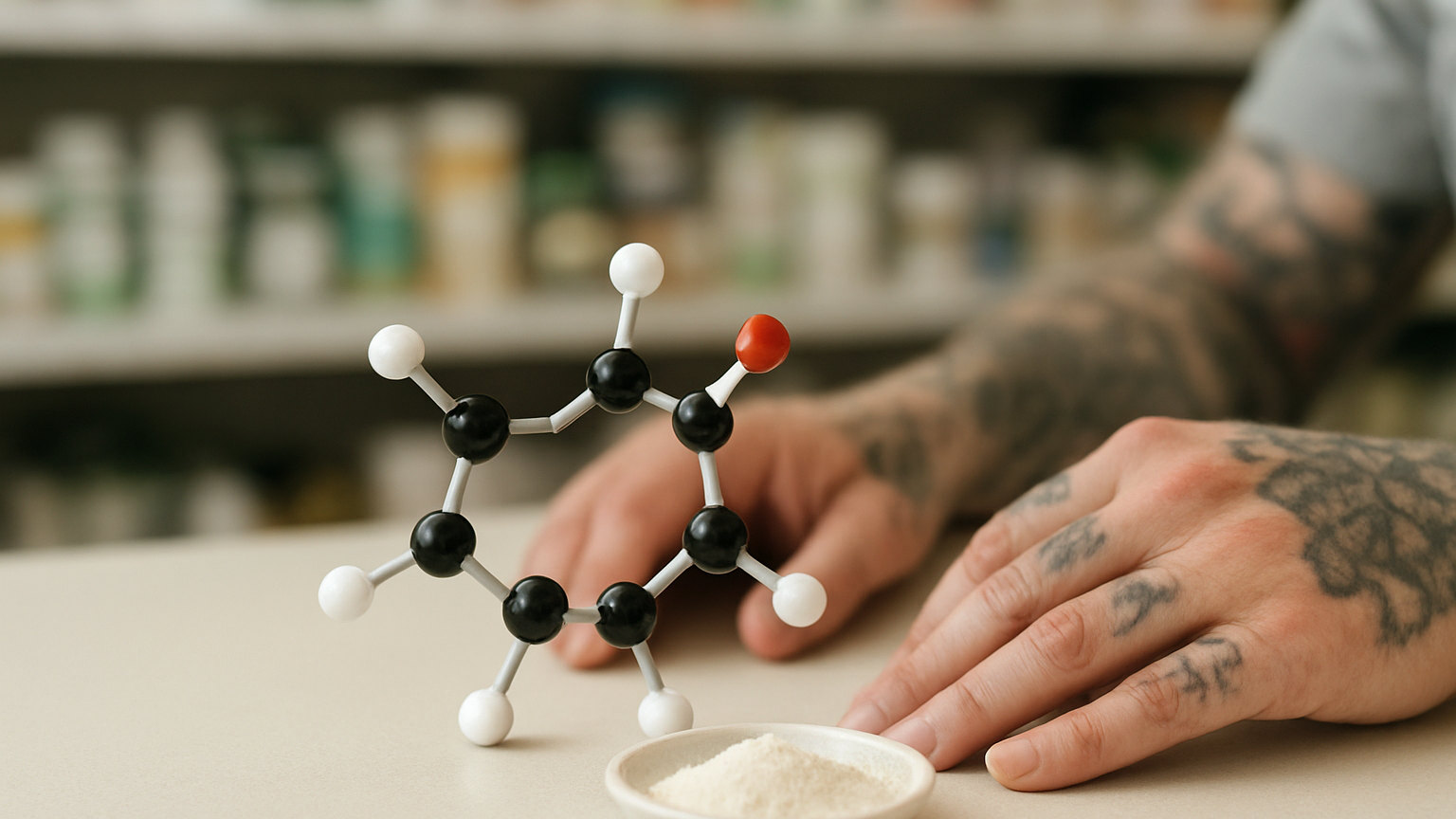
Nine amino acids the body cannot make and must obtain from food: histidine, isoleucine, leucine, lysine, methionine, phenylalanine, threonine, tryptophan and valine.
The others can be synthesised from what is available, so they are not required in the diet directly.
Leucine has particular relevance for muscle, since it acts as the main trigger for muscle protein synthesis rather than only as a building block.
Which foods are complete?
- Meat, fish, poultry, eggs and dairy, all complete
- Soya in all forms, including tofu, tempeh and soy protein
- Quinoa, which is complete though modest in total protein
- Buckwheat and hemp seeds
Most other plant proteins are limiting in at least one amino acid, meaning they contain it in a lower proportion than the body needs.
What are the common limitations?
Legumes including beans, lentils and peas are relatively low in methionine. Grains including wheat, rice and maize are relatively low in lysine.
These complement each other neatly, which is why traditional cuisines worldwide pair beans with rice, lentils with wheat, and similar combinations.
Do you need to combine at every meal?
No, and this is the part that was overstated. The idea that plant proteins must be combined within a single meal was widely promoted in the 1970s and has since been abandoned.
The body maintains a pool of free amino acids and can draw on amino acids from earlier meals to complete a protein eaten later.
Eating varied protein sources across a day is sufficient, and combining within a meal offers no additional benefit.
When does completeness still matter?
When total protein intake is marginal, or when relying heavily on a single limited source. Someone eating adequate mixed protein is not going to be limited by methionine.
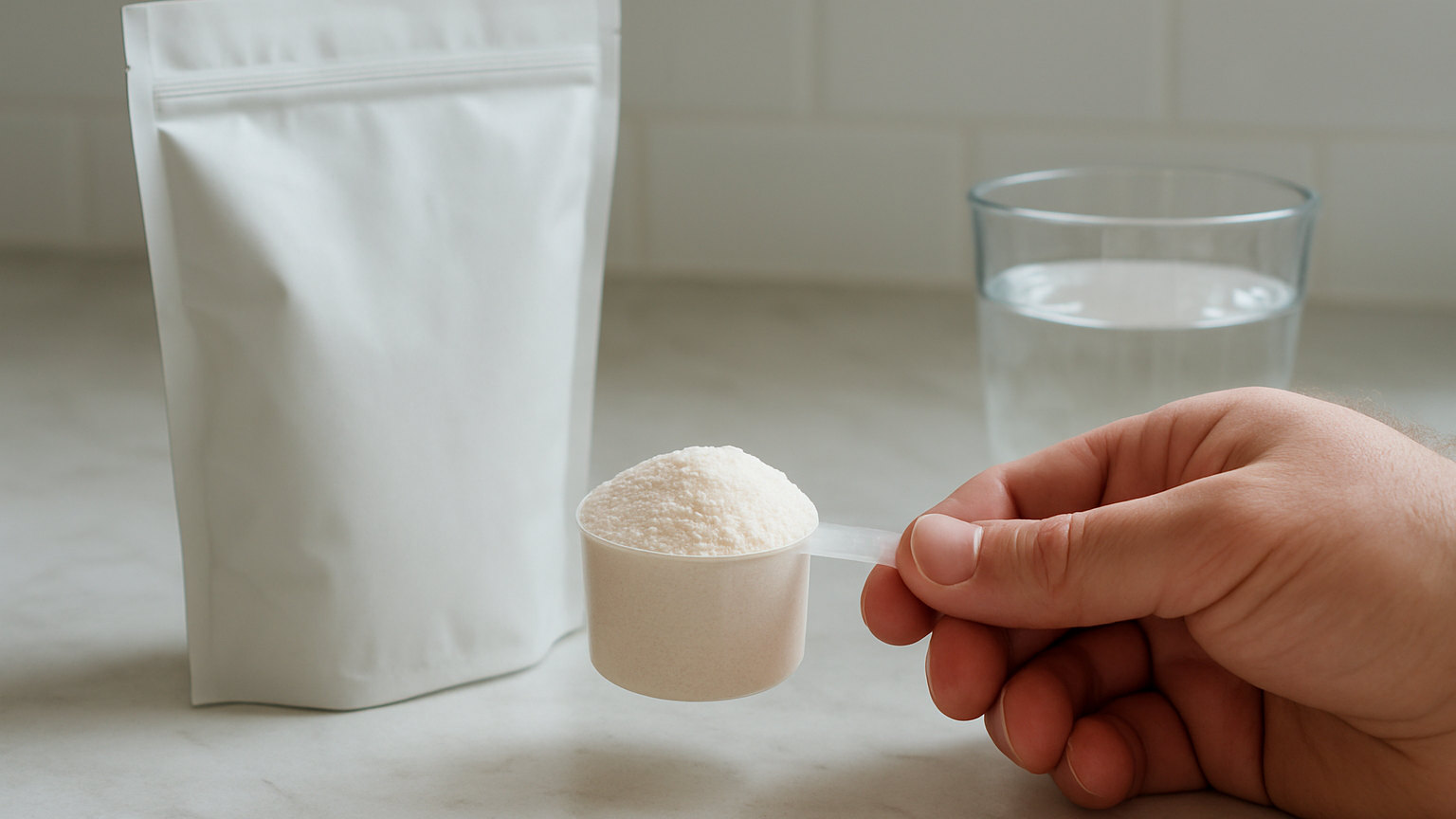
It also matters for protein powders specifically, since a single source pea or rice powder used as the main protein addition is worth pairing or blending.
How is protein quality measured?
Several systems exist. The protein digestibility corrected amino acid score compares amino acid content against requirements and adjusts for digestibility.
A newer measure, the digestible indispensable amino acid score, assesses digestibility of individual amino acids and is considered more accurate, though less widely reported.
Animal proteins generally score higher on both systems, with soy the strongest plant performer and close enough to be practically comparable at adequate intakes.
Does it matter for muscle specifically?
Leucine content is the most relevant factor, since it drives the synthesis response. Whey is around 10 to 11 per cent leucine, soy around 8, and pea around 7 to 8.
Slightly larger servings of plant protein compensate for this.
What is the practical summary?
Eat varied protein sources across the day and stop worrying about combining at each meal. If using a single source plant powder, choose soy or a blend.
This article is general information and not medical advice.
Does cooking affect protein quality?
Cooking generally improves digestibility by denaturing proteins and deactivating compounds that inhibit digestion, particularly in legumes and eggs.
Very high heat over prolonged periods can reduce the availability of some amino acids, particularly lysine, though this matters mainly in industrial processing rather than home cooking.
Do the scoring systems matter practically?
Less than they appear to. They are useful for comparing isolated proteins and for populations where protein intake is marginal.
For someone eating adequate mixed protein in a developed country, the scores describe differences that are unlikely to affect anything measurable.
What is the summary?
Completeness matters when protein intake is marginal or narrowly sourced. For most people eating varied food, it is a technical distinction rather than a practical constraint.
The abandonment of strict protein combining is one of the clearer examples of nutrition advice being corrected, and it made plant based eating considerably simpler in the process.