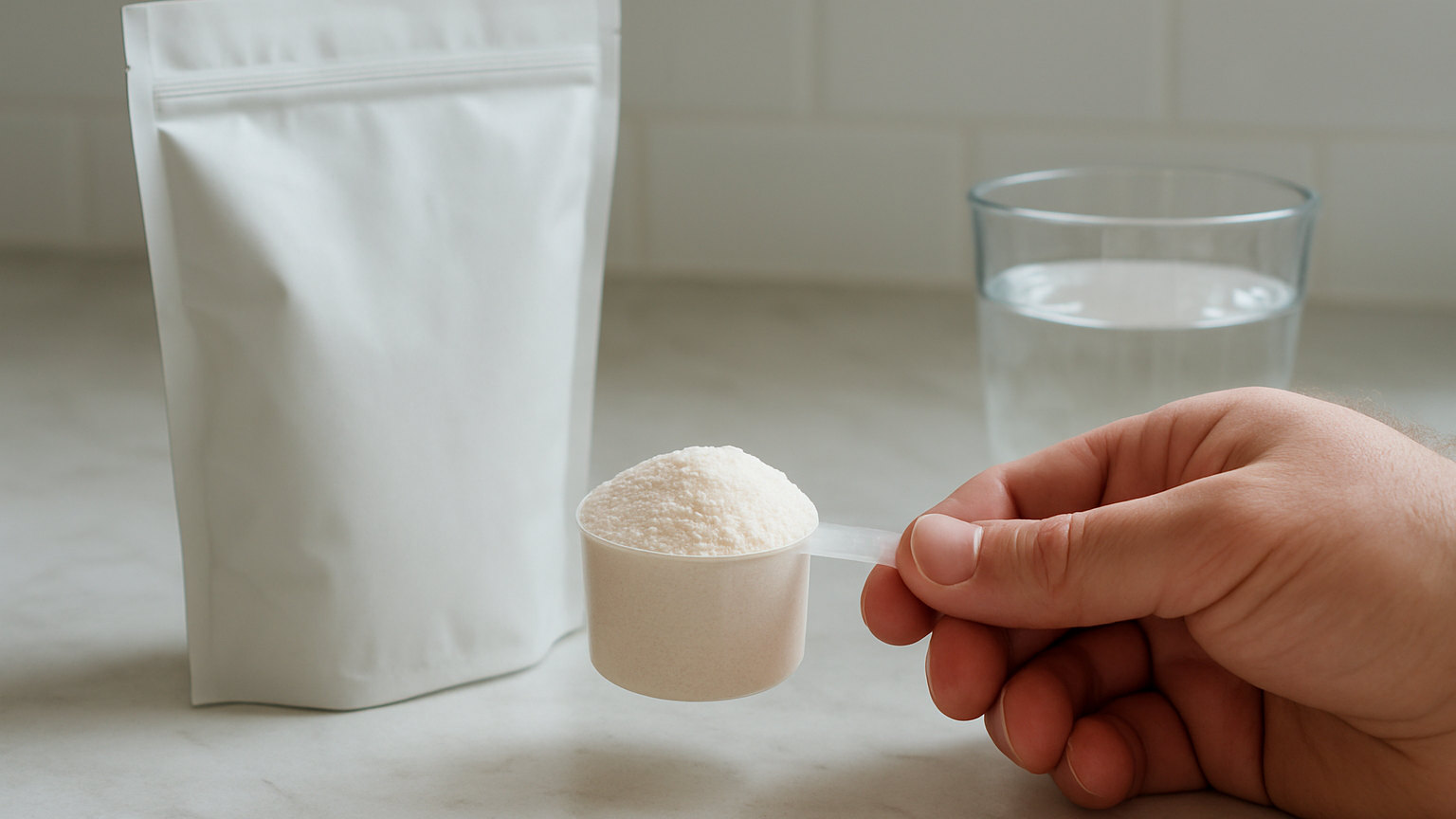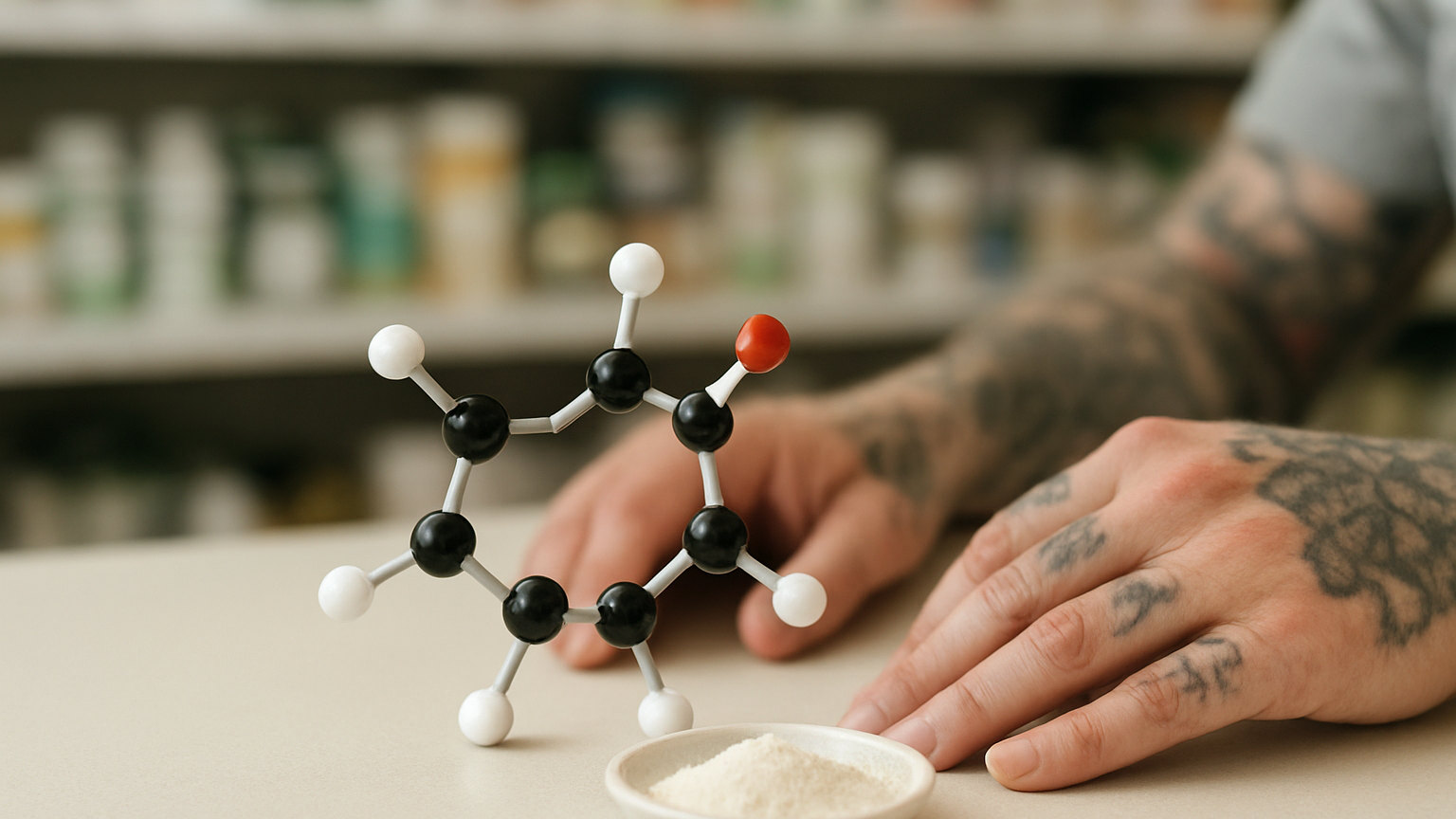
Whey is generally described as the superior protein source, and on paper it is. Whether that superiority translates into different results in practice depends heavily on how much total protein you are eating.
What makes whey better on paper?
Two things. Its amino acid profile closely matches human requirements, and it is unusually high in leucine, the amino acid that triggers muscle protein synthesis.
Whey contains roughly 10 to 11 per cent leucine by weight, compared with around 8 per cent for soy and 7 to 8 per cent for pea.
It is also digested rapidly, producing a sharp rise in blood amino acids that stimulates a strong muscle protein synthesis response.
Where do plant proteins fall short?
Most individual plant proteins are limiting in one essential amino acid. Pea protein is relatively low in methionine, rice protein is low in lysine, and most legumes are low in methionine.
Soy is the exception, being complete and reasonably high in leucine, which is why it performs better in comparison studies than other plant sources.
Plant proteins also tend to have slightly lower digestibility, meaning less of what you eat is actually absorbed and used.
What do the trials show?
Studies comparing soy with whey have generally found whey producing a somewhat greater acute muscle protein synthesis response.
Longer trials measuring actual muscle gain over weeks have found smaller differences, and several have found no significant difference when total protein intake was adequate.
Trials of pea protein against whey in resistance training have reported comparable increases in muscle thickness and strength.
Why does total intake matter so much?
Because amino acid profile matters most when protein intake is marginal. If you are eating plenty, the shortfalls in individual plant proteins are filled by everything else in your diet.
Someone eating 120 grams of mixed plant protein daily is unlikely to be limited by methionine, since different foods complement each other over the course of a day.
How can plant protein be improved?
- Blends, particularly pea and rice, which complement each others limiting amino acids
- Soy, which is complete and closest to whey in profile
- Slightly higher doses, to compensate for lower leucine content
- Eating varied protein sources across the day rather than relying on one
Many commercial plant powders now use blends specifically for this reason, and some add extra leucine.
What are the practical differences?
Whey mixes more smoothly, tastes better to most people and is generally cheaper per gram of protein. Plant powders can be gritty or chalky, though formulations have improved considerably.
Plant protein suits anyone avoiding dairy, whether for ethical reasons, lactose intolerance or because whey causes bloating.
Is one better for weight loss?
Neither has a clear advantage. Protein generally increases satiety and preserves lean mass in a deficit, and the source matters less than the amount.
Which should you choose?
Whichever you will use consistently and can afford. If you eat dairy and want the most efficient option, whey. If you avoid dairy or prefer plant products, a soy or pea and rice blend at a slightly higher dose works well.
Total daily protein matters far more than which powder supplies part of it. This article is general information and not medical advice.
Does digestion speed matter?
Whey digests faster than most plant proteins and than casein, producing a sharper rise in blood amino acids. That produces a stronger acute response.
Whether that acute difference accumulates into more muscle over months is much less clear, and the longer trials suggest it largely does not when total intake is matched.
What about cost and practicality?
Whey is generally cheaper per gram of protein than plant alternatives and mixes more easily. Plant powders have narrowed the gap on both counts in recent years.
For someone who tolerates dairy poorly, the practical benefit of a plant powder outweighs the marginal difference in amino acid profile.
What is the honest summary?
Whey is the more efficient protein and plant sources work perfectly well at slightly higher doses. Neither choice will make or break your results if total intake is adequate.
Choose on tolerance, taste, ethics and price, since those are the differences you will actually notice.