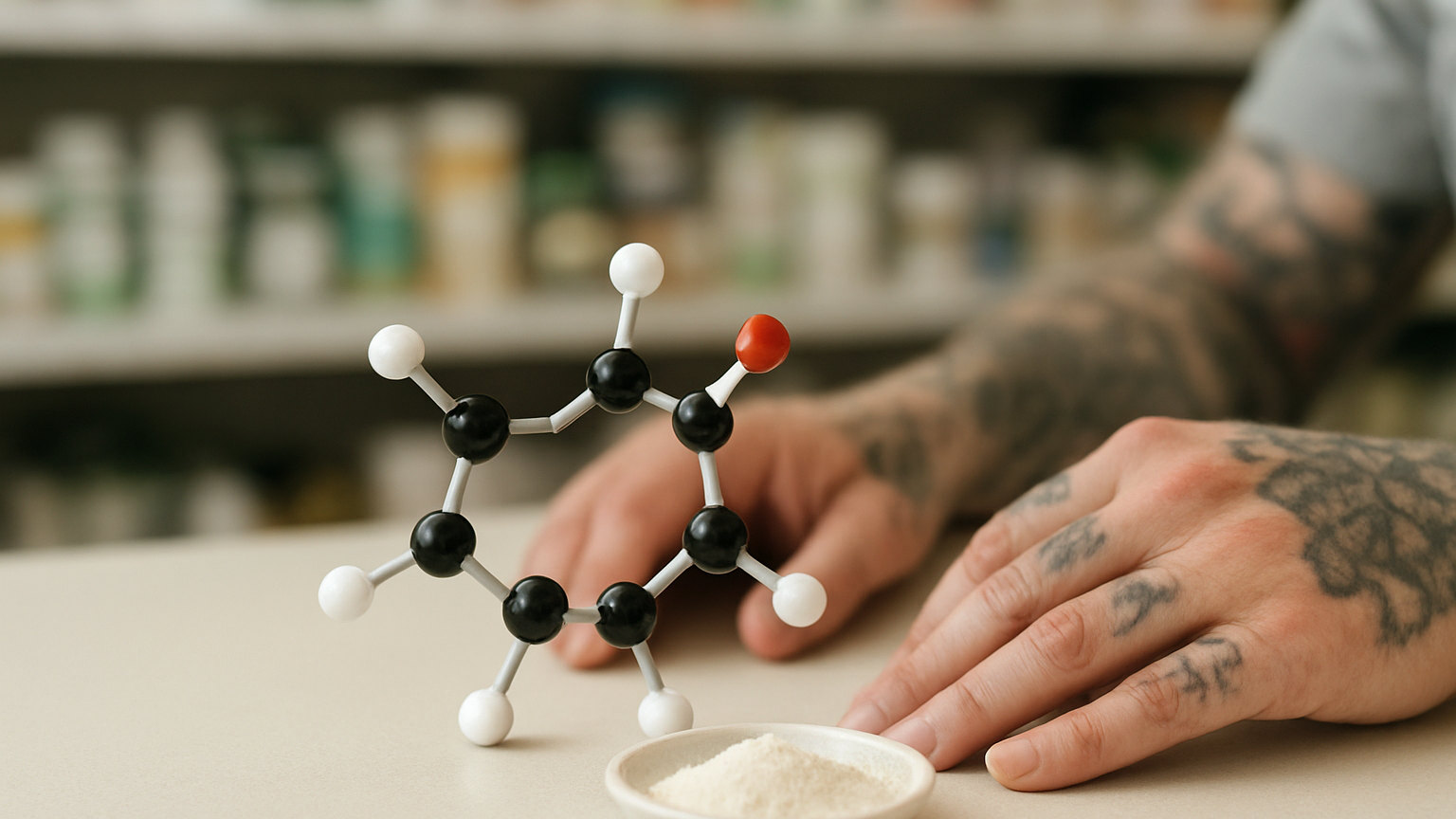
The idea that high protein intake damages the kidneys is among the most persistent concerns about protein supplements. In people with healthy kidneys, the evidence does not support it.
Where did the concern originate?
From the management of existing kidney disease. People with reduced kidney function are often advised to limit protein, since the kidneys must excrete the nitrogen from protein breakdown.
That advice was then extrapolated to healthy people, which is a different situation entirely. Advice appropriate for a damaged organ does not necessarily apply to a working one.
What does the evidence show?
A meta-analysis examining higher protein diets and kidney function in healthy adults found no adverse effect on glomerular filtration rate, the standard measure of kidney function.
Studies following resistance trained individuals consuming high protein diets over months have not found deterioration in kidney markers.
One trial followed participants eating well above 3 grams per kilogram daily for a year and found no adverse changes in kidney or liver function.
What about the hyperfiltration argument?
High protein intake does increase glomerular filtration rate, meaning the kidneys work harder. This is often presented as evidence of strain.
The alternative interpretation is that this is a normal adaptive response, in the same way that exercise increases cardiac output without damaging the heart.
There is no evidence that this adaptation causes damage in people with normal kidney function over the timescales studied.
Who genuinely should limit protein?
- People with chronic kidney disease, particularly at more advanced stages
- Those with a single kidney, depending on function
- People with certain inherited metabolic conditions
- Anyone whose doctor has specifically advised protein restriction
These groups should follow the specific advice they have been given rather than general recommendations.
Does protein affect anything else?
High protein intake increases calcium excretion in urine, which raised concerns about bone health. Longer term studies have generally found neutral or positive effects on bone, since protein also supports bone formation.
People who form kidney stones may be advised to moderate animal protein, since it increases urinary calcium and reduces urinary citrate, both of which favour stone formation.
What about liver damage?
No evidence supports this in healthy people. The liver processes amino acids routinely and handles high intakes without difficulty.
People with existing liver disease may need protein adjustments under medical supervision.
Is there any upper limit?
No firm one has been established for healthy adults. Practical limits tend to be appetite, digestive comfort and displacement of other foods rather than organ damage.
What is the sensible position?
If your kidneys are healthy, protein intakes in the range used by athletes are not a concern. If you have kidney disease, follow your specific advice.
Anyone unsure about their kidney function can ask a GP, since it is measured by a routine blood test. This article is general information and not medical advice.
What about people with one kidney?
Guidance varies and depends on remaining function. Many people with a single functioning kidney have normal filtration and no restriction, though this is a question for a doctor rather than a general article.
Kidney donors are usually monitored afterwards, and any protein advice they receive comes from that monitoring rather than from general population guidance.
How would you know if there was a problem?
Kidney function is measured by a routine blood test alongside a urine test for protein. Both are commonly done as part of general health checks.
Kidney disease is often silent in its early stages, which is why testing rather than symptoms is how it gets identified, and why an assumption of healthy kidneys is worth checking.
What is the summary?
High protein does not damage healthy kidneys. The concern comes from advice for people who already have kidney disease, where it remains appropriate.
Where general caution is warranted is in people who have never had their kidney function checked, since early kidney disease is silent and reasonably common.