Of the various dietary manipulations promoted for weight loss, increasing protein has some of the better evidence behind it. Three separate mechanisms contribute, and none of them involves anything unusual.
How does protein affect appetite?
Protein is consistently the most satiating macronutrient, meaning it produces greater fullness per calorie than carbohydrate or fat.
The mechanisms involve effects on appetite hormones including GLP-1, peptide YY and ghrelin, alongside slower gastric emptying.
Studies allowing people to eat freely have found that higher protein diets reduce spontaneous calorie intake, without participants deliberately restricting.
What is the thermic effect?
Digesting and metabolising food costs energy, and protein costs considerably more than the others.
Roughly 20 to 30 per cent of protein calories are used in processing it, compared with around 5 to 10 per cent for carbohydrate and 0 to 3 per cent for fat.
The effect is real and modest, contributing perhaps 80 to 100 calories a day on a high protein diet, which is meaningful over months rather than transformative.
Why does muscle preservation matter?
Because weight lost in a calorie deficit includes both fat and lean tissue, and losing muscle reduces resting metabolic rate and physical function.
Higher protein intake during a deficit, particularly combined with resistance training, substantially reduces lean mass loss.
Studies in athletes losing weight have found that higher protein groups retained considerably more lean mass than lower protein groups at the same calorie intake.
How much is useful for weight loss?
Recommendations for weight loss with muscle preservation typically sit around 1.6 to 2.4 grams per kilogram of body weight, higher than general recommendations.
Some guidance suggests using target body weight or lean mass rather than current weight for people with substantial excess weight, which produces a more practical figure.
Does protein powder help specifically?
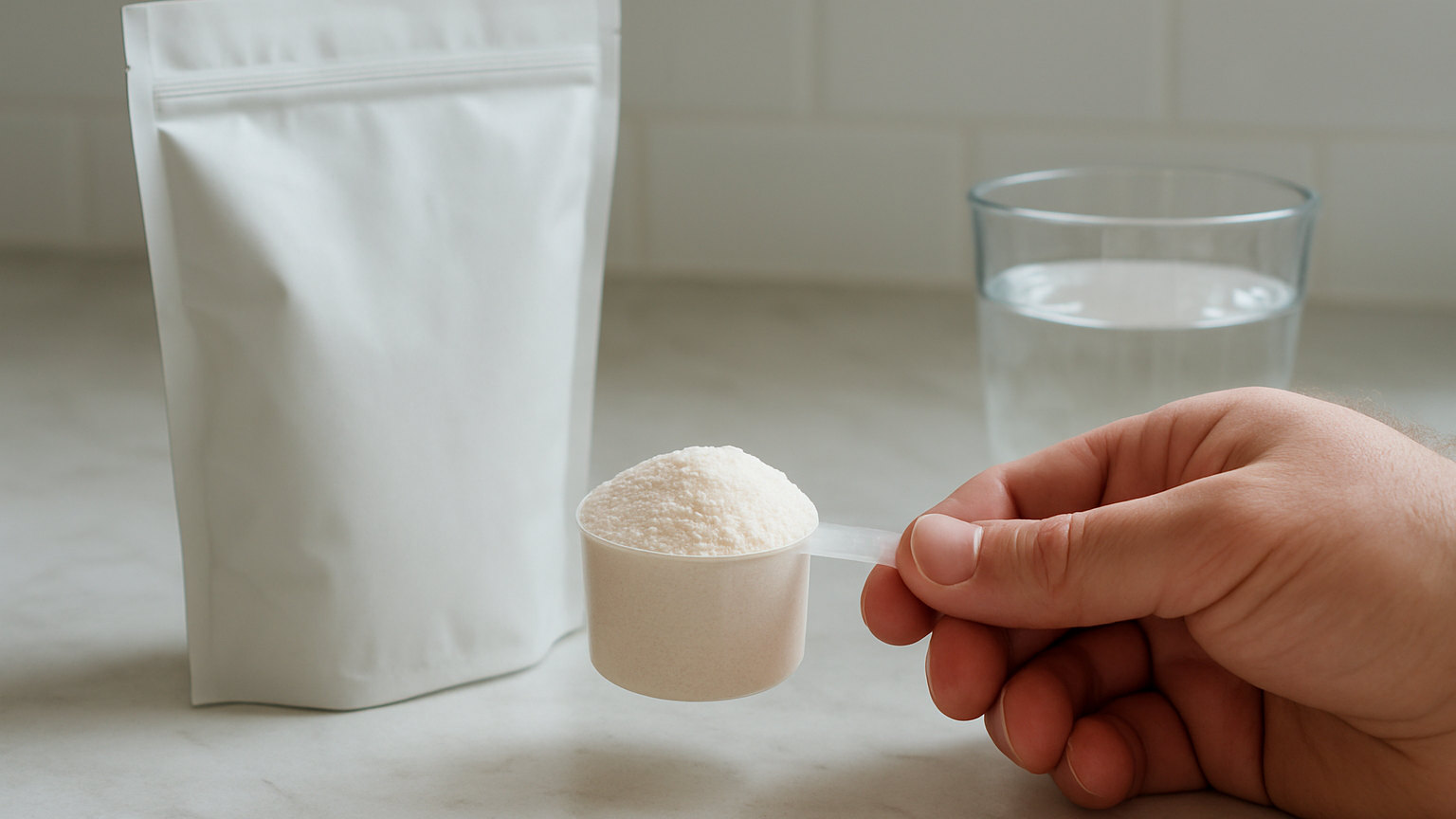
Only as a convenient way to reach the target. There is nothing about powder that promotes fat loss beyond its protein content.
A shake supplying 25 grams of protein for around 110 calories is an efficient way to add protein without much energy, which is genuinely useful in a deficit.
Adding shakes on top of existing intake without reducing elsewhere adds calories and will not help.
What about high protein products generally?
- Protein bars are often high in calories and sugar alcohols
- Protein enriched snacks frequently cost more for modest protein additions
- Ordinary foods such as Greek yoghurt, eggs, tuna and cottage cheese are cheaper
- The marketing of protein on products is often unrelated to their usefulness
Are there downsides?
Very high protein diets can displace fruit, vegetables and fibre if not planned. Digestive discomfort is common when increasing intake quickly.
People with kidney disease should discuss protein intake with a GP rather than following general advice.
What is the summary?
Higher protein helps with weight loss through fullness, energy cost and muscle preservation. It works alongside a calorie deficit rather than instead of one.
This article is general information and not medical advice.
Does it work without a calorie deficit?
Protein does not cause weight loss on its own. It makes a deficit easier to maintain by reducing hunger and preserves muscle while the deficit does the work.
Adding protein without reducing anything else simply increases total intake, which is why some people find higher protein diets do nothing for them.
Is resistance training necessary?
Not necessary and it substantially improves the outcome. Protein and resistance training together preserve far more lean mass during weight loss than either alone.
The combination changes what you lose rather than how much, which matters for how you look and function afterwards.
What is the summary?
Protein is genuinely useful for weight management through satiety, energy cost and muscle preservation. It supports a deficit rather than replacing one.
Of all the dietary changes marketed for weight loss, increasing protein is among the few with mechanisms that are well understood and evidence that holds up reasonably well.