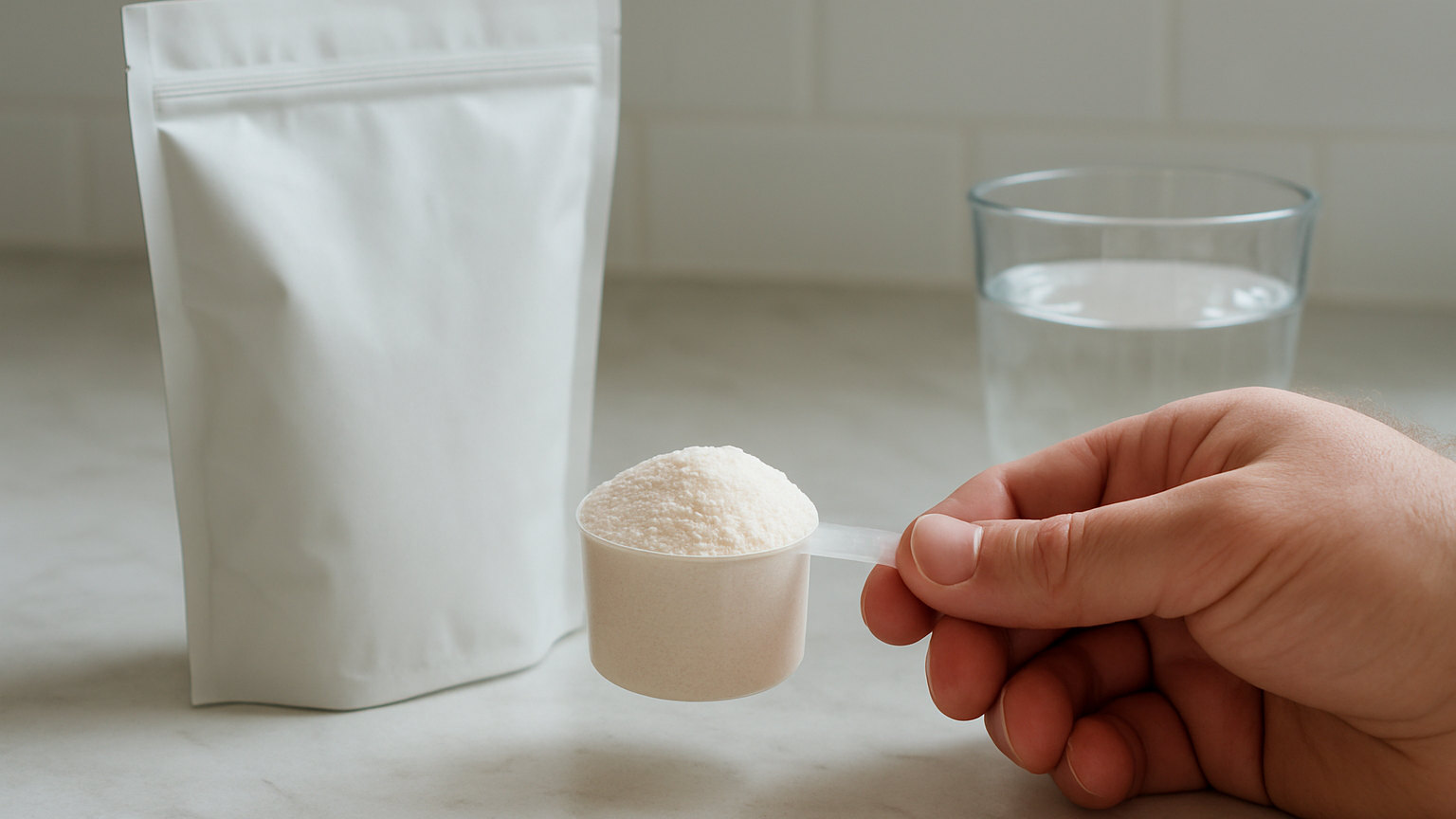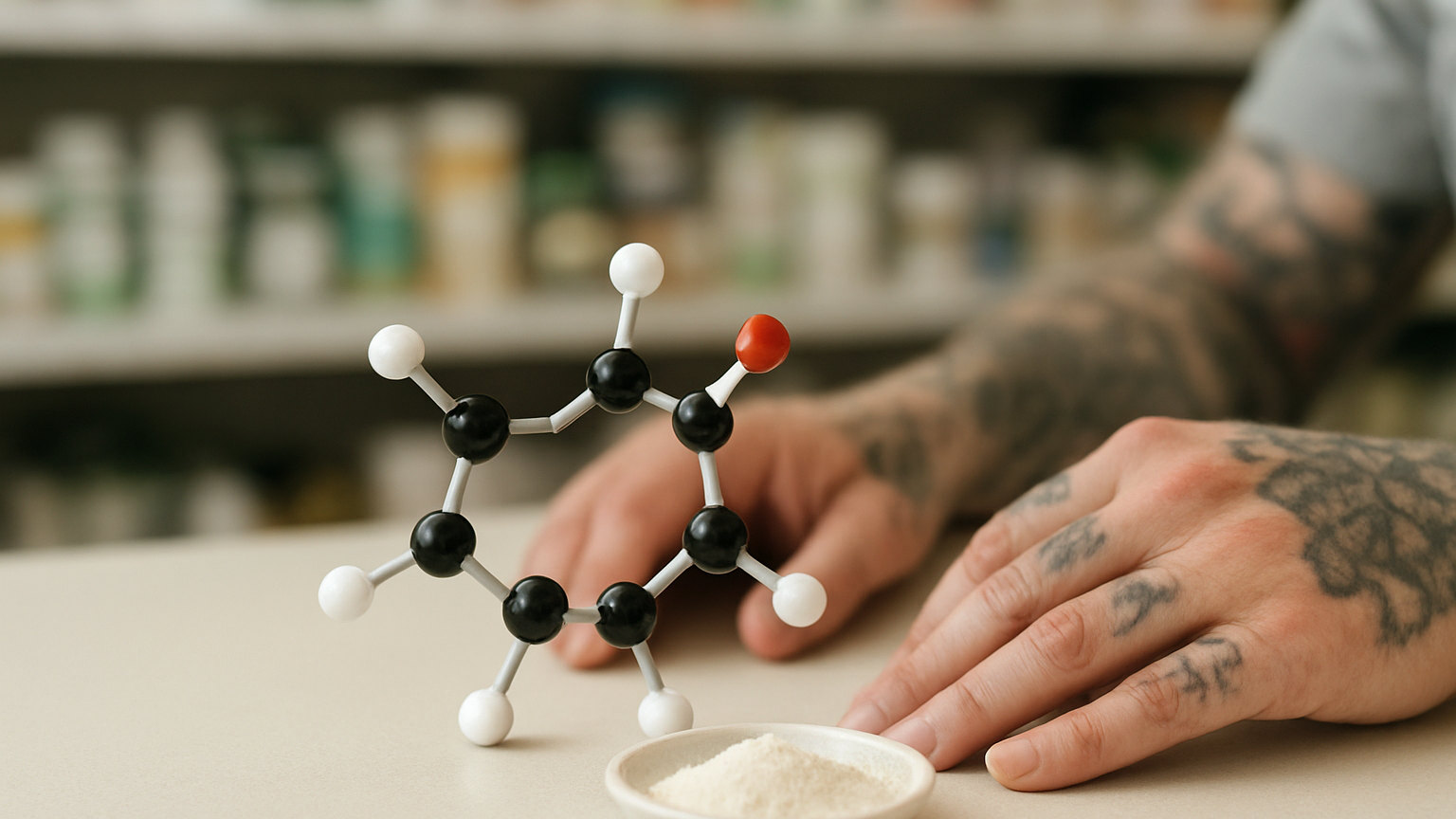
Independent testing programmes have repeatedly found detectable heavy metals in protein powders. The findings are real, the health significance is genuinely debated, and there are reasonable steps to reduce exposure.
What has been found?
Testing organisations have reported detectable levels of lead, cadmium, arsenic and mercury across a wide range of protein products.
Plant based powders have generally shown higher levels than whey, which fits the mechanism, since plants take up metals from soil and whey derives from milk.
Cocoa flavoured products have also tended to test higher, since cocoa itself accumulates cadmium.
Where do the metals come from?
Soil, principally. Heavy metals occur naturally in soil and are also deposited through industrial activity, mining and historical use of leaded products.
Plants absorb them along with nutrients, concentrating them to varying degrees depending on the plant, the soil and the growing region.
Rice protein is a particular case, since rice accumulates inorganic arsenic more readily than most crops, which is why rice based products have attracted specific attention.
Are the levels dangerous?
This is where interpretation diverges. The levels found are generally low in absolute terms, often within regulatory limits for food.
Some testing organisations apply stricter thresholds than regulatory limits, which produces alarming headlines from findings that regulators would not act on.
The counter argument is that protein powder is consumed daily in substantial quantities over years, so cumulative exposure matters more than a single serving.
Who should be most cautious?
- Pregnant women, since lead crosses the placenta and affects development
- Children and adolescents, who are more vulnerable to lead exposure
- Anyone consuming very large daily amounts over long periods
- People with kidney disease, where cadmium accumulation is more concerning
How can you reduce exposure?
Choose products with third party certification such as Informed Sport or NSF, which involve batch testing, though these programmes focus primarily on banned substances rather than heavy metals specifically.
Rotate brands and protein sources rather than using the same product exclusively for years, which averages out any single products contamination.
Consider whey over plant protein if contamination is your main concern and dairy suits you.
Use powder as a supplement to food protein rather than as the main source, which reduces total exposure.
Is this unique to protein powder?
No. Heavy metals are present throughout the food supply, including in rice, leafy vegetables, cocoa and fish. Protein powder is not uniquely contaminated.
It is worth considering as part of total dietary exposure rather than in isolation.
How is it regulated?
Supplements are regulated as food in the UK, so contaminant limits apply, and there is no pre-market testing requirement for individual products.
Manufacturers are responsible for ensuring products are safe, and enforcement is largely reactive rather than preventive, which places more weight on choosing reputable brands.
What is the reasonable position?
Not to panic, and not to dismiss it. Choose tested products, vary your sources, and treat powder as one protein source among several.
This article is general information and not medical advice.
How does it compare with other foods?
Testing has found comparable or higher levels in some other everyday foods, including rice, spinach and dark chocolate, which puts protein powder findings in context.
The relevant question is total dietary exposure rather than any single product, and no food is entirely free of these contaminants.
Should this change what you buy?
It is a reasonable factor among several. If you use powder daily and have alternatives, choosing a tested product and rotating sources is a low effort precaution.
It is not a reason to avoid protein supplements altogether, and it is a reason to prefer food where that is practical.
What is the summary?
Heavy metals are detectable in many protein powders, generally at low levels, with plant products higher. Tested products and varied sources are reasonable precautions.
The reasonable response is proportionate concern rather than either alarm or dismissal, which is an unsatisfying conclusion and an accurate one.