Stomach discomfort during training after taking a pre-workout is common and usually solvable. Several ingredients contribute, and the concentration of the drink is often the main problem rather than any single component.
What causes it?
- High concentration, drawing water into the gut by osmosis
- Sodium bicarbonate, a well known cause of gastrointestinal distress
- Magnesium in some forms, particularly citrate and oxide
- Sugar alcohols used as sweeteners, including sorbitol and maltitol
- High caffeine doses, which increase gut motility and acid production
- Citric acid and other acidifiers
- Taking it too close to training on an empty stomach
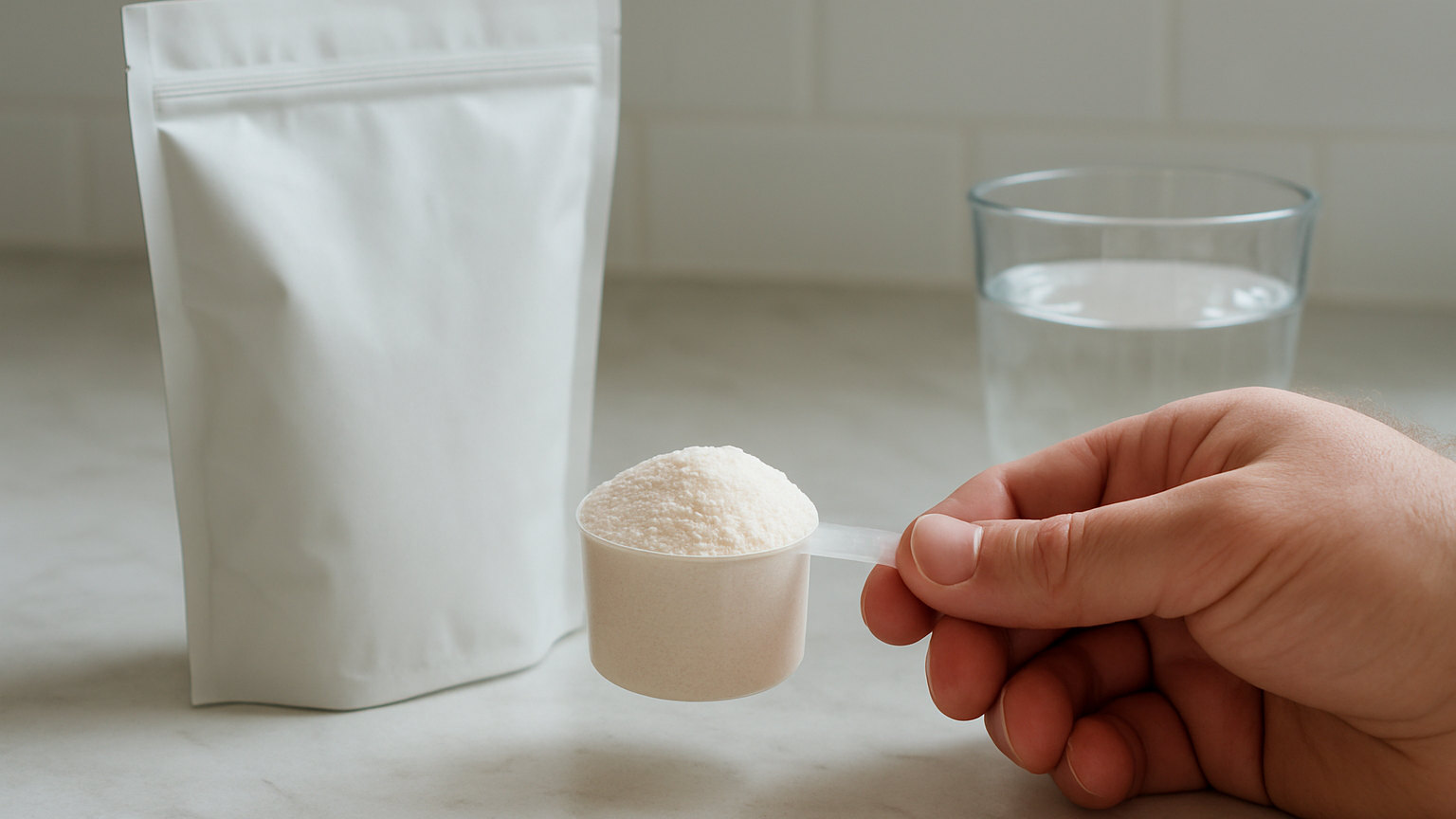
Concentration is the most common and most easily fixed. Many people mix a scoop into a small volume of water, producing a highly concentrated drink.
How does concentration cause problems?
A concentrated solution in the stomach draws water in from surrounding tissue to dilute it, which causes bloating and cramping.
It also empties from the stomach more slowly, so it sits there during training rather than being absorbed.
Mixing the same scoop into 500 to 750ml instead of 250ml frequently resolves the problem entirely.
Why is sodium bicarbonate difficult?
It is an effective ergogenic aid for efforts limited by acidity, and the doses required cause significant gastrointestinal distress in a large proportion of users.
Reactions include bloating, cramping, nausea and diarrhoea. Enteric coated forms and split dosing reduce this somewhat.
Most pre-workouts contain too little to help or to hurt, which is worth knowing before blaming it.
What about the sweeteners?
Sugar alcohols are poorly absorbed and ferment in the gut, causing bloating and loose stools in susceptible people.
Sucralose and other artificial sweeteners cause problems for some people, and this varies considerably between individuals.
Switching to an unflavoured or differently sweetened product identifies whether this is the cause.
How can you fix it?
Dilute more, take it further before training, and try taking it with a small amount of food.
Start with half a serving to identify your tolerance. Try a different product with a simpler ingredient list.
Sip it over 20 minutes rather than drinking it quickly.
Does training itself contribute?
Considerably. Exercise diverts blood away from the digestive system, slowing gastric emptying and reducing tolerance for anything sitting in the stomach.
This is why the same drink taken on a rest day may cause no problem at all.
When should you be concerned?
Persistent or severe symptoms, blood in vomit or stool, or ongoing abdominal pain warrant medical assessment rather than adjusting your supplement and hoping it settles.
What is the summary?
Dilution, timing and dose account for most cases. Working through them systematically usually identifies the problem without abandoning the product.
This article is general information and not medical advice.
Does the ingredient list help?
Considerably. Products with fewer ingredients and simpler sweetening systems cause fewer problems, and identifying the culprit is easier.
Switching between products with different formulations is a practical way to narrow down what you react to.
What about caffeine specifically?
High doses increase gut motility and stomach acid production, and can cause urgency during exercise.
Reducing the dose often resolves this without abandoning the product entirely.
What is the simplest first change?
Double the water. It costs nothing, requires no new product, and resolves a large proportion of cases on its own.
If that does not help, moving the timing further from training is the next thing to try.
What is the summary?
Concentration, timing and dose account for most stomach problems. Diluting more and taking it earlier resolves the majority of cases without changing product.
What if nothing helps?
Some people simply do not tolerate concentrated supplement drinks before exercise, and taking caffeine in tablet form with water avoids the issue entirely.
Does it improve with use?
Often, as the gut adapts to the ingredients and to training with something in the stomach. Persisting at a lower dose for a fortnight is worth trying before switching.