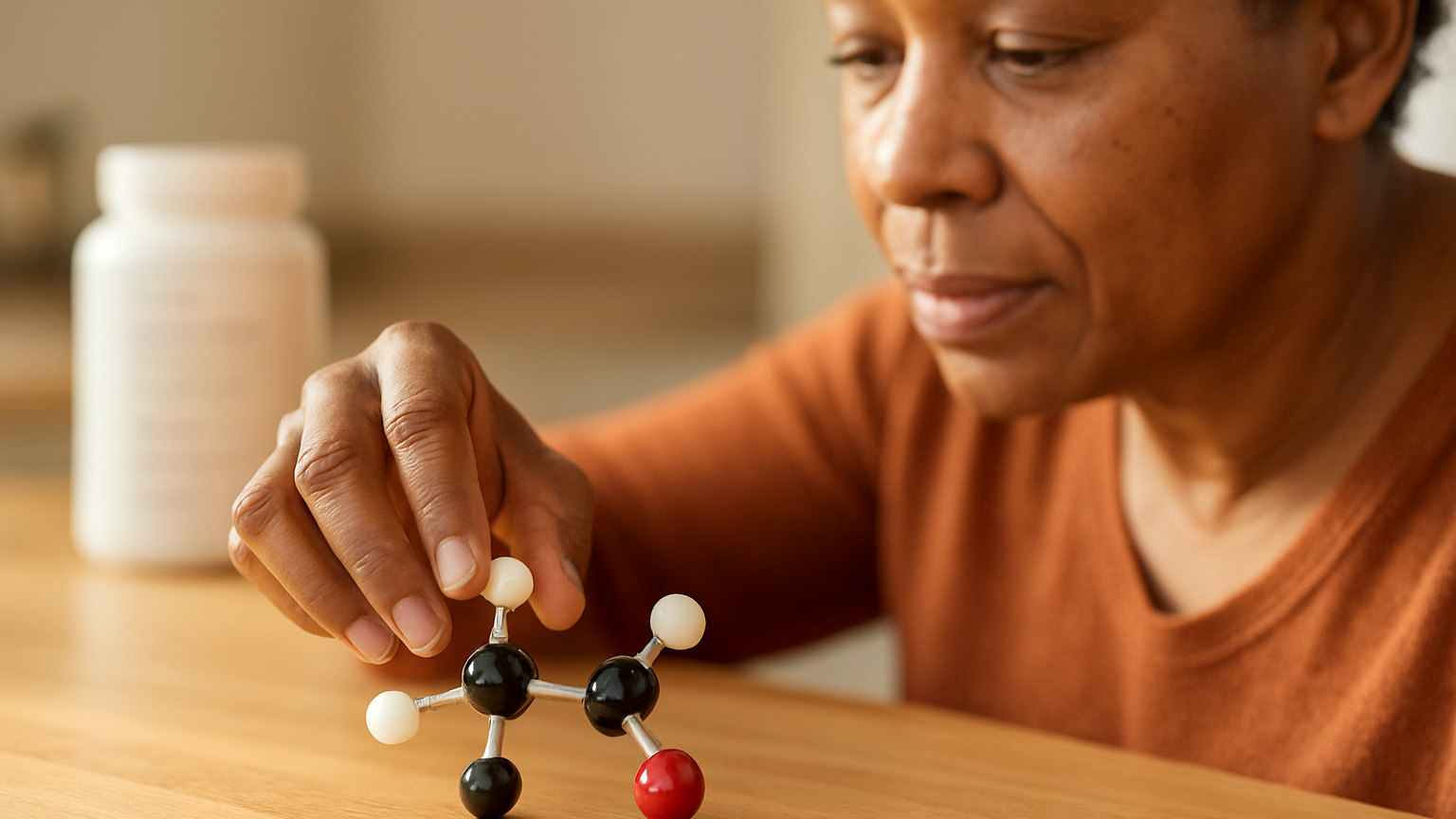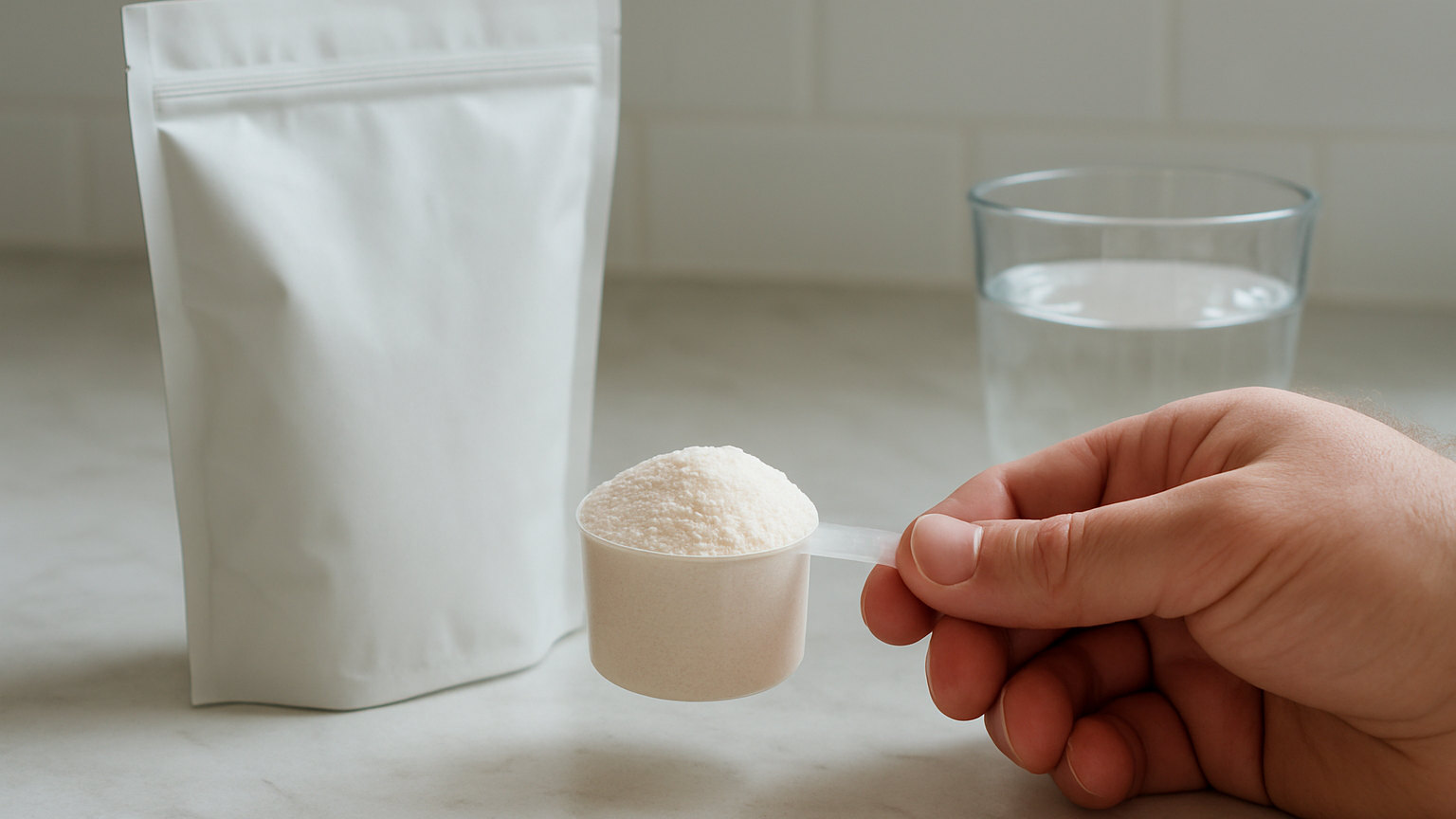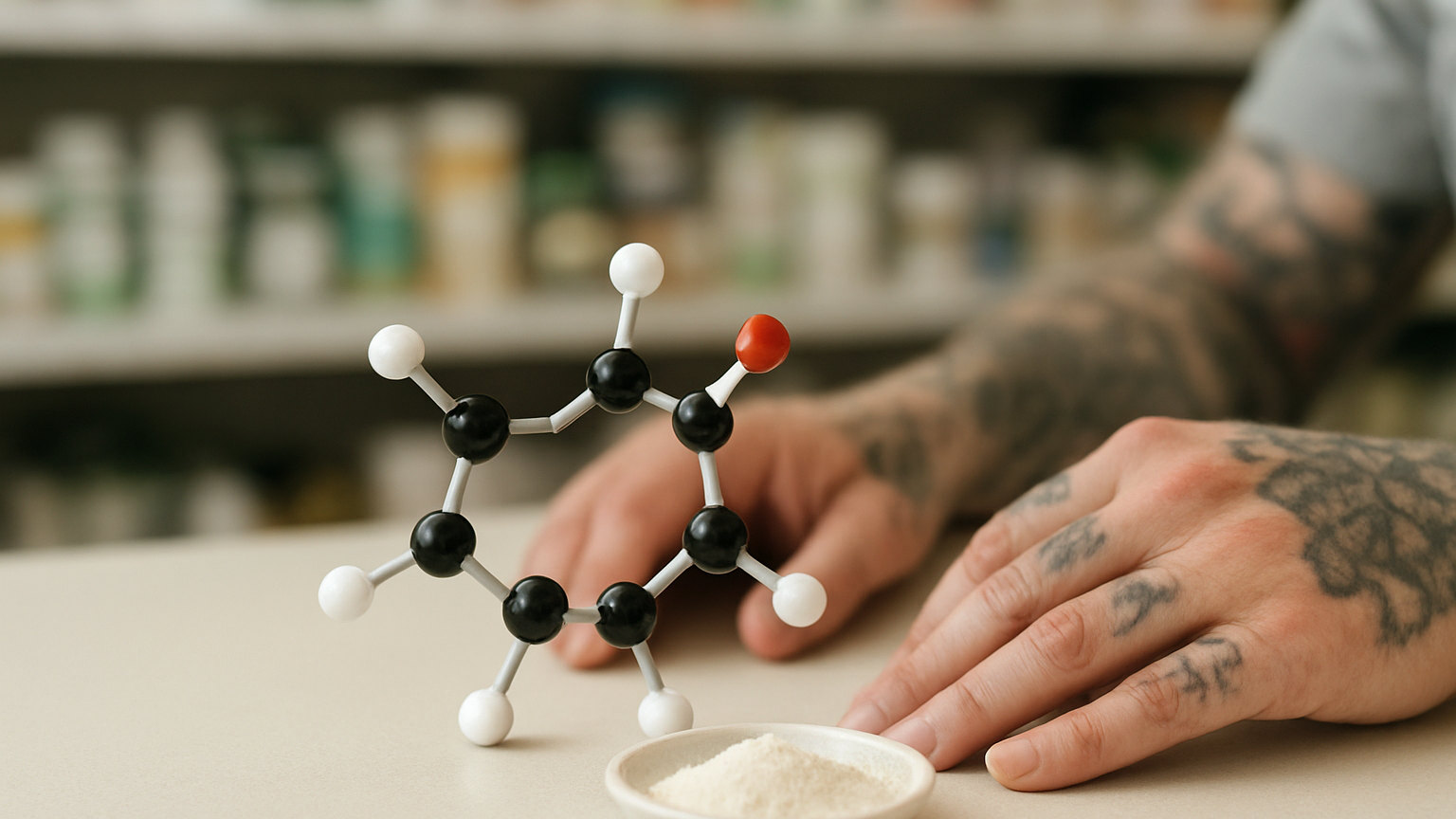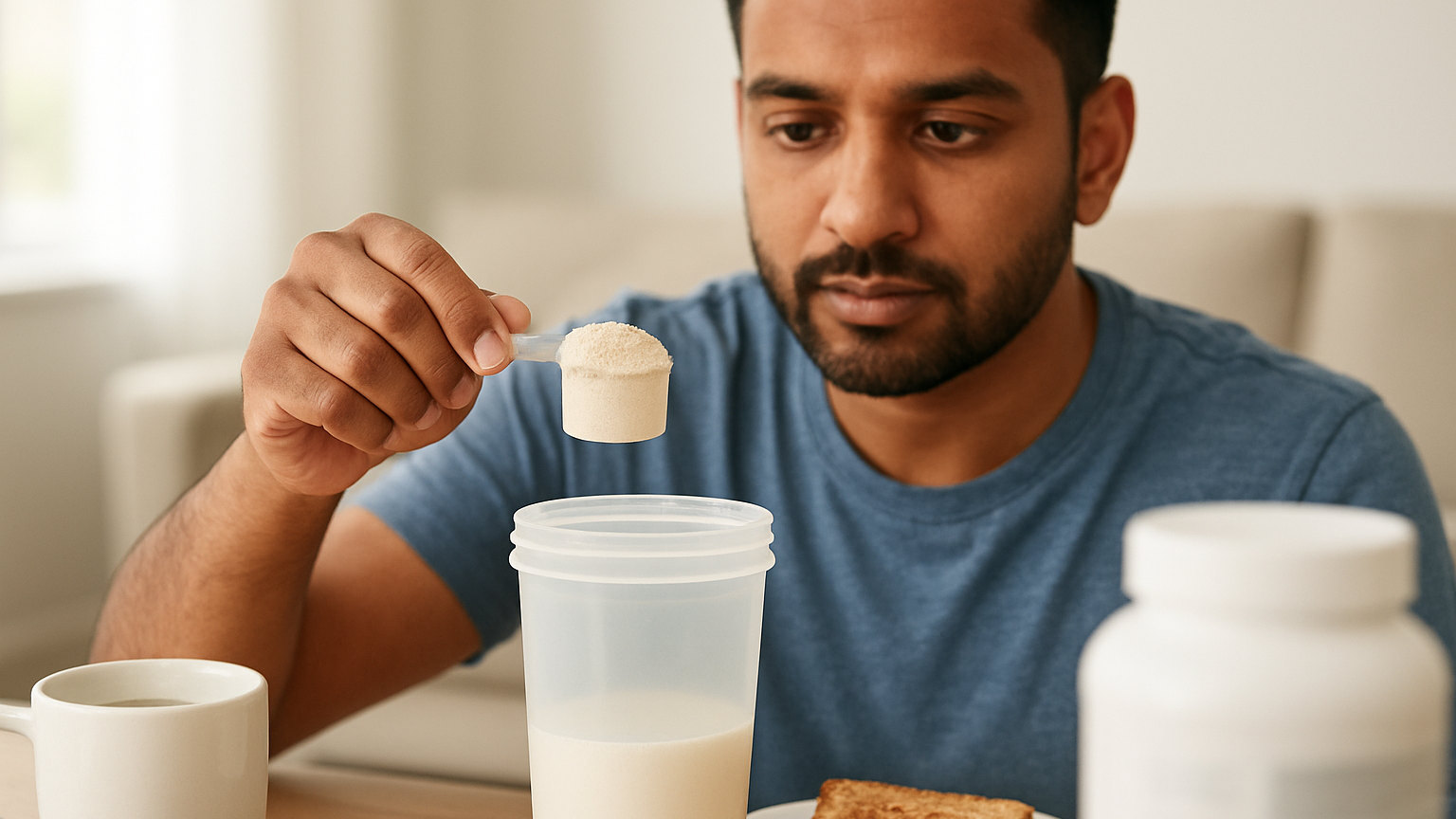
A typical pre-workout contains anywhere from five to twenty five ingredients. A small number of them have good evidence, several have moderate evidence at doses the product rarely reaches, and the rest are there to lengthen the label.
Which ingredients have good evidence?
- Caffeine, typically 150 to 400 milligrams, which does most of the work
- Beta-alanine at 3.2 grams daily, useful for efforts lasting one to four minutes
- Citrulline malate at 6 to 8 grams, with reasonable evidence for training volume
- Creatine at 3 to 5 grams, though pre-workouts rarely contain this much
Caffeine is the ingredient producing the effect you feel, and it is also the cheapest. A product without it generally feels like nothing regardless of what else is in it.
Which have moderate evidence?
Betaine at around 2.5 grams has some support for power output. Dietary nitrate, usually as beetroot extract, has reasonable evidence for endurance, though the doses used in research are substantial.
Sodium bicarbonate helps with efforts limited by acidity, and it causes significant gastrointestinal problems at effective doses, so it rarely appears at useful amounts.
Theanine is often combined with caffeine to reduce jitteriness, with modest supporting evidence.
Which have weak evidence?
Arginine, despite being a longstanding pump ingredient, is poorly absorbed and largely broken down before it can raise nitric oxide meaningfully.
Tyrosine, taurine, huperzine A, alpha-GPC and various herbal extracts appear frequently with limited or inconsistent human evidence at the doses used.
BCAAs are common and largely redundant for anyone eating adequate protein.
What about the B vitamins?
Many pre-workouts contain enormous doses of B vitamins, sometimes thousands of per cent of the reference value.
This allows energy claims on the label, since B vitamins are permitted to be described as contributing to normal energy yielding metabolism. That describes a requirement rather than a stimulant effect.
Check the vitamin B6 content specifically, since UK advice suggests keeping supplemental B6 at or below 10 milligrams daily and some products contain far more.
Why are so many ingredients underdosed?
Because effective doses are bulky and expensive. Six grams of citrulline malate plus three grams of beta-alanine plus five grams of creatine is already fourteen grams before flavouring.
Including small amounts of many ingredients produces an impressive label at a fraction of the cost, which is why label reading matters more here than in most supplement categories.
What are proprietary blends?
Ingredient groupings listed under a single combined weight, so individual amounts are hidden.
This makes it impossible to know whether the citrulline is at six grams or six hundred milligrams. There is no good reason to withhold that information.
What should you look for?
Full dose disclosure, caffeine stated in milligrams, beta-alanine at 3.2 grams if you want that effect, citrulline at 6 grams or more, and no proprietary blends.
Third party testing certification matters if you compete in a tested sport.
What is the summary?
Most pre-workouts are caffeine plus a long list of extras, several of which would work at proper doses and are not present at them.
This article is general information and not medical advice.
How much does the caffeine dose vary?
Enormously, from around 150 milligrams in milder products to over 400 in stimulant heavy ones. Some hide it inside a blend, which is a reason to avoid them.
Knowing the figure matters for safety as much as effect, particularly if you also drink coffee or take other products containing stimulants.
Do the extras justify the price?
Rarely, unless the key ingredients are at research doses. Comparing a product against caffeine tablets plus bulk citrulline usually favours the latter on cost by a wide margin.
What you buy with a commercial product is convenience and flavour, which are legitimate things to pay for provided you know that is what you are getting.
Reading the label properly takes a minute and tells you more than any review, since the doses are either there or they are not.