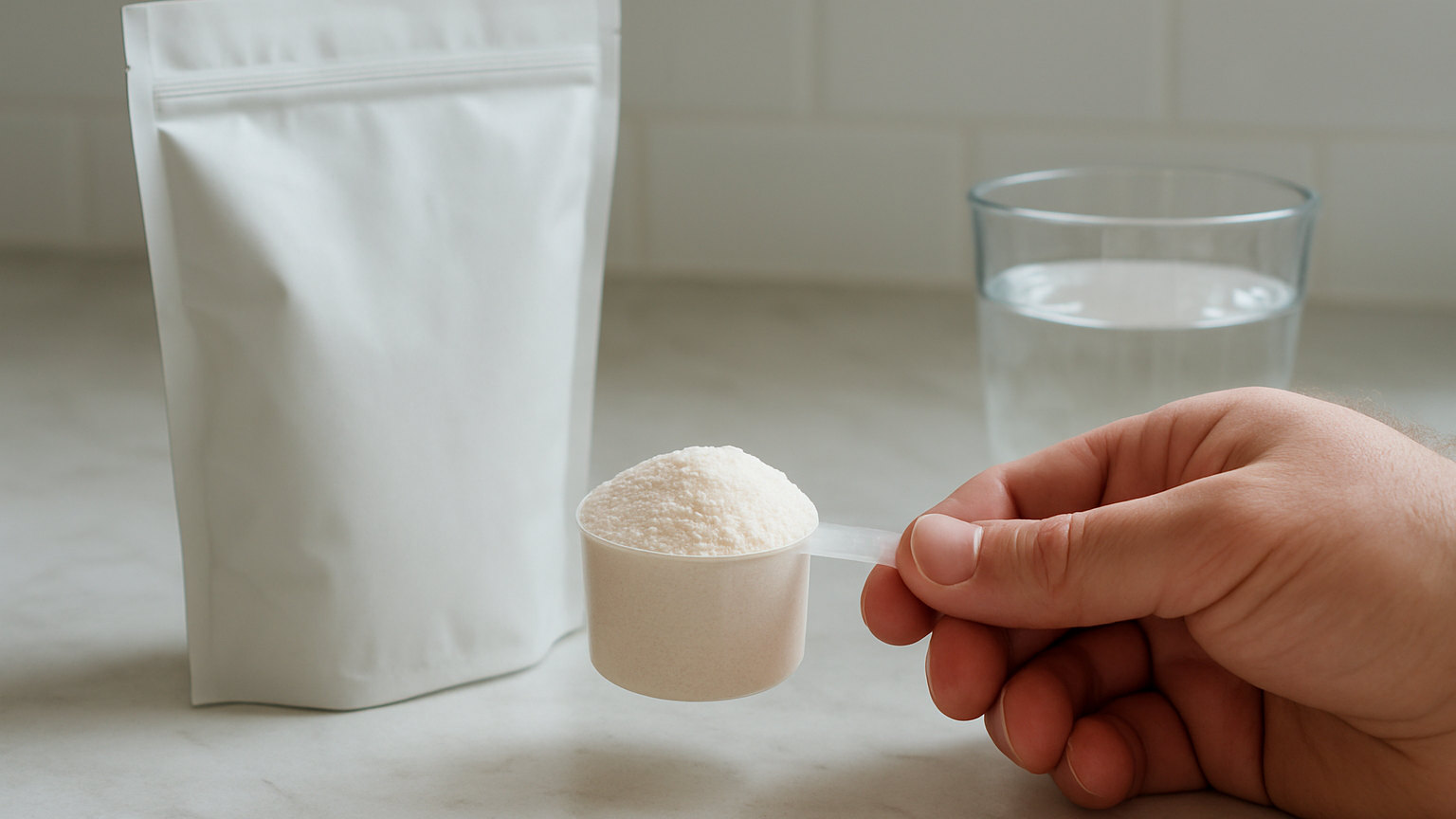
Taking a pre-workout before every session is common, and it has costs that accumulate quietly. Tolerance, sleep disruption and dependence all develop with daily stimulant use.
What happens with daily use?
Tolerance develops to the subjective effects within days. The alertness and focus fade while the performance benefit is more resistant.
The usual response is to increase the dose, which adds side effects without adding much benefit and pushes total caffeine intake higher.
Physical dependence also develops, so missing a session produces headache and fatigue that reinforces the habit.
Does the performance benefit persist?
Largely yes. Studies comparing habitual and non-habitual caffeine users have generally found performance benefits in both.
What fades is the feeling rather than the effect, which is worth knowing before escalating the dose to chase a sensation.
What are the practical costs?
- Sleep disruption, particularly with afternoon or evening sessions
- Elevated total caffeine intake across the day
- Dependence, making training without it feel harder than it is
- Cost, since daily use is considerably more expensive than occasional
- Anxiety in susceptible people
When is it most worth using?
Before genuinely demanding sessions where the additional output matters. Heavy lifting days, interval sessions, competitions and time trials.
Also when training tired, since the caffeine effect is amplified in sleep deprived states.
When is it worth skipping?
Light or technical sessions where fatigue is not limiting. Evening training, where sleep cost usually exceeds training benefit.
Days when you have already consumed substantial caffeine. Sessions where you want to gauge your unassisted capacity.
Is there a sensible pattern?
Using it two or three times a week before the hardest sessions preserves the effect and reduces the costs.
Some people separate the ingredients, taking creatine and beta-alanine daily since they work through accumulation, and reserving the stimulant portion for hard days.
Should you cycle off entirely?
The evidence for tolerance breaks improving performance response is weak, and there are practical reasons to reduce intake periodically.
If your dose has escalated, if sleep has deteriorated, or if training without it feels impossible, reducing is worthwhile regardless of what the performance research says.
How should you reduce?
Gradually, cutting by around a quarter every few days over two to three weeks. Abrupt withdrawal produces headaches and fatigue for several days.
Switching some sessions to a stimulant free product or nothing at all is an easier route than stopping entirely.
What is the summary?
Saving it for sessions that warrant it preserves both the effect and your sleep. Daily use mainly builds tolerance and cost.
This article is general information and not medical advice.
Does it affect training adaptation?
Indirectly, through sleep. Training adaptation happens during recovery, and stimulants that impair sleep undermine the sessions they improved.
This is the strongest argument for using them selectively rather than habitually, particularly for anyone training in the afternoon or evening.
What about training without it occasionally?
Worth doing deliberately, since it tells you what your unassisted capacity actually is and prevents the sense that training is impossible without a stimulant.
Many people find the difference smaller than expected once the dependence element is removed.
What if you already use it daily?
Reducing to two or three sessions a week is straightforward if done gradually, and most people find the effect returns noticeably within a fortnight.
Expect a few days of headaches and low energy if your intake has been high, which passes.
What is the summary?
Reserving it for demanding sessions preserves the effect, protects your sleep and reduces the cost. Daily use mostly builds tolerance and dependence.
What is the practical approach?
Decide in advance which sessions warrant it rather than deciding at the gym door, since the second approach reliably becomes every session.
Does it matter for beginners?
Less than establishing a consistent training habit, which is what actually produces results in the first year.
Starting with stimulants before establishing that habit tends to make training feel dependent on them.