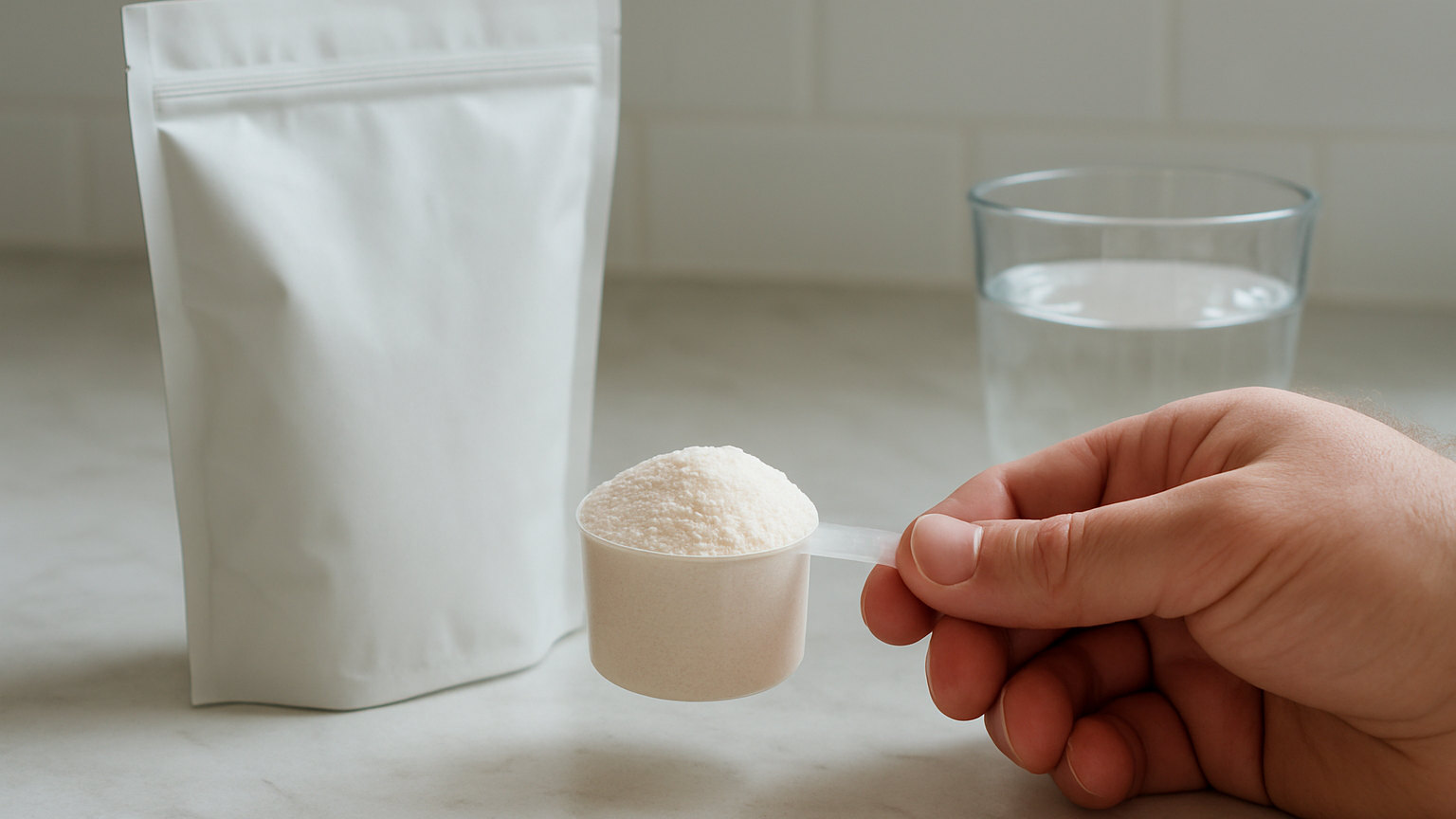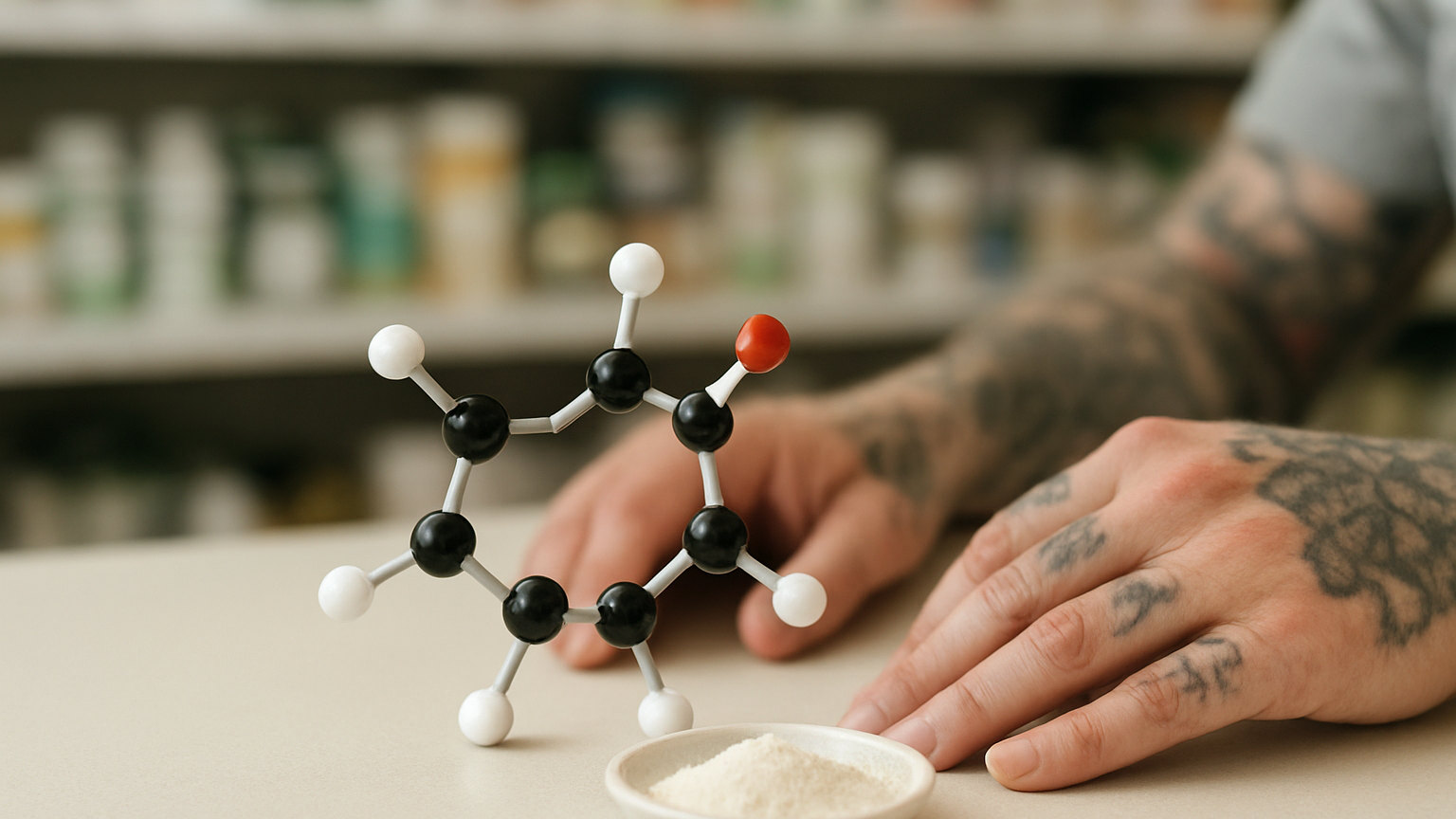
Independent testing of supplements has repeatedly found ingredients that were not on the label, including prohibited stimulants and in some cases substances with no place in a consumer product.
How common is contamination?
Studies analysing supplements have found undeclared substances in a meaningful proportion of products tested, with pre-workouts and weight loss products among the worst categories.
Findings have included stimulants removed from the market, anabolic agents, and compounds never approved for human use.
Contamination can also occur through shared manufacturing equipment, meaning a product may contain trace amounts of something the manufacturer never intended to include.
Which substances turn up?
- DMAA, associated with strokes and deaths, banned in the UK and elsewhere
- DMHA and related analogues introduced as replacements
- Higenamine, a stimulant prohibited in sport
- Ostarine and other selective androgen receptor modulators
- Various designer stimulants with little safety data
Why does it matter for athletes?
Because anti-doping operates on strict liability, meaning an athlete is responsible for what is in their body regardless of how it got there.
Positive tests attributed to contaminated supplements have ended careers. The defence that a product was mislabelled rarely prevents a sanction entirely.
Any athlete subject to testing should treat supplement use as a risk to be managed rather than assumed safe.
What does third party testing offer?
Programmes such as Informed Sport batch test products for prohibited substances and certify those that pass.
This substantially reduces but does not eliminate risk, since testing samples cannot guarantee every unit. It is nonetheless the best available assurance.
Products carrying certification should display it clearly, and the certifying body maintains searchable databases.
Why does this happen?
Because supplements are regulated as food rather than as medicines, so there is no pre-market approval or routine testing of contents.
Manufacturers are responsible for safety, and enforcement is reactive. A product can be sold for a considerable period before problems are identified.
Does it matter for non-athletes?
Yes, on safety grounds. Undeclared stimulants carry cardiovascular risks, and consumers cannot avoid something they do not know is present.
Anyone with a heart condition, high blood pressure or anxiety has a particular interest in knowing what they are taking.
How can you reduce the risk?
Choose third party tested products. Buy from established manufacturers rather than obscure brands. Avoid products making implausible claims about intensity or effect.
Be sceptical of anything containing ingredients you cannot find in the research literature, since novel compounds appearing in supplements are frequently there because they have not yet been regulated.
What is the summary?
Contamination is well documented and concentrated in the categories making the boldest claims. Certification and cautious brand choice substantially reduce the risk.
Suspected problems with a specific product can be reported through the MHRA Yellow Card scheme, which is how labelling and contamination issues get identified. This article is general information and not medical advice.
Does price indicate safety?
Not reliably. Contamination has been found across price points, and expensive products making bold claims about intensity are not safer than cheaper conservative ones.
Certification and manufacturer reputation are better indicators than cost.
What should athletes do?
Use only certified products, keep records of batch numbers, and check current prohibited lists for your sport, which change over time.
Many governing bodies provide specific guidance on supplement use, and following it is the athletes responsibility.
Does this apply to all supplements?
The risk concentrates in categories making bold claims, particularly pre-workouts, fat burners and anything promising rapid results.
Single ingredient products from established manufacturers, such as plain creatine or whey, carry considerably lower risk.
What is the summary?
Contamination is well documented and concentrated in this category. Third party certification and cautious brand choice substantially reduce the risk without eliminating it.
What should you avoid entirely?
Products marketed on extreme intensity, those containing ingredients absent from the research literature, and anything sold by a brand you cannot identify.
Checking a certification database before buying takes a moment and is worth doing for anyone who could be tested.