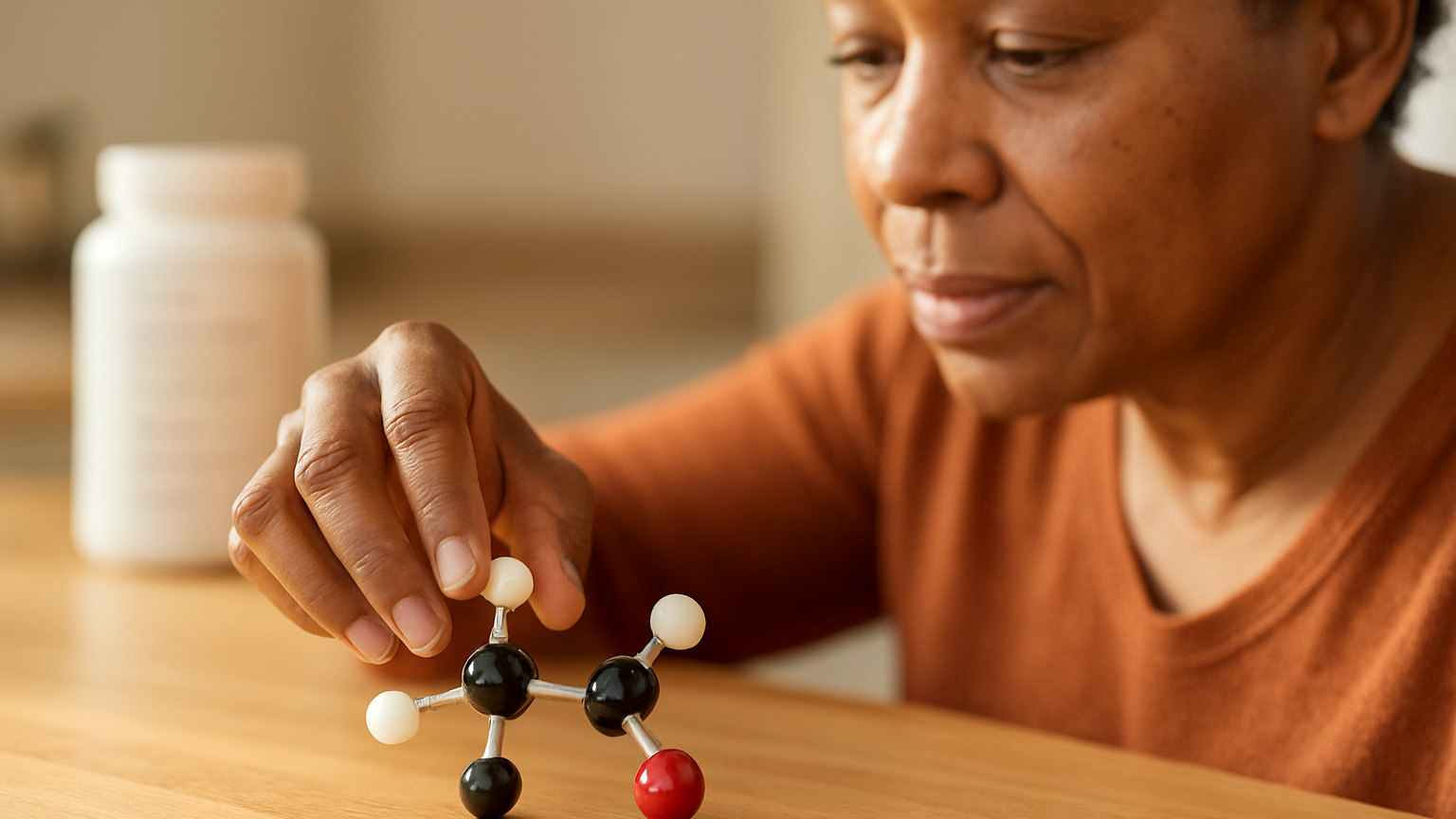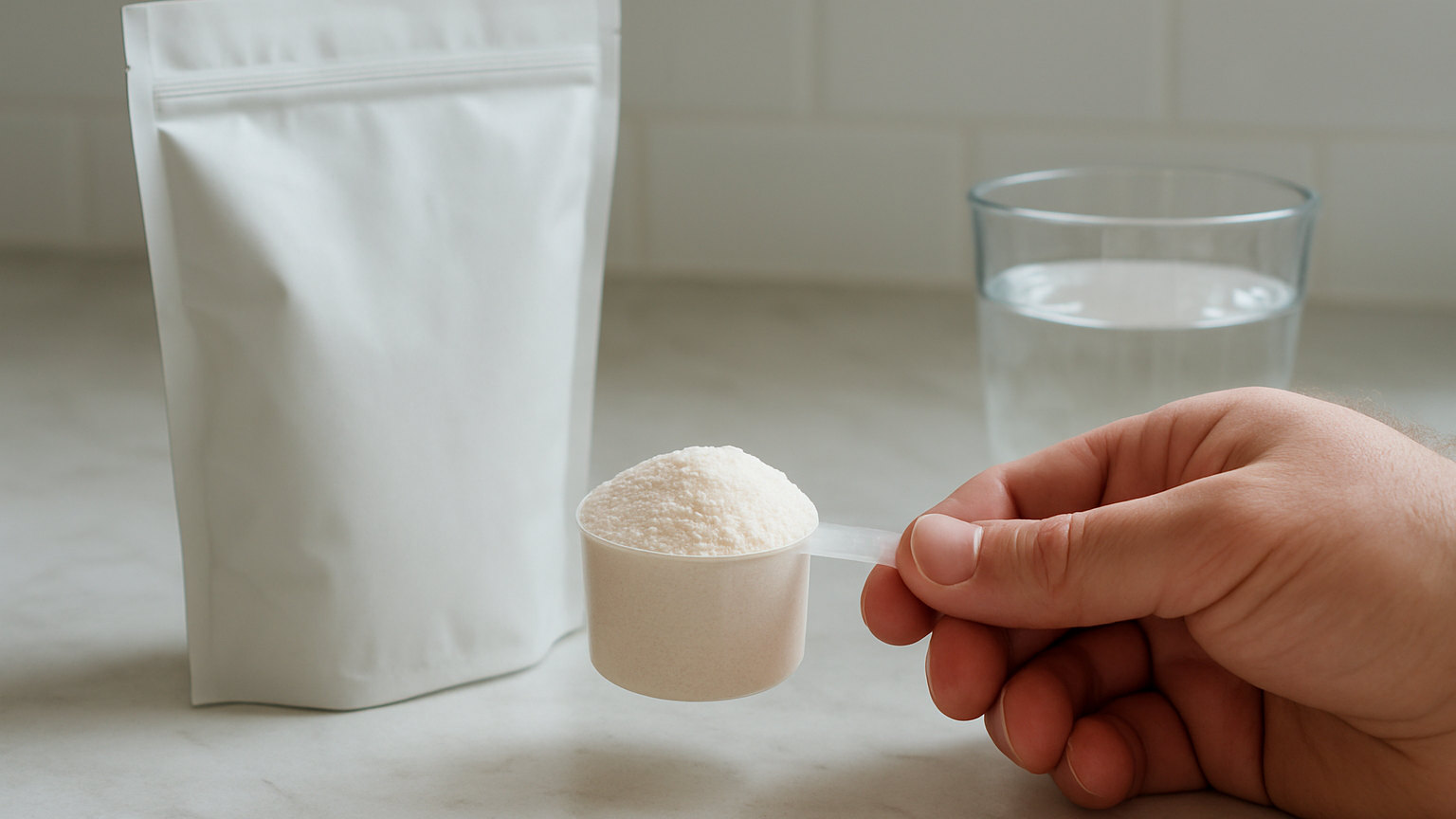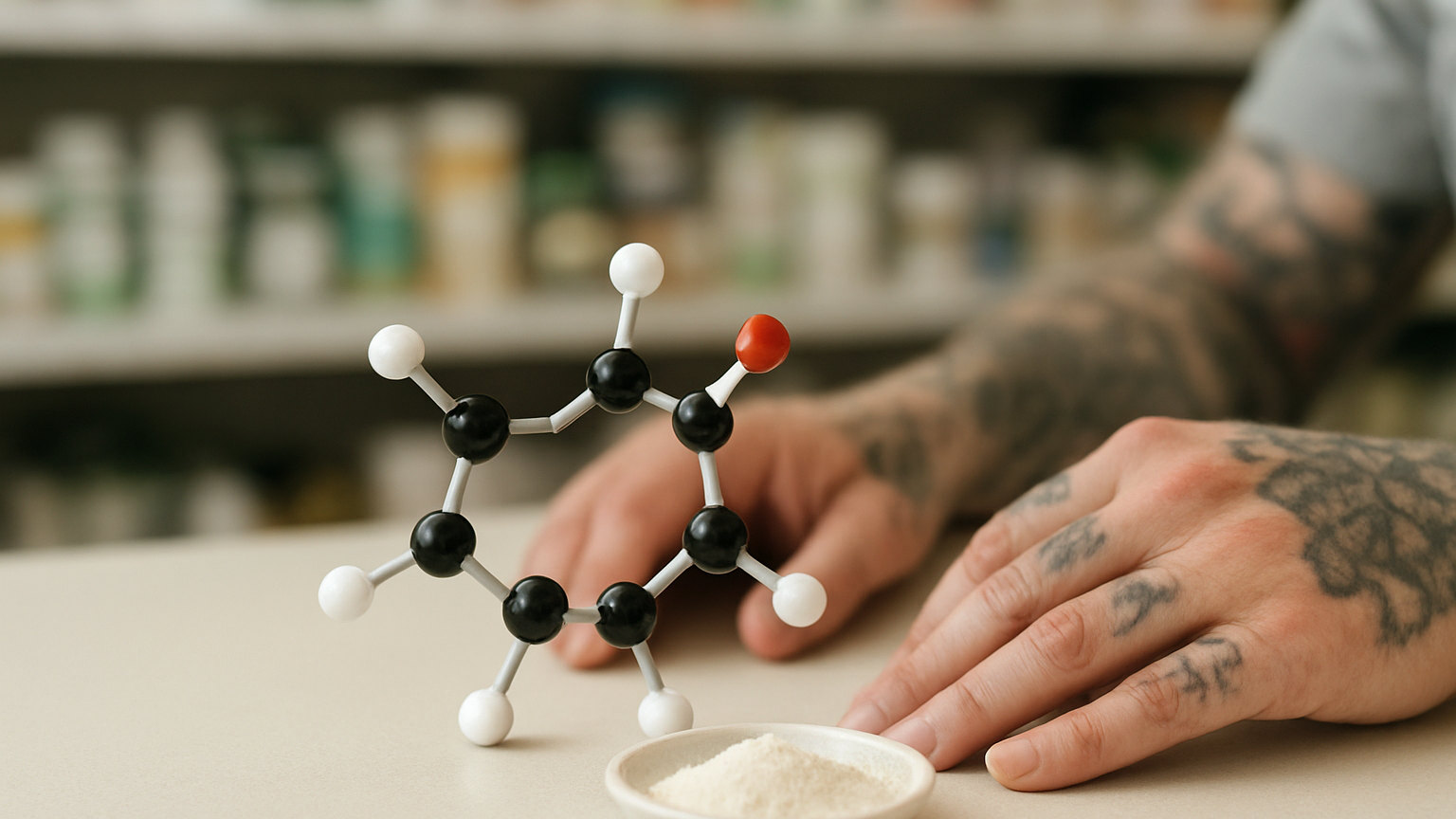
Nitric oxide products cover a wide range of ingredients with very different evidence bases. Grouping them together obscures the fact that one works reasonably well and several do not.
What does nitric oxide do?
It is a signalling molecule that relaxes blood vessel walls, increasing blood flow and reducing blood pressure.
In exercise, increased blood flow theoretically improves oxygen and nutrient delivery to working muscle and aids waste removal.
What are the main ingredients?
- Dietary nitrate, usually as beetroot juice or concentrate
- Citrulline, converted to arginine and then to nitric oxide
- Arginine, the direct precursor, poorly absorbed orally
- Agmatine, glycerol and various others with limited evidence
Which has the best evidence?
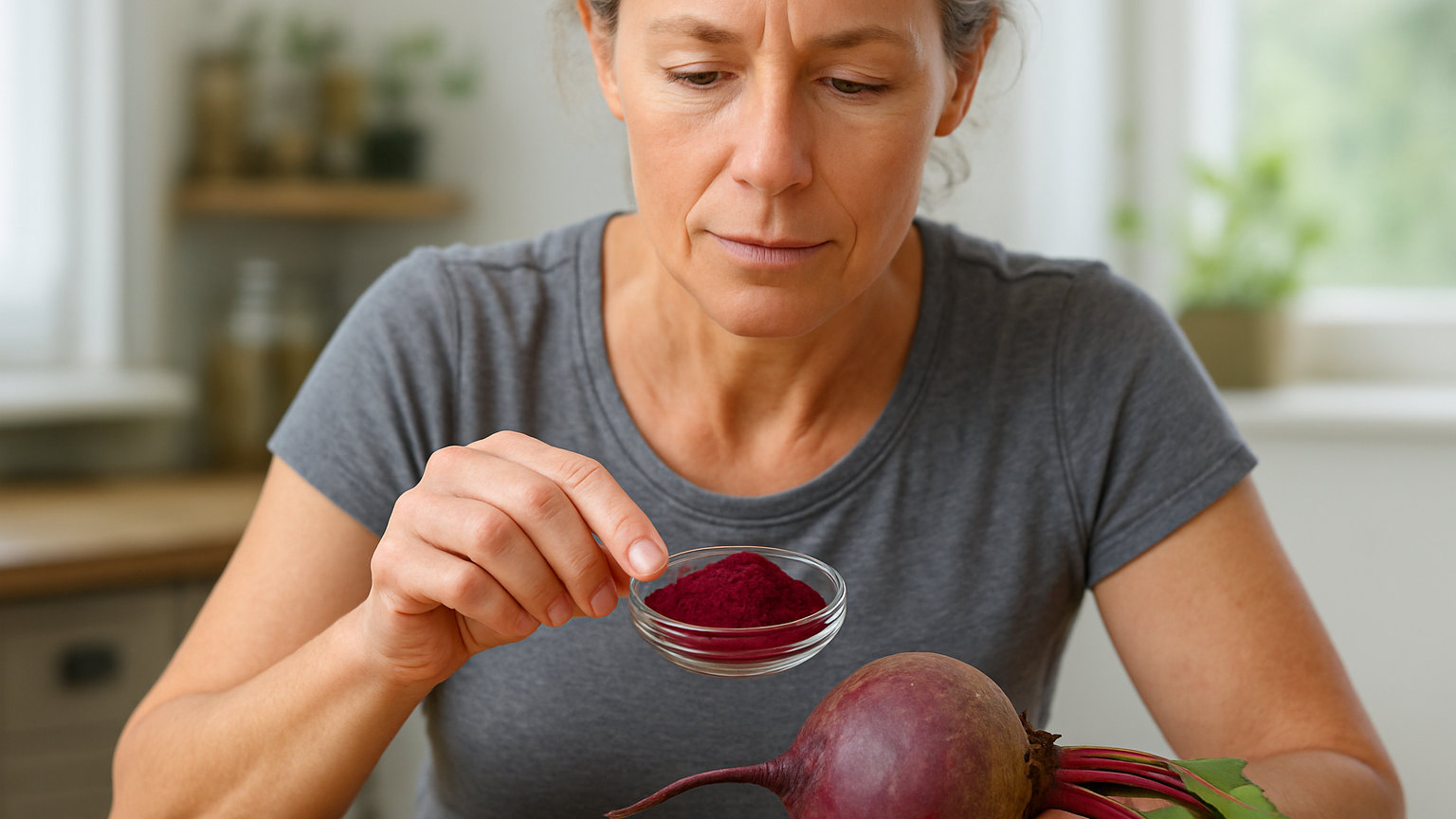
Dietary nitrate. Beetroot juice has been studied extensively and reviews have found improvements in endurance performance and reduced oxygen cost of exercise.
The effect appears larger in recreational athletes than in highly trained ones, which is a consistent finding worth knowing.
Nitrate works through a pathway independent of the enzyme normally producing nitric oxide, converted by bacteria in the mouth and then in the body.
What dose and timing?
Research typically uses around 6 to 8 millimoles of nitrate, roughly equivalent to a concentrated beetroot shot or 500ml of beetroot juice.
Timing is important, with peak effects around two to three hours after ingestion, which is considerably longer than most pre-workout ingredients.
Some protocols use several days of loading before an event.
Why does mouthwash matter?
Because bacteria on the tongue perform the first step of converting nitrate to nitrite. Antibacterial mouthwash eliminates them and abolishes the benefit.
Studies have demonstrated this directly, which is an unusual and specific practical point: avoid antibacterial mouthwash if using nitrate supplements.
Why does arginine perform poorly?
Oral arginine is largely broken down by arginase in the gut and liver before reaching the circulation, so blood levels rise far less than the dose suggests.
Citrulline bypasses this and raises arginine more effectively, which is why it has largely replaced arginine in better formulated products.
Is the pump meaningful?
The sensation of fullness during training is real and reflects increased blood flow and fluid shift into muscle.
Whether it contributes to muscle growth is uncertain. Cell swelling has been proposed as a growth signal, and the evidence connecting acute pump to long term gains is indirect.
It certainly feels good, which has value for training motivation if not for physiology.
Are there safety considerations?
Beetroot turns urine and stools red, which is harmless and alarming if unexpected.
Anyone taking nitrate medicines for angina or erectile dysfunction medicines should check with a pharmacist, since the effects on blood pressure combine.
What is the summary?
Beetroot nitrate works reasonably well for endurance, citrulline works moderately, arginine works poorly. The pump is not the same as a performance benefit.
This article is general information and not medical advice.
Does dietary nitrate come from food?
Yes, principally from leafy greens such as rocket, spinach and lettuce, alongside beetroot. A large salad supplies a meaningful amount.
This makes nitrate one of the few ergogenic aids readily obtained from ordinary food rather than a supplement.
Who benefits least?
Highly trained endurance athletes, in whom the effect is consistently smaller than in recreational exercisers.
The proposed explanation is that trained muscle already has better blood flow and oxygen efficiency, leaving less room for improvement.
What is worth taking?
Beetroot concentrate two to three hours before endurance events, or citrulline malate at a proper dose before resistance training.
Arginine and most of the exotic pump ingredients can be skipped without losing anything.
What is the summary?
Nitrate works, citrulline works moderately, arginine does not. The pump is a real sensation rather than a reliable indicator of performance benefit.
What about food sources?
Leafy greens and beetroot supply nitrate directly, and a large rocket or spinach salad contributes meaningfully.
Watermelon contains citrulline, though the amounts needed to match supplement doses are impractical.
Timing matters more for nitrate than for most supplements, since the peak effect arrives two to three hours after ingestion rather than one.