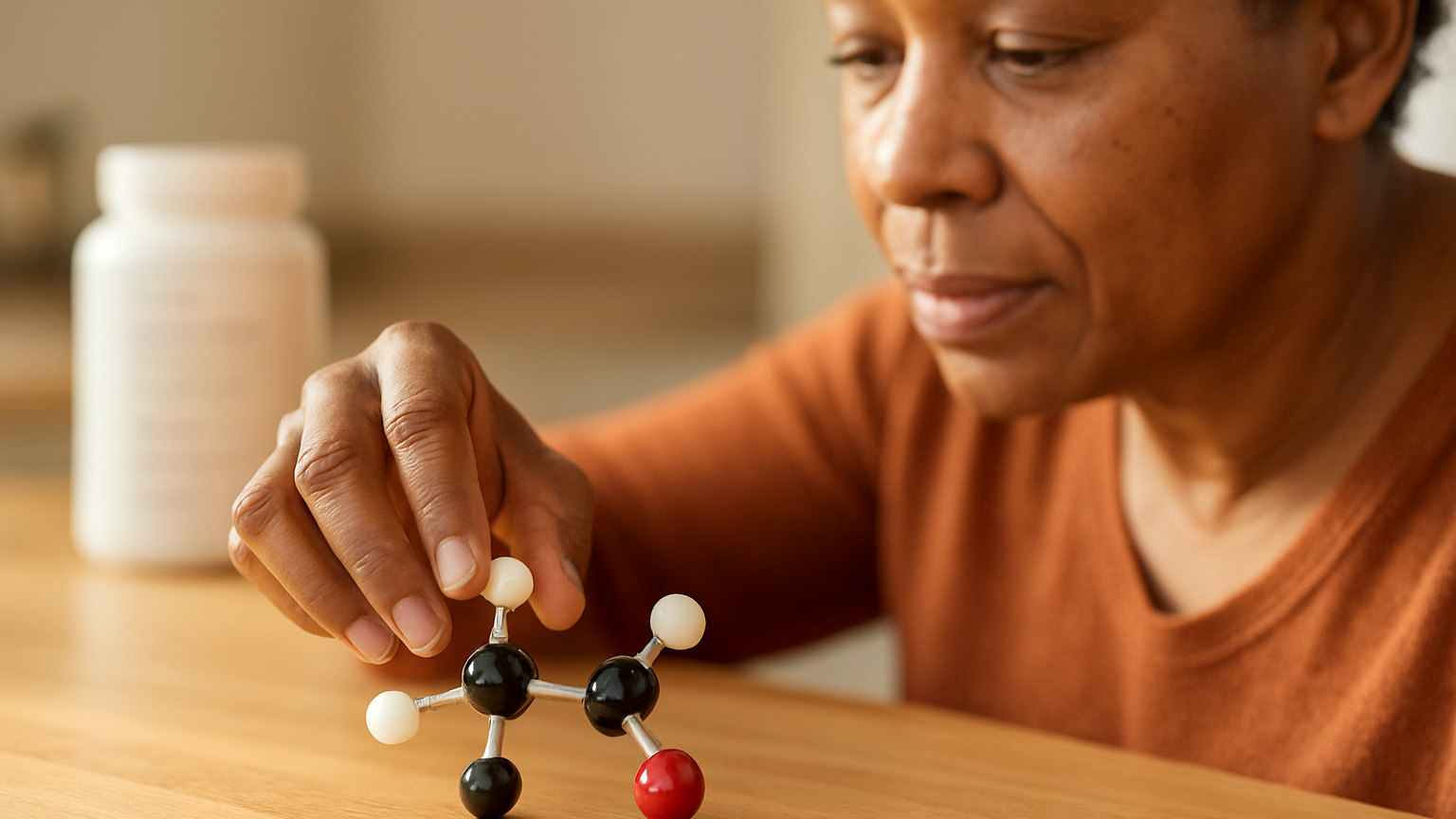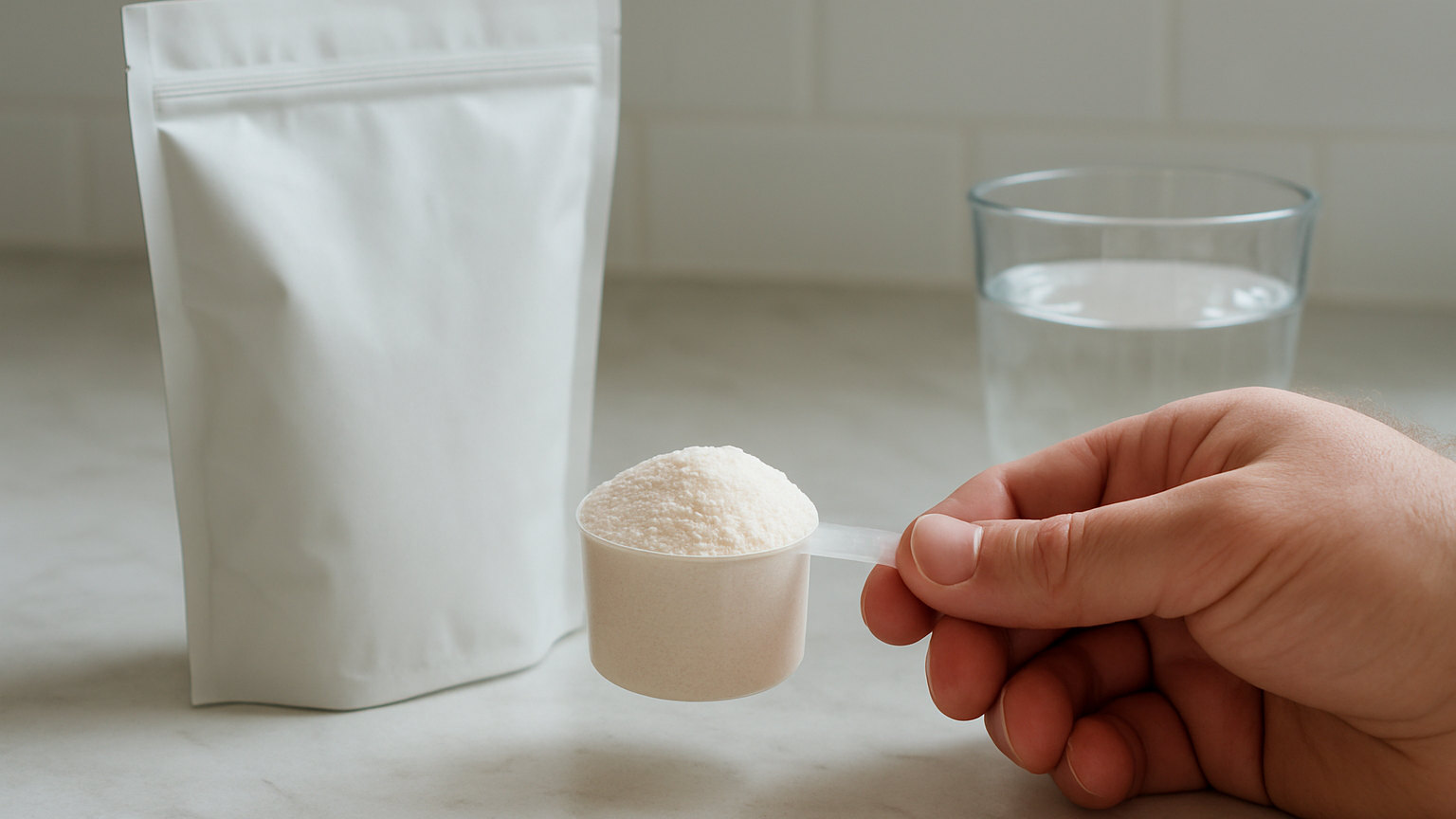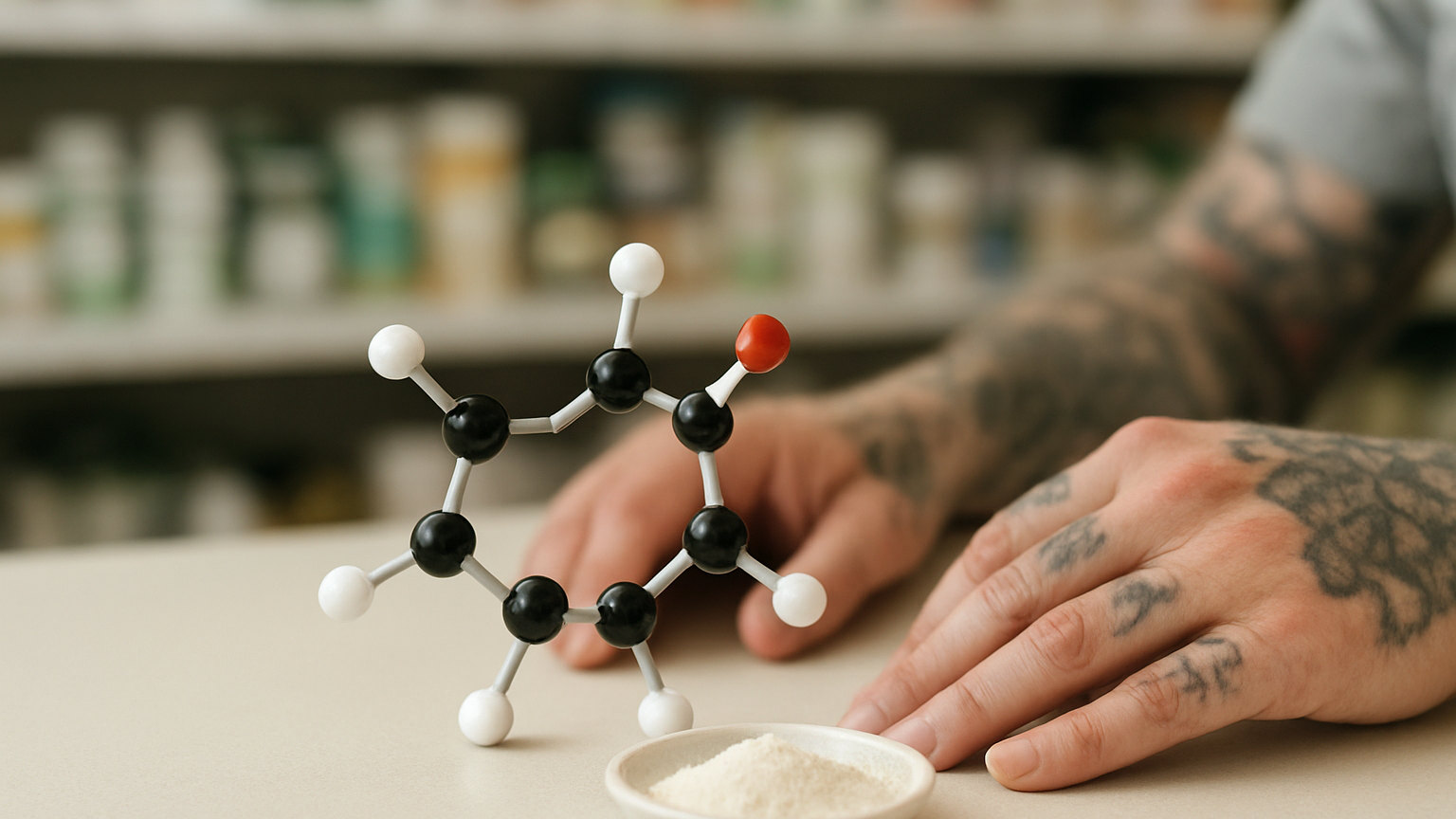
Building your own pre-workout is straightforward, considerably cheaper, and allows you to use the doses the research actually used rather than whatever fits a manufacturers cost model.
What would you include?
- Caffeine, 3 to 6 milligrams per kilogram of body weight, taken 45 to 60 minutes before
- Citrulline malate, 6 to 8 grams, for training volume and blood flow
- Beta-alanine, 3.2 grams daily, taken consistently rather than only before training
- Creatine monohydrate, 3 to 5 grams daily, at any time
These four cover essentially everything with reasonable evidence. Anything else in a commercial product is either weakly supported or present at token amounts.
What does it cost?
Bulk powders are inexpensive. Caffeine tablets cost pennies per dose, creatine monohydrate is among the cheapest supplements available, and citrulline and beta-alanine are modestly priced in bulk.
A properly dosed homemade version typically costs a fraction of a commercial pre-workout per serving, while containing more of the active ingredients.
What are the downsides?
Taste, principally. Citrulline malate is sour, beta-alanine is unpleasant, and unflavoured bulk powders mixed together are genuinely difficult to drink.
Adding it to squash or a flavoured drink helps considerably. Some people use capsules for the worst offenders.
Convenience is the other loss, since measuring four powders is more effort than one scoop.
Do you need to weigh them?
A cheap set of scales measuring to 0.1 grams is worthwhile, particularly for caffeine where precision matters for safety.
Using caffeine tablets rather than powder removes that concern entirely, and pure caffeine powder is genuinely dangerous to measure with kitchen spoons.
Should everything be taken pre-workout?
No, and this is where DIY has an advantage. Caffeine and citrulline are the ingredients that need to be taken before training.
Beta-alanine works through accumulation over weeks, so it can be taken at any time and splitting the dose reduces the tingling.
Creatine likewise works through saturation, so timing is irrelevant and taking it with a meal is easier.
What might you add?
Theanine at around 100 to 200 milligrams alongside caffeine, which some evidence suggests reduces jitteriness without blunting the benefit.
Sodium bicarbonate for efforts limited by acidity, though the gastrointestinal effects at effective doses make it impractical for most people.
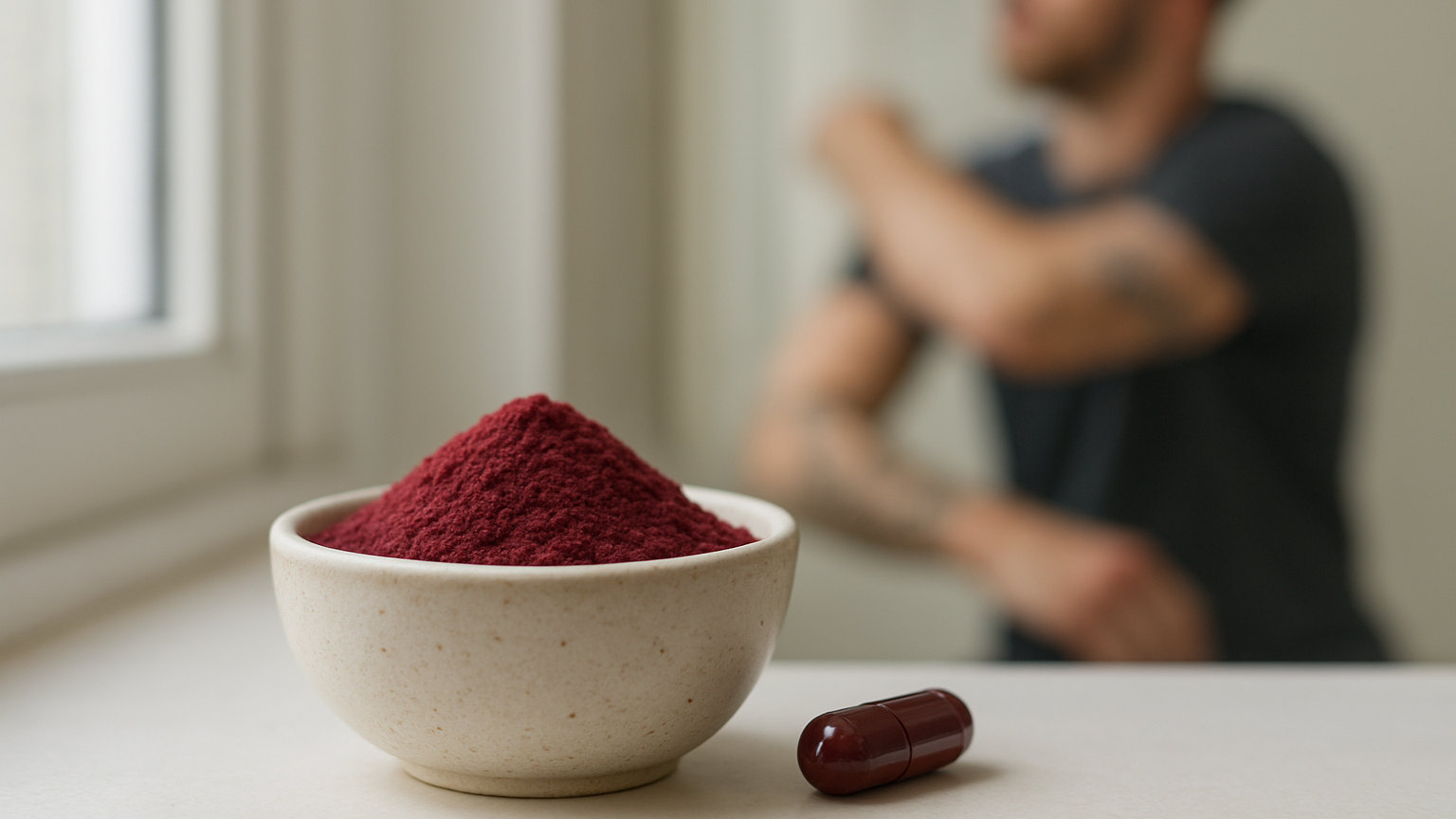
Beetroot juice or nitrate for endurance, which has reasonable evidence and needs to be taken two to three hours beforehand.
What should you leave out?
Arginine, which is poorly absorbed. BCAAs, if you eat adequate protein. The various herbal extracts and exotic compounds that pad commercial labels.
What is the summary?
Four ingredients at proper doses will outperform most commercial products at a lower cost. What you give up is convenience and palatability.
This article is general information and not medical advice.
Is it worth the effort?
If you train regularly and use a pre-workout most sessions, the annual saving is substantial and the doses are better.
If you use one occasionally, the convenience of a commercial product may be worth more than the saving.
Where should you buy ingredients?
Established bulk supplement retailers sell all four cheaply. Look for third party testing if you compete in a tested sport.
Buying pure caffeine powder is best avoided entirely, since accurate measurement is difficult and errors have proved fatal. Tablets remove the risk.
What does a simple version look like?
Caffeine tablets 45 minutes before, citrulline malate mixed into squash, and creatine and beta-alanine taken at any point in the day.
That covers everything with reasonable evidence and requires no specialist product at all.
What is the summary?
Four bulk ingredients at proper doses will outperform most commercial products for less money. You give up convenience and flavour, which some people will rightly value.
What is the practical takeaway?
Buy the four ingredients separately, use them at the doses the research used, and take the ones that work through accumulation at whatever time suits you.
Keeping the ingredients in separate labelled tubs and measuring them once a week into a small container removes most of the daily effort.