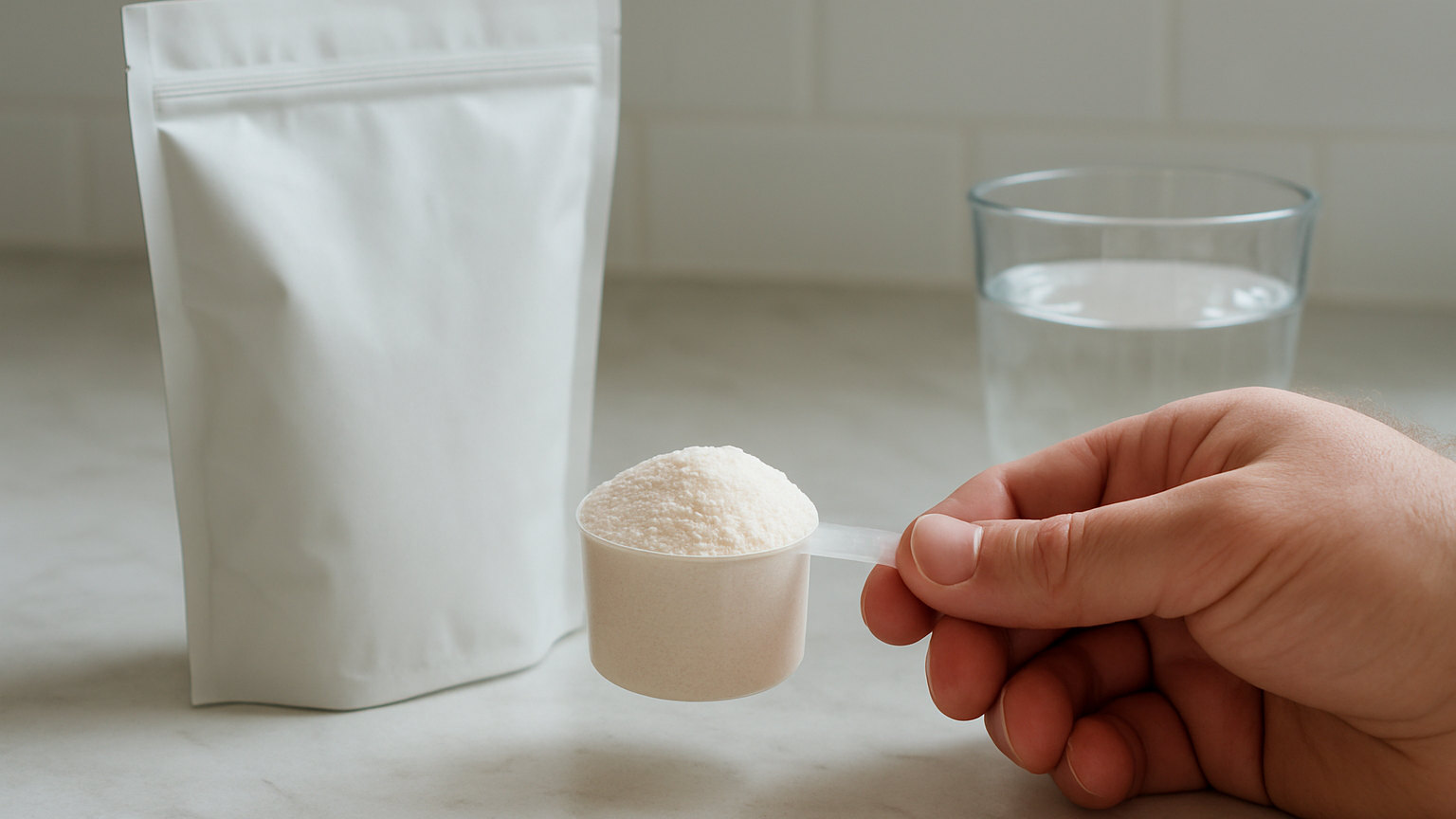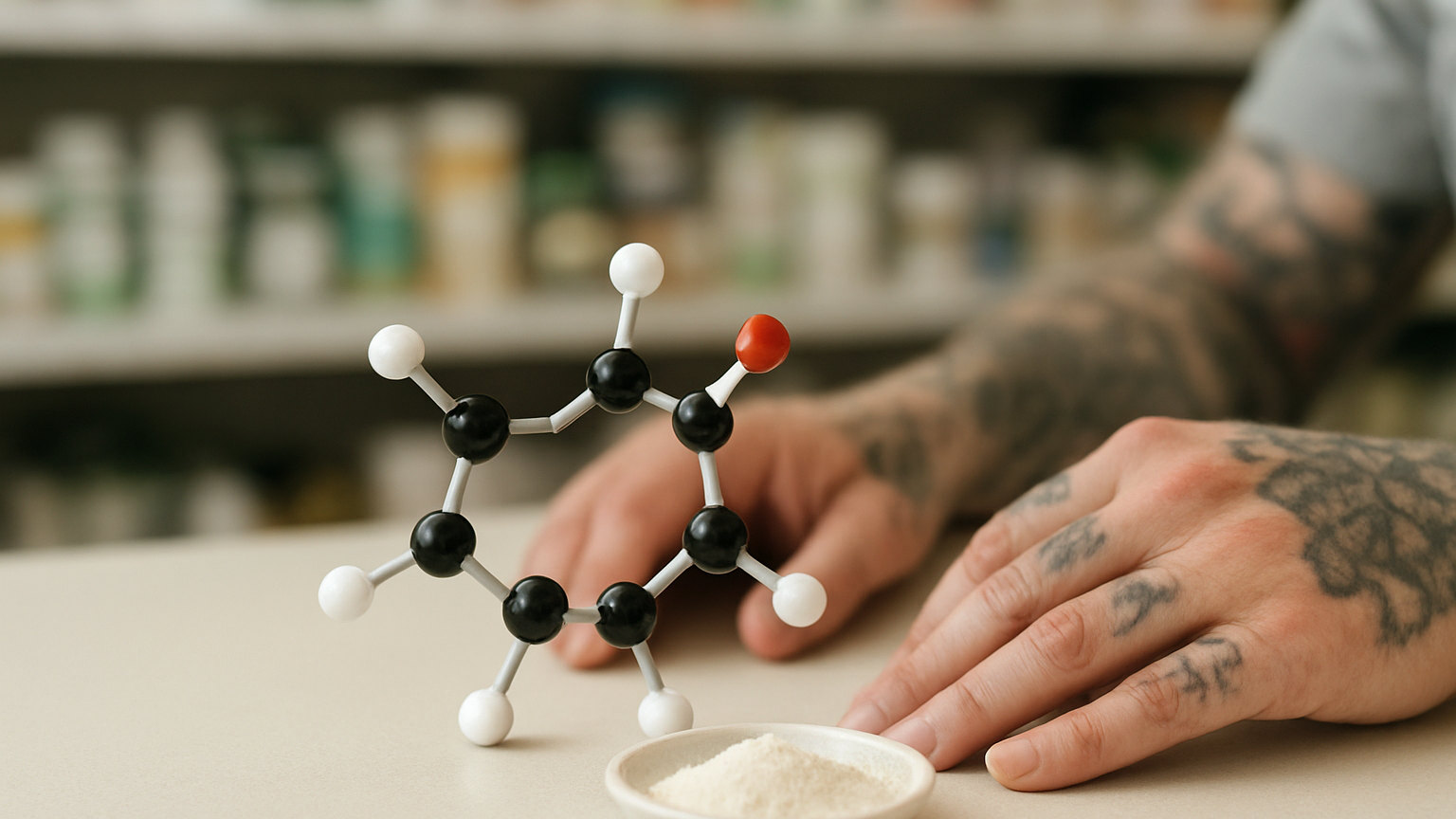
Creatine is one of the few supplements where the answer to which form is best is genuinely settled. Monohydrate is the standard, and the alternatives have consistently failed to demonstrate any advantage.
What forms are sold?
- Creatine monohydrate, the original and most researched form
- Micronised monohydrate, the same compound ground finer for better mixing
- Creatine hydrochloride, marketed for better solubility and lower doses
- Creatine ethyl ester, marketed for better absorption
- Buffered creatine, sold under names including Kre-Alkalyn
- Creatine nitrate, magnesium chelate and various others
Why is monohydrate the standard?
Because essentially all the research demonstrating creatine works used it. Hundreds of trials, decades of safety data and every major position stand refer to monohydrate.
It is also the cheapest by a considerable margin, which is unusual for the best supported option in any supplement category.
Absorption is close to complete, so claims that alternatives absorb better address a problem that does not exist.
What about creatine hydrochloride?
It dissolves more readily in water, which is a genuine property, and is marketed on the claim that this allows smaller effective doses.
Direct comparisons with monohydrate for performance outcomes are few and have not demonstrated superiority. Better solubility in a glass does not mean better delivery to muscle.
It costs considerably more per gram, which makes the value proposition poor without supporting evidence.
What about ethyl ester?
This one has been tested and performed badly. Studies found it degrades rapidly to creatinine in stomach acid, meaning less usable creatine reaches the muscle.
A comparison trial found ethyl ester less effective than monohydrate at raising muscle creatine content. It is one of the clearer cases of a marketed improvement being worse.
What about buffered forms?
Sold on the argument that raising pH prevents conversion to creatinine in the stomach.
A study comparing buffered creatine with monohydrate found no difference in muscle creatine content, strength or body composition. The premise that monohydrate degrades substantially in the stomach appears unfounded.
Is micronised worth it?
Marginally, and only for practical reasons. It is the same compound ground into smaller particles, which mixes more easily and may reduce gritty texture and stomach discomfort.
It is usually only slightly more expensive and is a reasonable choice if you find standard monohydrate unpleasant to drink.
Does creatine degrade in liquid?
Slowly. Creatine in solution converts to creatinine over time, particularly in acidic conditions and at higher temperatures.
Mixing it and drinking it within a reasonable period is fine. Pre-mixed liquid creatine products that have sat on a shelf for months are a genuine concern.
What should you buy?
Plain creatine monohydrate, ideally micronised if you want it to mix well, from a manufacturer with quality controls. Products carrying Creapure or a third party testing mark offer additional assurance.
Three to five grams daily. It should cost very little, and paying substantially more indicates you are buying marketing. This article is general information and not medical advice.
Does purity matter?
Somewhat. Creatine manufacturing can leave contaminants including creatinine, dicyandiamide and dihydrotriazine if quality control is poor.
Products carrying recognised quality marks or third party testing offer reasonable assurance, and reputable manufacturers publish analysis.
What about creatine gummies and drinks?
Newer formats have appeared, and independent testing has sometimes found lower creatine content than labelled, particularly in products where stability is a challenge.
Powder is the most stable and cheapest format, and it remains the sensible default unless you have a specific reason to prefer another.
What is the summary?
Buy monohydrate. It is the most researched, the cheapest and the only form with a substantial body of evidence behind it.
Every alternative has been marketed as an improvement and none has demonstrated one in direct comparison, which is unusually clear for a supplement question.
Paying more for creatine is one of the clearer examples of buying marketing rather than benefit, since the cheapest option is also the best evidenced.
Look for plain creatine monohydrate with no added ingredients, since blends often contain small amounts of creatine alongside expensive fillers.