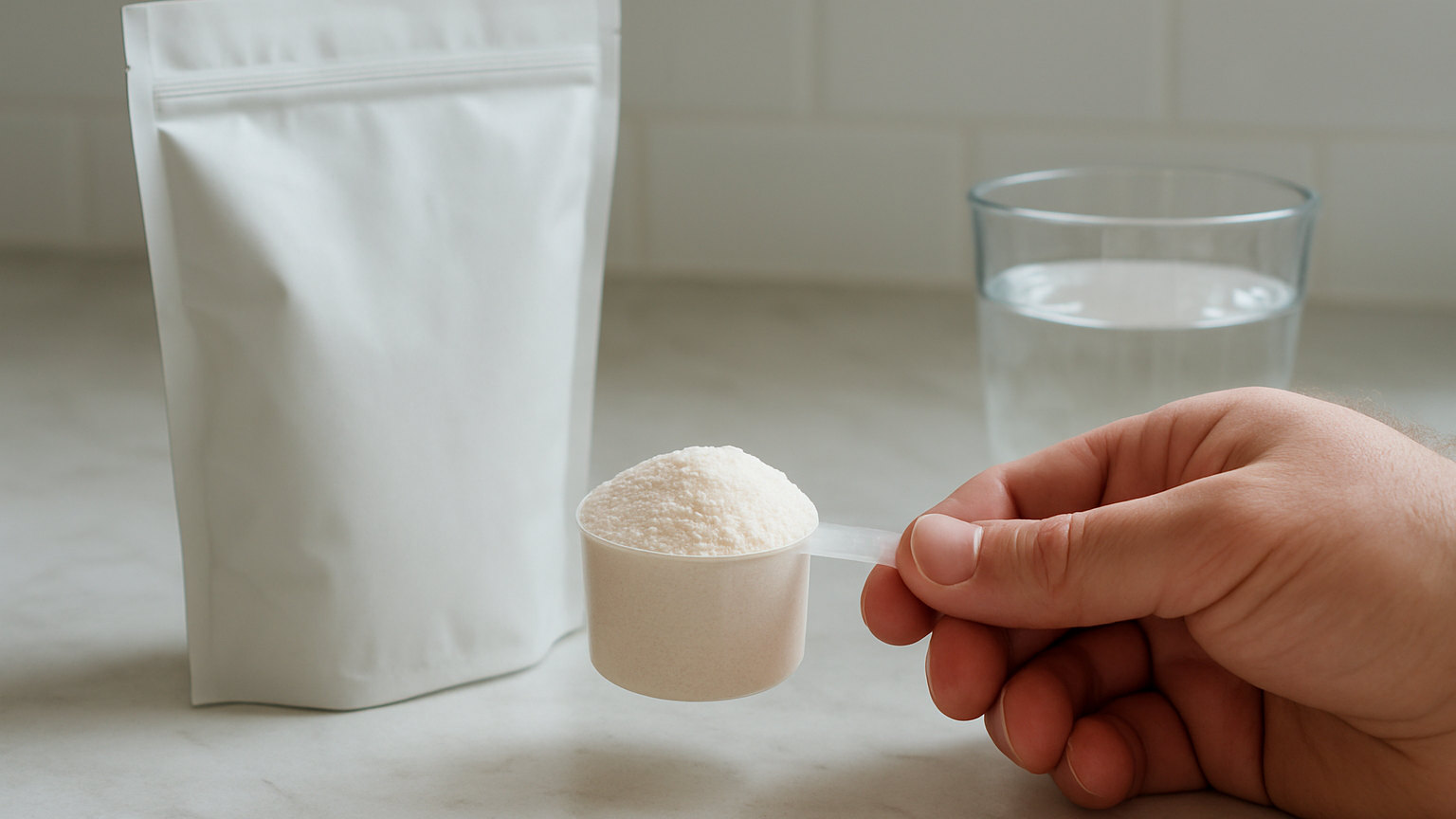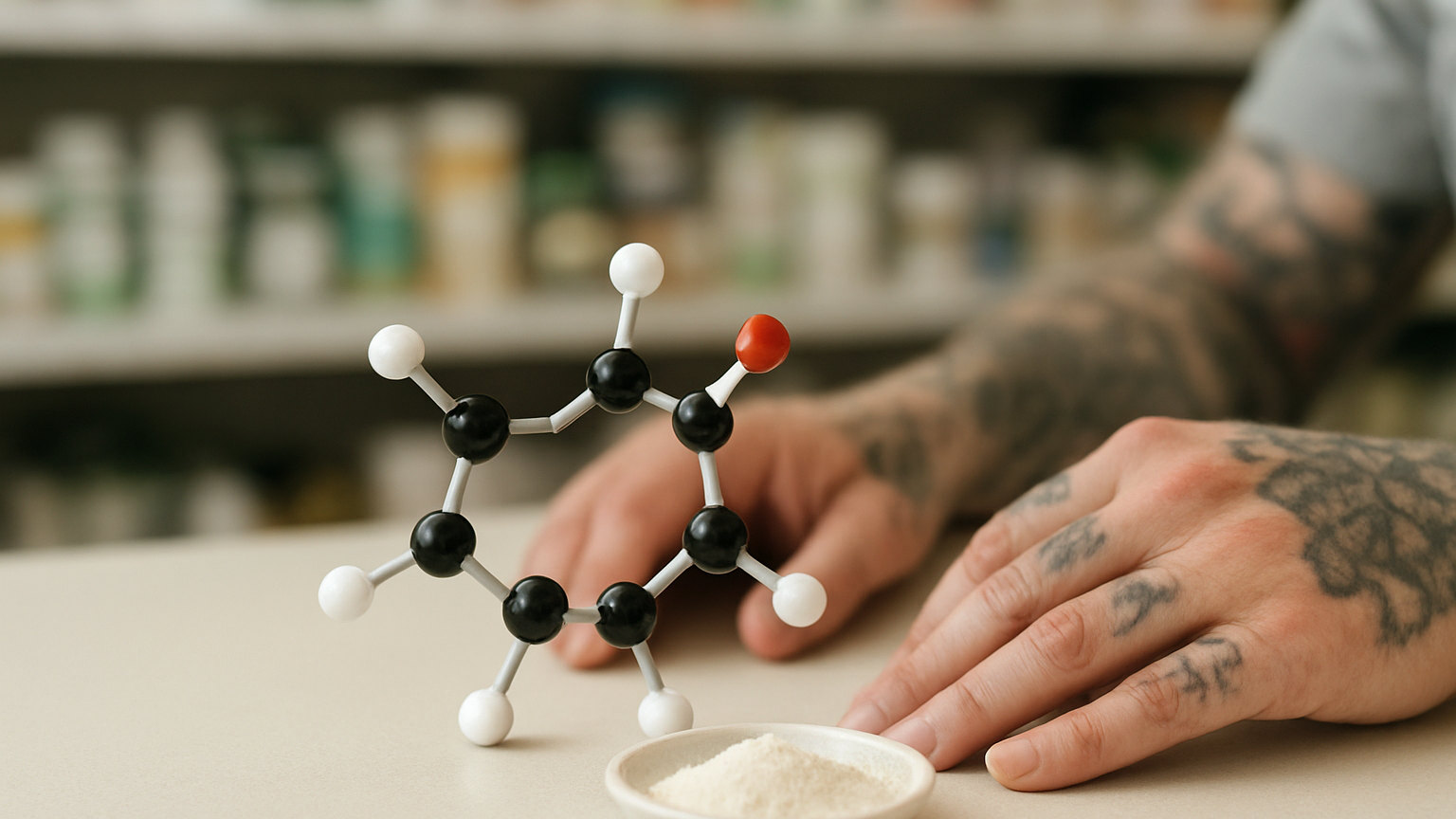
Creatine loading involves taking around 20 grams a day for five to seven days before dropping to a maintenance dose. It works, it is not necessary, and understanding why clarifies the whole question.
What does loading achieve?
It saturates muscle creatine stores faster. Taking 20 grams daily, usually split into four doses of five grams, fills stores within about a week.
Taking three to five grams daily reaches the same saturation in roughly three to four weeks. The end point is identical.
Studies comparing the two approaches have found equivalent muscle creatine content after a month, with the loading group simply arriving sooner.
When is loading worth doing?
- When a competition or event is within a few weeks
- When starting a training block and wanting the benefit immediately
- For research purposes where a short study period requires saturation
- When impatience outweighs the minor downsides
For someone training consistently over months or years, arriving at saturation three weeks later makes no practical difference.
What are the downsides?
Gastrointestinal discomfort is the main one. Larger doses, particularly taken at once, commonly cause bloating, stomach cramps and occasionally diarrhoea.
Splitting the loading dose into four separate five gram servings taken with meals substantially reduces this.
The initial water weight gain also arrives faster with loading, which some people find uncomfortable or unwelcome.
How much is wasted?
A fair amount during loading. Once stores approach saturation, additional creatine is excreted in urine rather than stored.
This is not harmful, and it does mean loading uses more product than the eventual benefit requires. Creatine is cheap enough that this rarely matters financially.
What is the maintenance dose?
Three to five grams daily is the standard recommendation, taken every day including rest days.
Larger individuals with more muscle mass may need the upper end or slightly more, since the total pool being maintained is bigger. Some guidance suggests around 0.03 grams per kilogram of body weight.
Does it matter whether you take it daily?
Consistency matters more than any timing consideration. Muscle creatine declines gradually if you stop, with stores returning towards baseline over about four to six weeks.
Missing an occasional day makes no meaningful difference, since the pool is large relative to the daily dose.
Should you reload after a break?
Not necessarily. If you have been off creatine for a few weeks, stores will have partly declined, and resuming a standard dose will restore them over several weeks.
Loading again simply speeds that up, with the same trade offs as before.
What is the practical recommendation?
Take three to five grams daily and skip loading unless you have a specific reason for speed. It is simpler, gentler on the stomach and reaches the same place.
If you do load, split it into four doses across the day and take them with food. This article is general information and not medical advice.
Does loading affect the final result?
No. Studies comparing loading with standard dosing have found equivalent muscle creatine content after around four weeks, and equivalent performance outcomes thereafter.
The only difference is the first three weeks, during which the loading group is saturated and the standard dose group is still filling up.
Is there a middle option?
Some people use a shorter or lighter loading phase, such as 10 grams daily for two weeks, which speeds saturation while reducing digestive discomfort.
There is nothing special about the standard protocols, and any approach that gets creatine into you consistently will saturate stores eventually.
What is the summary?
Loading gets you to saturation in a week and a standard dose gets you there in a month. Both arrive at the same place, so choose based on whether speed or comfort matters more to you.
Three to five grams daily thereafter maintains stores indefinitely, and that is the number that matters long term.
Neither protocol is wrong, and the choice is genuinely a matter of preference rather than of effectiveness.