Bitter orange entered the supplement market for a specific commercial reason, and understanding that history explains most of what is worth knowing about it.
What is bitter orange?
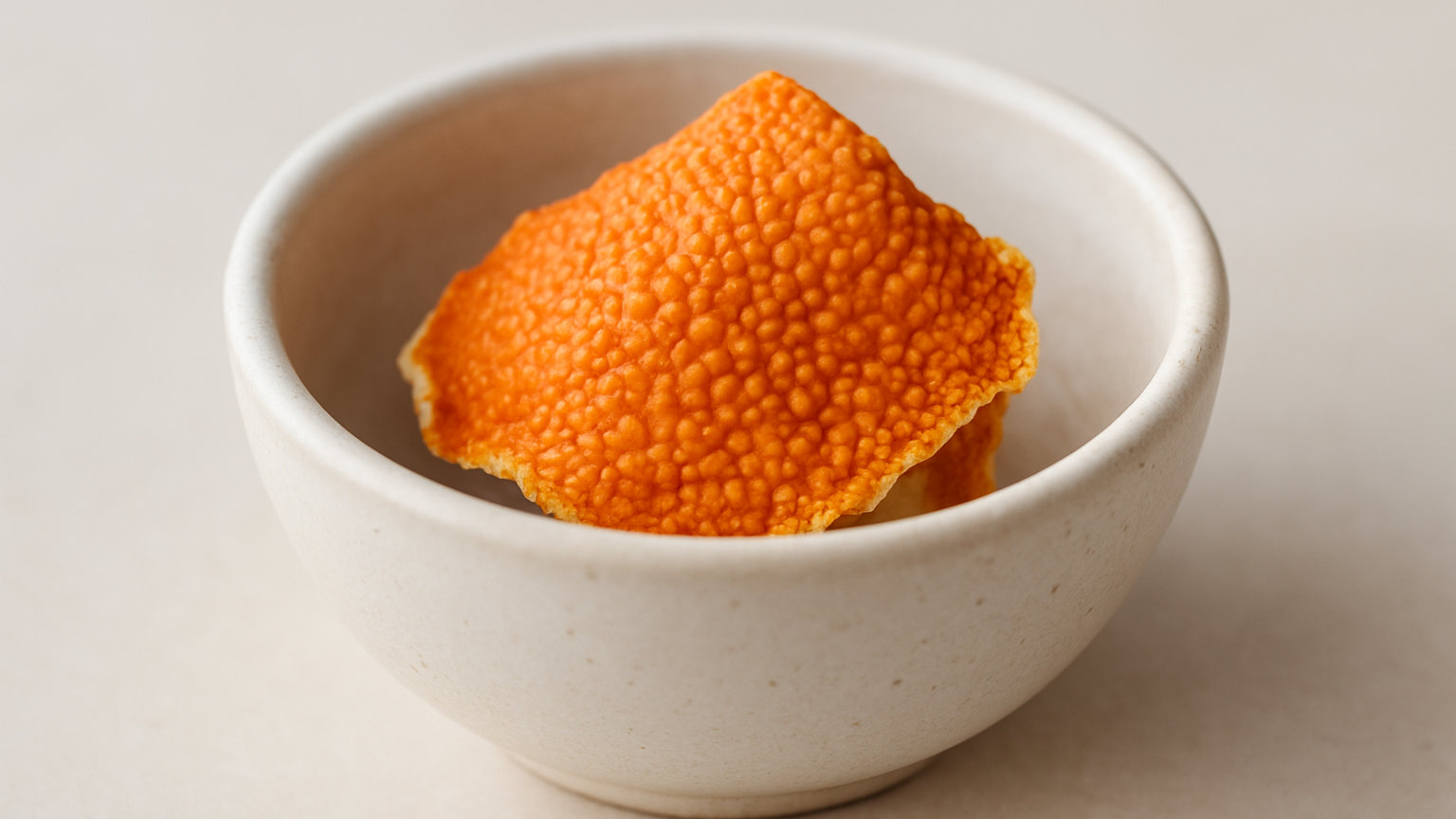
The fruit of Citrus aurantium, used in marmalade and in traditional Chinese medicine, and extracted for a compound called synephrine.
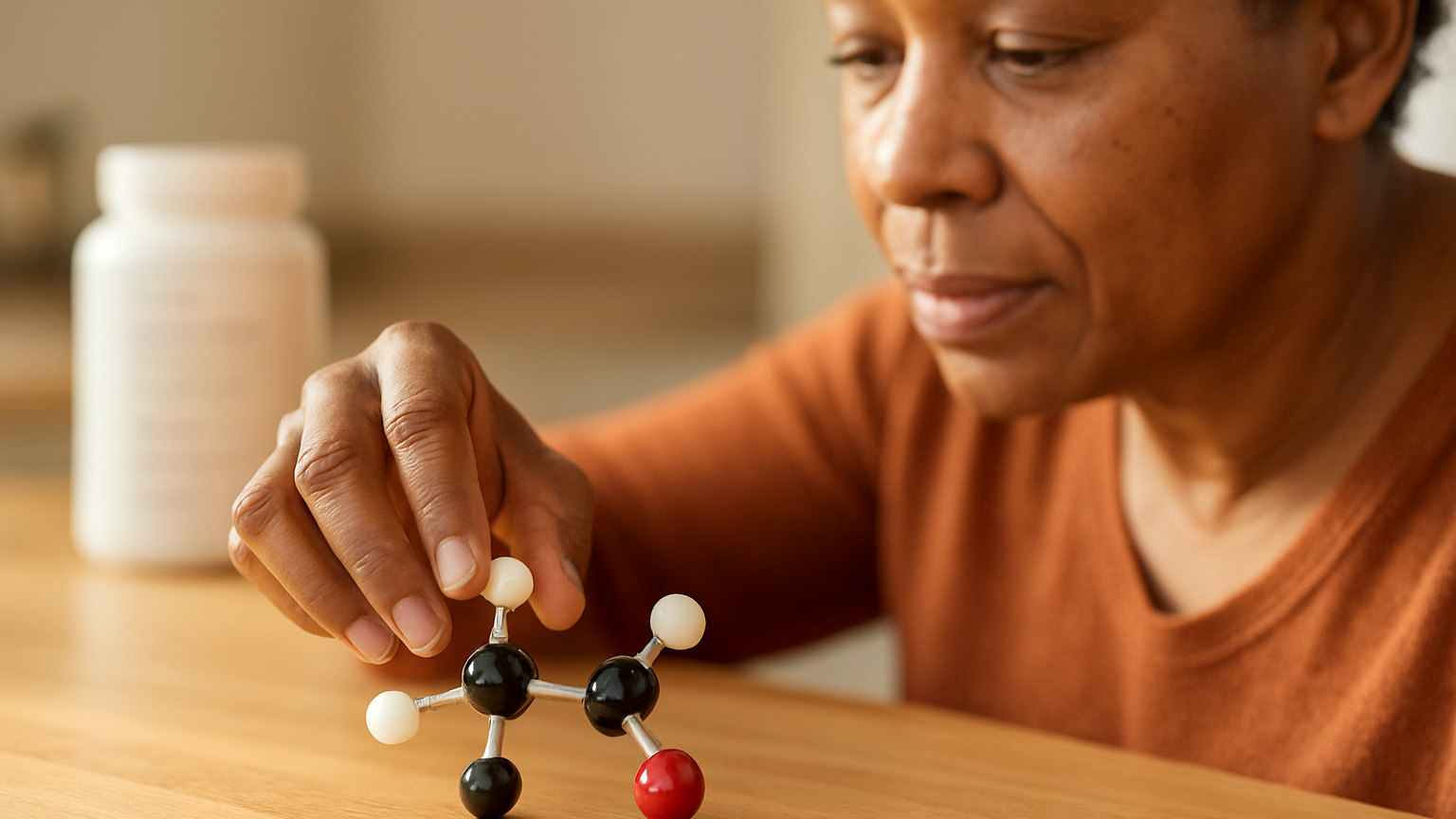
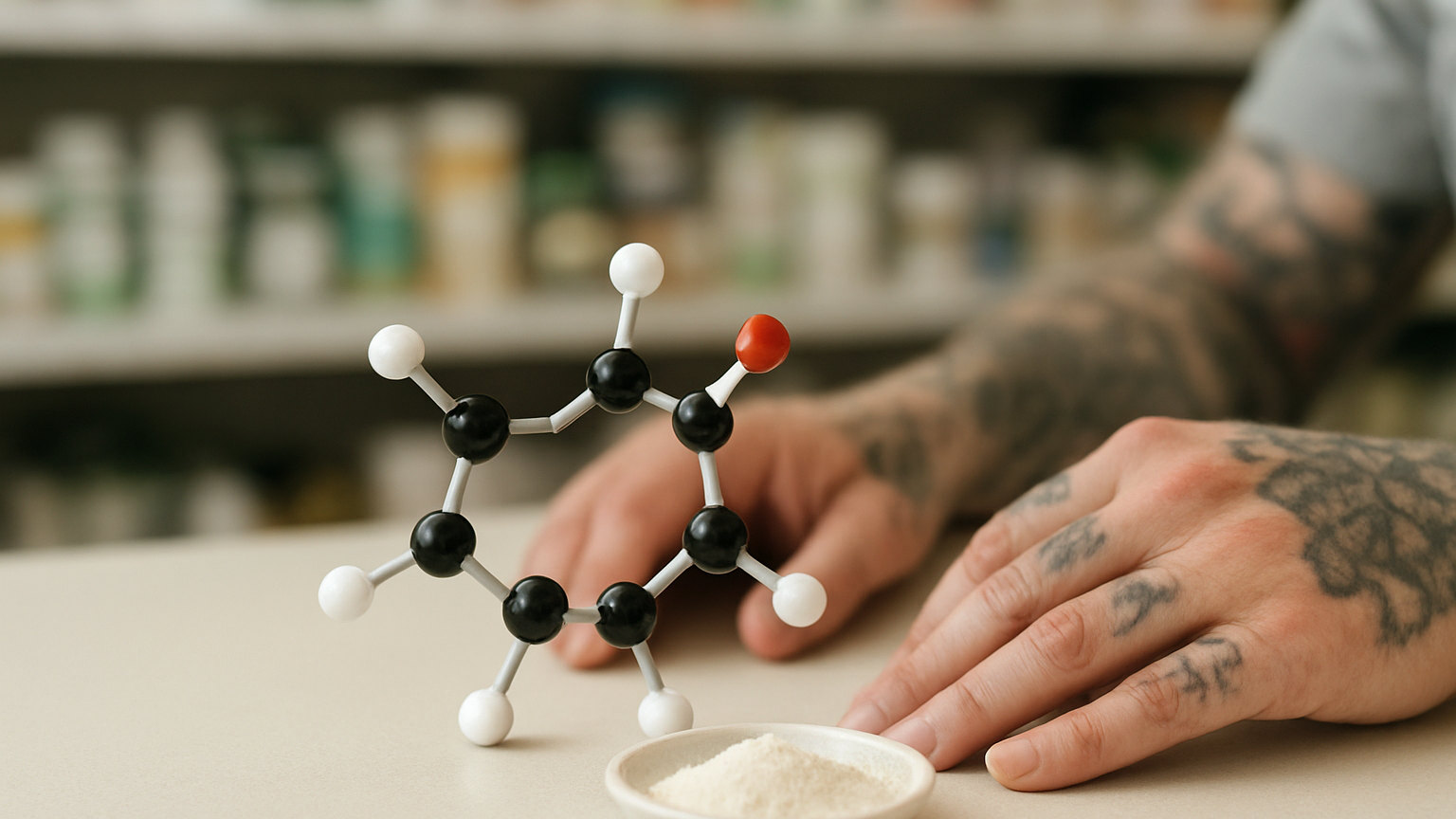
Synephrine is structurally similar to ephedrine, which is the basis of both its effects and its risks.
Why was it added to fat burners?
Ephedra was widely used in weight loss and stimulant products until it was withdrawn following serious adverse events including deaths.
Bitter orange was adopted as a replacement offering similar stimulant effects, and it now appears across the fat burner category.
What does it do?
Synephrine stimulates adrenergic receptors, increasing heart rate, blood pressure and energy expenditure modestly.
Any increase in energy expenditure is small and does not substitute for an energy deficit.
What does the research show?
Trials examining bitter orange for weight loss have been small and short, with modest and inconsistent findings.
Reviews have found insufficient evidence to support it as a weight loss aid.
What are the safety concerns?
- Raised heart rate and blood pressure
- Palpitations and chest discomfort
- Anxiety and agitation
- Case reports of serious cardiovascular events, frequently involving products combining it with caffeine
Why does the caffeine combination matter?
Because most products containing bitter orange also contain caffeine, and the cardiovascular effects add together.
Case reports of adverse events have disproportionately involved these combinations rather than synephrine alone.
What is the grapefruit effect?
Bitter orange contains furanocoumarins, the compounds responsible for the grapefruit drug interaction.
These inhibit an enzyme that metabolises many medicines, raising their blood levels.
That gives bitter orange an interaction profile separate from its stimulant effects.
Who should avoid it?
Anyone with heart disease, high blood pressure, an arrhythmia or an anxiety disorder.
Anyone taking regular medication, given the enzyme inhibition.
Pregnant and breastfeeding women.
What about athletes?
Synephrine has been monitored in anti-doping programmes, and stimulant containing products carry a general contamination risk.
Anyone subject to testing should avoid this category or use certified products.
Is marmalade a concern?
No. Culinary amounts of bitter orange are small, and the concern relates to concentrated extracts standardised for synephrine.
What is the summary?
Bitter orange supplies synephrine, replaced ephedra in fat burners, raises heart rate and blood pressure, and interacts with medicines like grapefruit does.
This article is general information and not medical advice.
What should you check on a label?
Whether bitter orange, Citrus aurantium or synephrine appears anywhere, including within proprietary blends.
It is frequently present in products marketed simply as thermogenic.
What does it illustrate?
That when a stimulant is withdrawn on safety grounds, the market frequently replaces it with something chemically similar.
That pattern has repeated several times in this category.
What about weight loss generally?
The fat burner category has the worst adulteration record in the supplement market, alongside little evidence of effect.
Bitter orange is among the more common legitimate ingredients in it.
That is a low bar.
Who should avoid it?
Anyone with cardiovascular disease, raised blood pressure or anxiety, and anyone on regular medication.
Given the interaction profile that covers a broad group.
Athletes subject to testing should avoid the category.
What should you expect?
A small increase in energy expenditure alongside a raised heart rate, based on the available research.
That is not a favourable trade for most people.
Weight management approaches with evidence are covered elsewhere in this guide.
What is the honest position?
A stimulant adopted to replace a withdrawn stimulant, with modest evidence and documented cardiovascular reports.
The caffeine combination is where most of the risk sits.
Totalling your stimulant intake across all products is worth doing.
Products concealing stimulant content in proprietary blends are worth avoiding entirely.
You cannot total what is not stated.
Anyone with a heart condition or raised blood pressure should avoid this whole category altogether.