Sports research has traditionally used anhydrous caffeine in capsules, which led to an assumption that coffee is somehow less effective. Studies comparing them directly have generally not supported that.
What does the comparison research show?
Trials comparing coffee with anhydrous caffeine at matched doses have generally found similar performance effects.
A meta-analysis examining coffee as an ergogenic aid concluded it improves endurance performance comparably to caffeine in other forms.
The idea that compounds in coffee blunt caffeines effect has not held up, though it circulated widely for some years.
What is the real difference?
Dose control. Caffeine content in coffee varies enormously depending on bean variety, roast, grind, brewing method, water temperature and serving size.
Analyses of coffee from high street outlets have found several-fold differences in caffeine content between identical drinks from different shops, and variation between servings from the same shop.
A capsule stating 200 milligrams delivers 200 milligrams. A large coffee might deliver anywhere from 100 to 400.
Why does that matter?
For someone taking a performance dose based on body weight, an unknown quantity makes the calculation meaningless.
It also matters for anyone tracking total intake against safety limits or managing sleep, since the estimate could be out by a large margin.
Are there advantages to coffee?
- It is a normal part of most peoples routine and requires no supplement
- It contains polyphenols associated with health benefits in observational research
- The warmth and ritual have value that pharmacology does not capture
- It is widely available and needs no planning
Are there advantages to capsules?
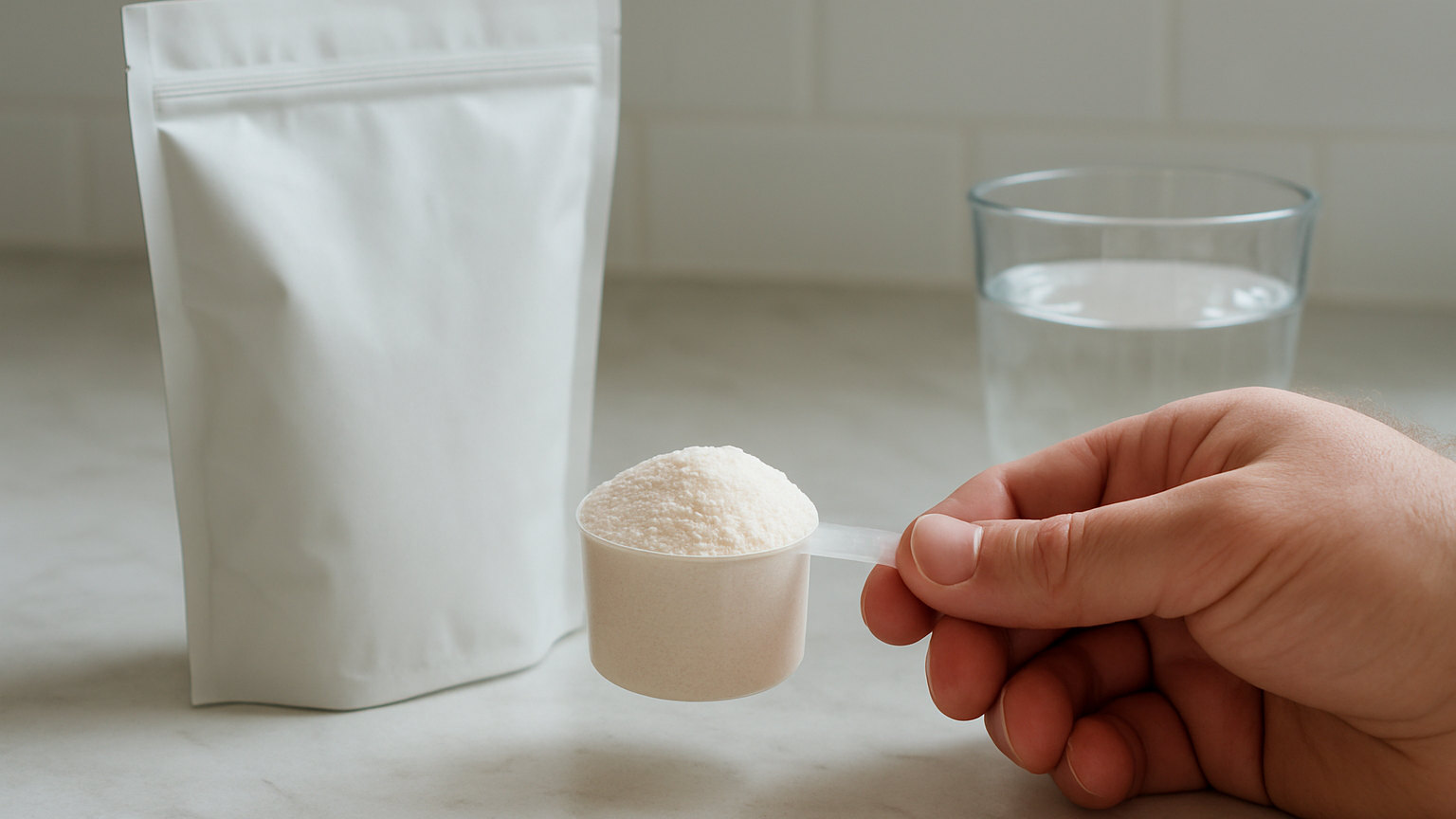
Precise dosing, portability, no gastrointestinal effects from coffee itself, and no need to consume liquid before exercise, which some athletes prefer.
They are also considerably cheaper per dose than café coffee.
What about decaffeinated coffee?
It contains small amounts of caffeine, typically a few milligrams per cup rather than none.
Studies using decaf as a placebo have sometimes reported small effects, which may reflect that residual caffeine or expectancy.
Does energy drink caffeine differ?
The caffeine is chemically identical. Energy drinks contain additional ingredients including taurine, B vitamins and often sugar, and the caffeine is doing most of the work.
Research on energy drinks generally finds effects consistent with their caffeine content.
What should you use?
Coffee if you enjoy it and precise dosing does not matter. Capsules if you want to control the dose, particularly when experimenting with what works for you.
Many athletes use capsules for competition and coffee otherwise, which is a reasonable compromise.
This article is general information and not medical advice.
Does coffee preparation matter?
Considerably for caffeine content. Filter and cafetiere coffee generally contain more than espresso per serving, despite espresso being more concentrated, because the serving is larger.
Robusta beans contain roughly twice the caffeine of arabica, which is one reason blends vary so much.
Is coffee healthier than pills?
Observational research associates coffee consumption with favourable outcomes for several conditions, which caffeine pills would not replicate.
Those associations may reflect the polyphenols in coffee or may reflect who drinks it. They are a reasonable point in coffees favour without being decisive.
What do athletes typically use?
Both, often coffee in training and measured capsules or gels in competition, where dose certainty matters more.
Caffeine gum is also used where rapid absorption is wanted partway through an event.
What is the summary?
Coffee works. Capsules give you dose certainty, which matters when you are calculating milligrams per kilogram or tracking intake against a limit.
For most people the choice comes down to preference rather than effectiveness.
If you are working out a dose based on body weight, capsules make that calculation meaningful in a way that a coffee shop drink cannot.
For everyday training, coffee is perfectly adequate and considerably more enjoyable for most people.
Whichever you choose, knowing roughly how much you are getting is the part that matters, and that is where coffee and capsules genuinely differ.