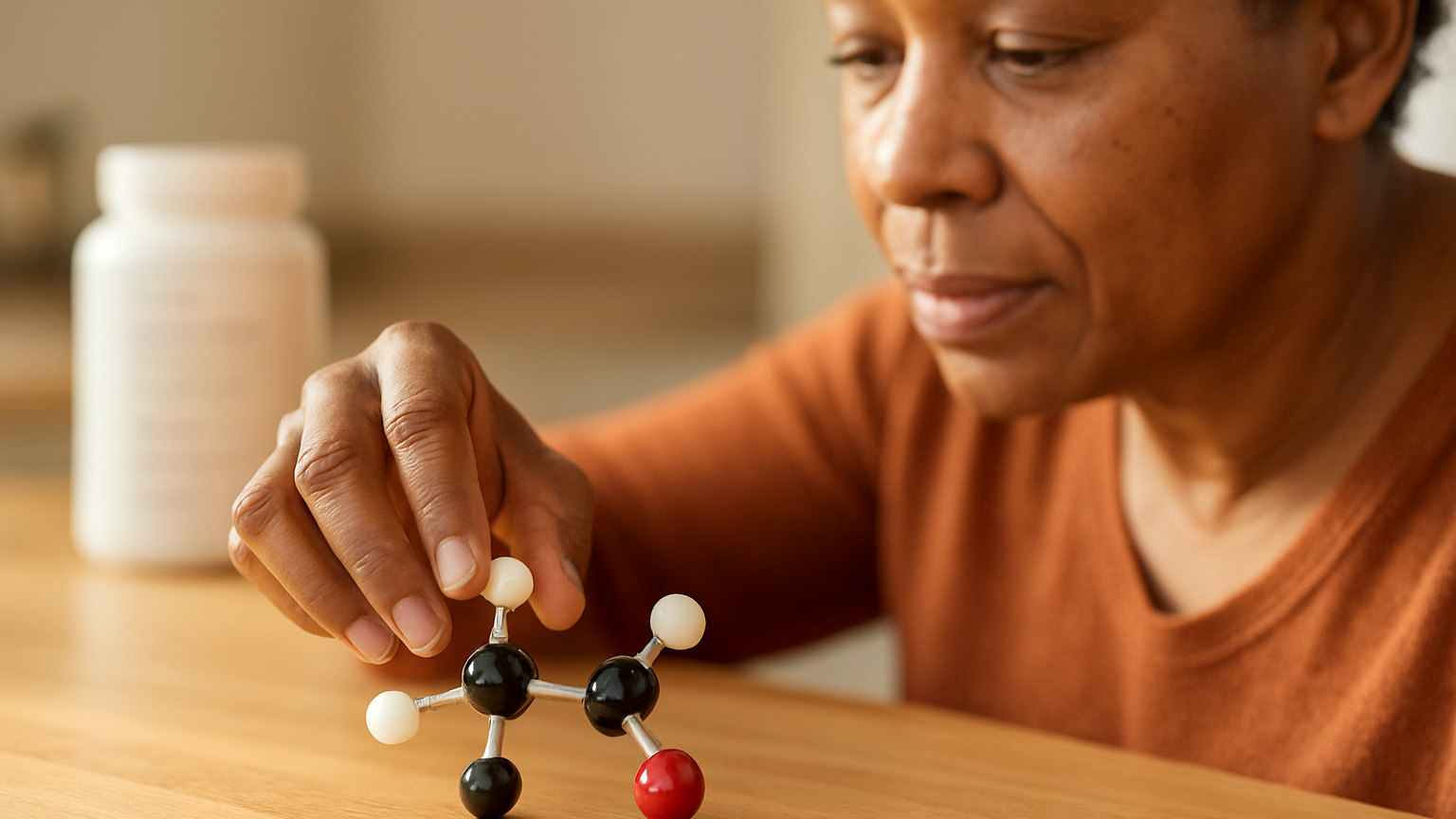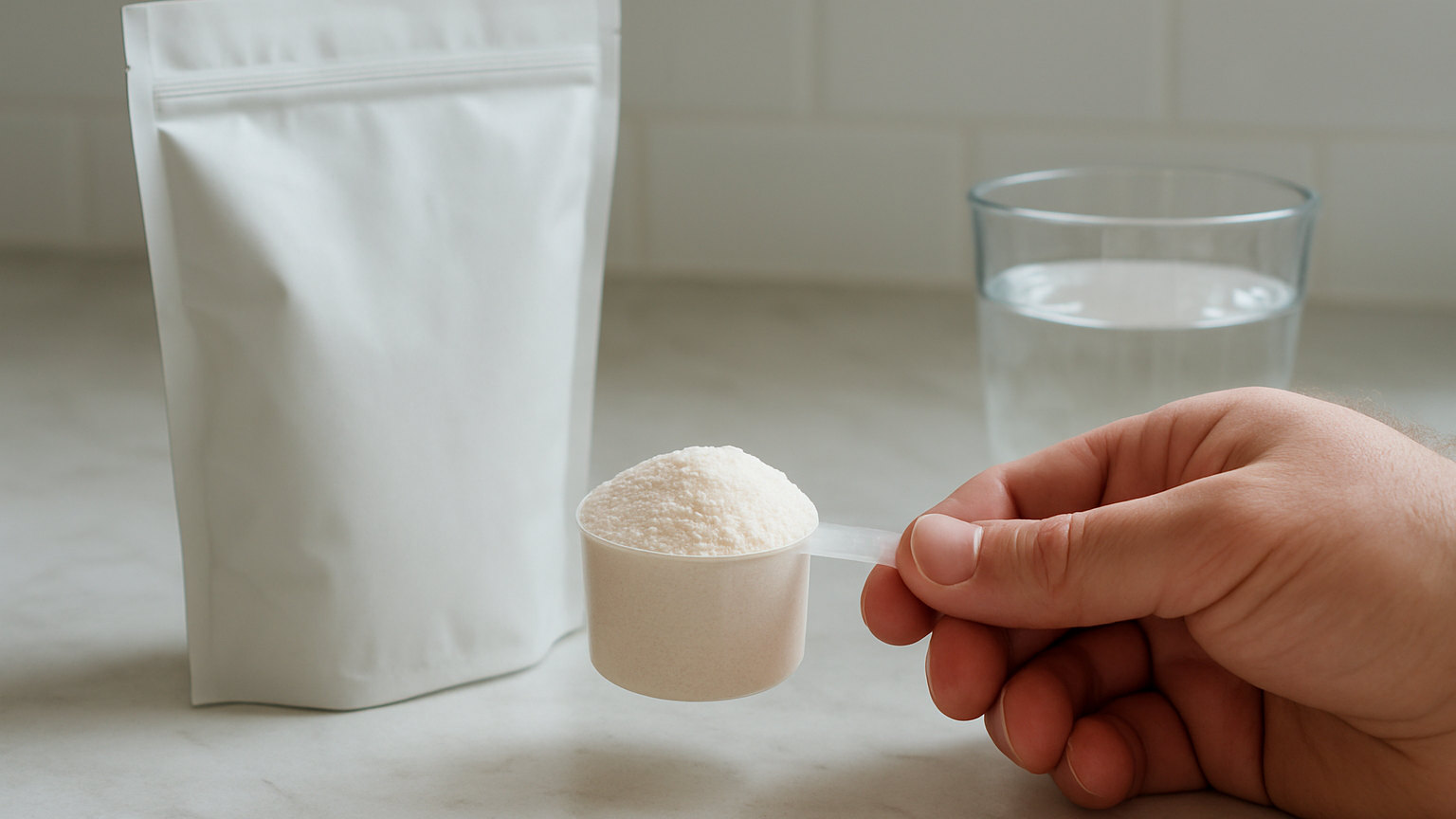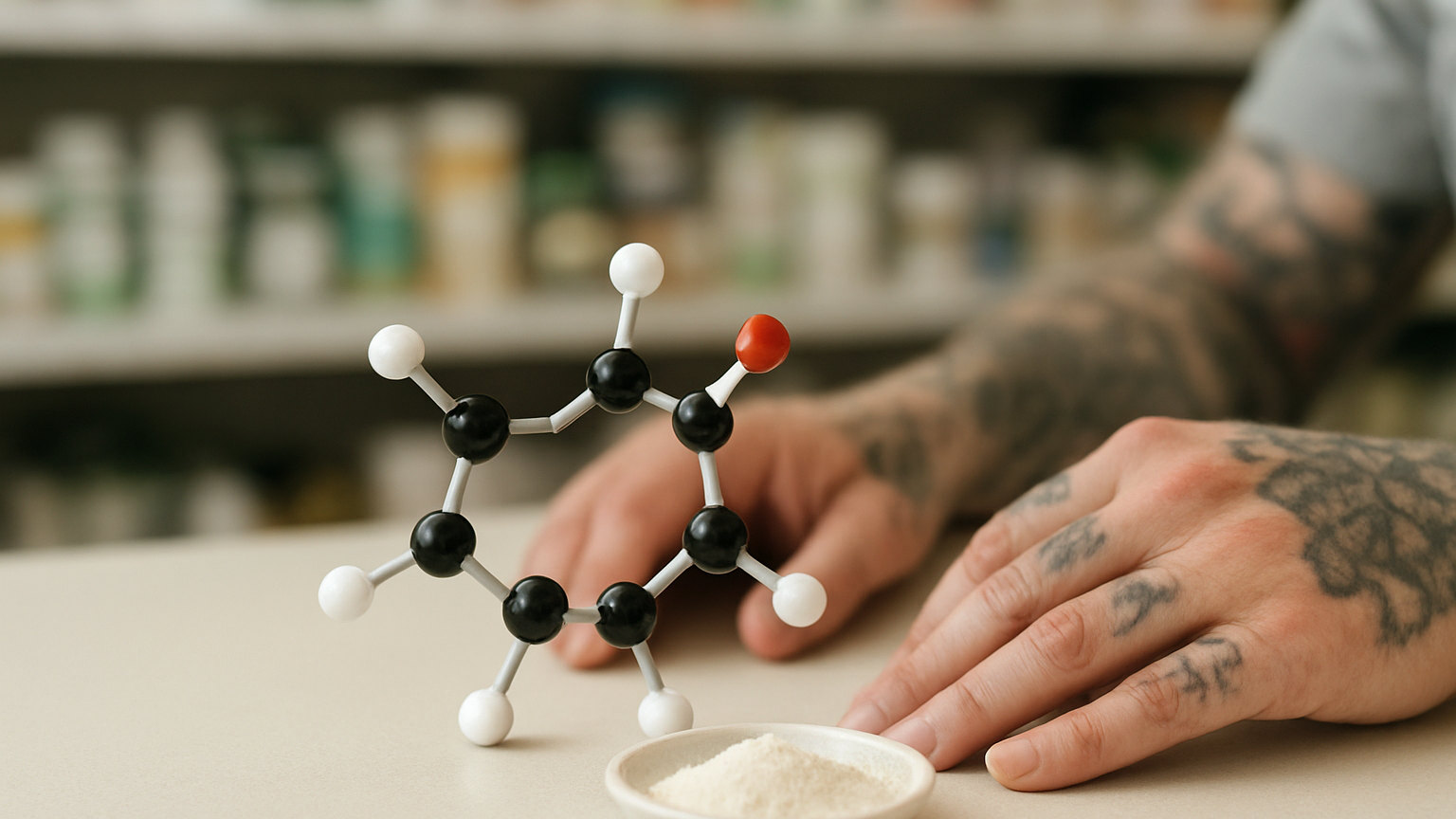
Caffeine is safe for most adults at ordinary intakes and genuinely dangerous in concentrated form. The gap between a normal day and a fatal dose is wide, and it has been crossed by people using pure powder.
What are the official limits?
European safety assessment concluded that up to 400 milligrams a day is not a safety concern for healthy adults, with single doses up to 200 milligrams considered safe.
For pregnancy the figure is 200 milligrams daily, which UK guidance also uses.
Four hundred milligrams is roughly four cups of brewed coffee, though coffee strength varies enough that this is an approximation.
What are the symptoms of too much?
- Restlessness, anxiety and jitteriness
- Rapid or irregular heartbeat
- Insomnia and disrupted sleep
- Stomach upset, nausea and diarrhoea
- Headache and tremor
- Increased urination
At higher levels, vomiting, confusion, seizures and dangerous heart rhythm disturbances can occur, which is a medical emergency.
What makes powdered caffeine dangerous?
Concentration. Pure caffeine powder is potent enough that a teaspoon can contain several thousand milligrams, equivalent to dozens of cups of coffee.
Deaths have occurred from people measuring pure powder with kitchen spoons rather than scales, and regulators in several countries have restricted its sale.
The lethal dose is generally estimated in the region of 10 grams for adults, though sensitivity varies and deaths have occurred at lower amounts.
What about energy drinks?
A typical 250ml can contains around 80 milligrams, comparable to a cup of coffee. Larger cans and shots contain considerably more.
The concern with energy drinks is less about caffeine content per can and more about consumption patterns, particularly rapid consumption of multiple cans, combination with alcohol, and use by adolescents.
Who should have less?
Pregnant women, at 200 milligrams daily. People with anxiety disorders, who often find caffeine worsens symptoms.
Anyone with heart rhythm problems, uncontrolled high blood pressure, or on medicines that interact. People with insomnia or poor sleep.
Children and adolescents, for whom no established safe level exists and guidance generally advises avoidance or strict limits.
Which medicines interact?
Several affect caffeine metabolism. Some antibiotics including ciprofloxacin substantially slow caffeine clearance. Oral contraceptives roughly double the half life.
Smoking speeds clearance considerably, which means stopping smoking can effectively double caffeine exposure at the same intake.
Certain asthma medicines, some antidepressants and thyroid treatments also interact.
What about pre-workout products?
These commonly contain 150 to over 400 milligrams per serving, sometimes alongside other stimulants.
Taking a full serving alongside coffee and an energy drink is how people reach concerning totals without deliberately trying.
What should you do?
Total your intake from all sources including tea, coffee, energy drinks, pre-workout and any medicines containing caffeine.
Seek urgent medical help for chest pain, severe palpitations, confusion or seizures. This article is general information and not medical advice.
Does regular intake carry long term risks?
Large observational studies of coffee consumption have generally found neutral or favourable associations with mortality and several diseases.
These are observational and cannot establish causation, and they are reassuring about moderate habitual intake.
What about blood pressure?
Caffeine causes a modest acute rise in blood pressure, to which tolerance partly develops in regular consumers.
People with uncontrolled hypertension are generally advised to moderate intake and discuss it with their GP.
How would you know you were overdoing it?
Poor sleep, anxiety, palpitations, tremor and headaches on days when you have less than usual are the common signals.
Totalling your intake for a few days is usually revealing, since people consistently underestimate it.
What is the summary?
Four hundred milligrams daily is the adult guidance, 200 in pregnancy, and pure powder is genuinely dangerous. Total your intake from all sources rather than counting cups.
Caffeine is safe at ordinary intakes and is not harmless at any dose, which is a distinction worth holding onto.
Anyone with a heart condition, anxiety disorder or who is pregnant should treat the general adult figures as an upper bound rather than a target.