Caffeine is the most widely used performance aid in the world and one of the few supplements with genuinely strong evidence behind it. The mechanism is now reasonably well understood, and it is not the one most people were taught.
What is the main mechanism?
Caffeine blocks adenosine receptors in the brain. Adenosine accumulates during wakefulness and during exercise, binding to receptors and producing drowsiness and a sense of fatigue.
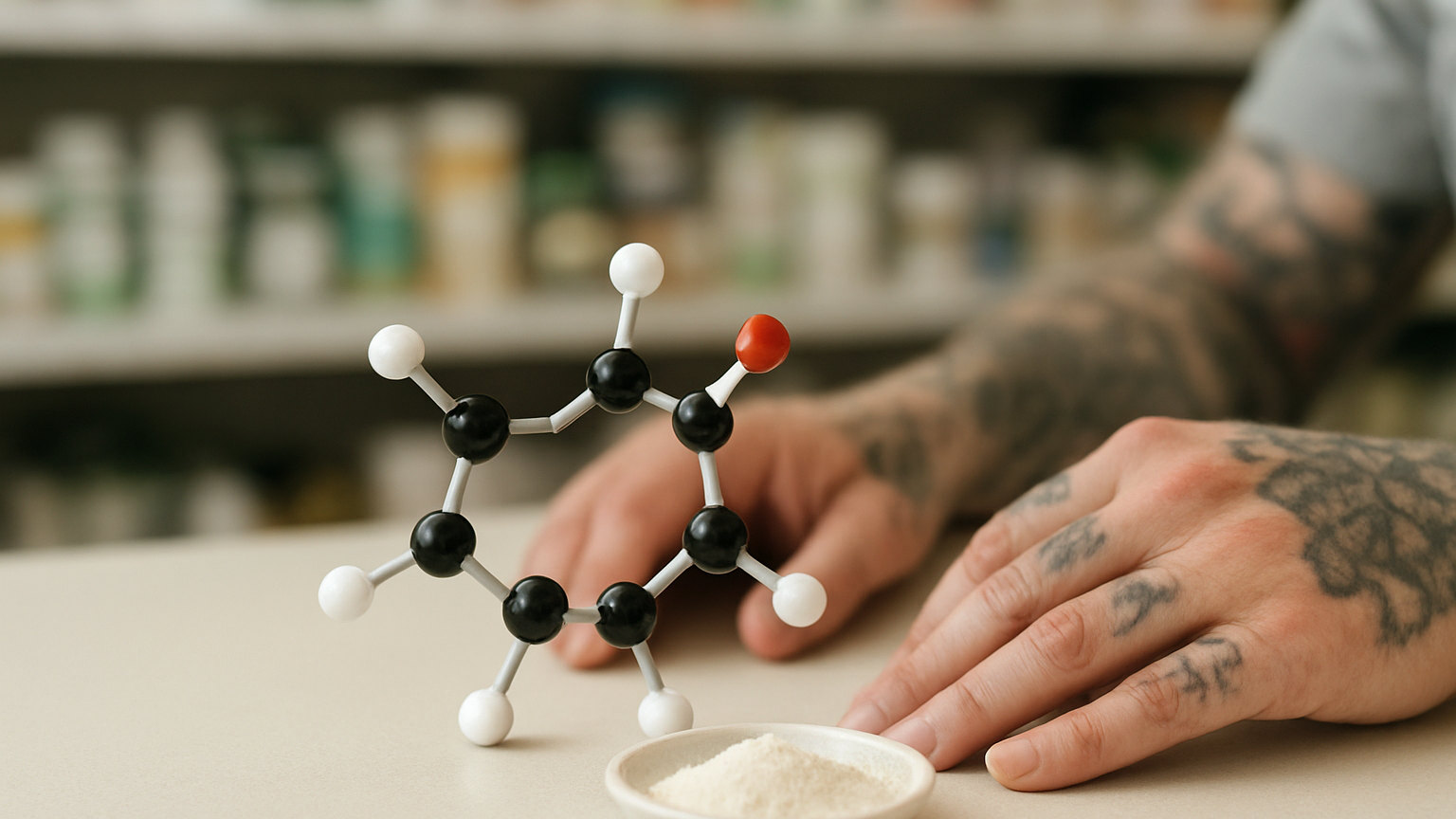
Caffeine is structurally similar enough to occupy those receptors without activating them, so the fatigue signal is dampened.
The practical result is that a given effort feels easier. Studies consistently find reduced ratings of perceived exertion at the same workload, which is the core of the effect.
What happened to the fat burning explanation?
Older textbooks attributed caffeines benefit to increased fat oxidation, sparing muscle glycogen for later in an event.
This has largely been abandoned. The effect on fat oxidation is modest at exercise intensities that matter, and studies have found performance benefits without any glycogen sparing.
The theory persists in popular writing long after the research moved on, which is worth knowing when you encounter it.
Are there muscle level effects?
Caffeine does affect calcium release within muscle fibres in laboratory conditions, which could improve force production.
The concentrations required are considerably higher than those achieved by drinking coffee, so this is unlikely to contribute meaningfully at normal doses.
There may be a smaller contribution from effects on motor unit recruitment and pain perception during hard effort.
How large is the benefit?
Meta-analyses examining endurance performance have reported improvements typically in the region of two to four per cent, which is substantial in competitive terms.
Effects on strength and power are smaller but consistently positive, generally in the low single digits.
For a recreational trainee, this translates into training feeling more manageable rather than into dramatic changes.
What kind of exercise benefits most?
- Endurance events, where the evidence is strongest
- Repeated sprint and team sport activity
- Resistance training, with smaller but real effects on volume
- Anything requiring sustained concentration and reaction
The common thread is that caffeine helps most where fatigue is limiting performance rather than where pure mechanical capacity is.
Does it work in habitual users?
Yes, which surprises people who assume tolerance eliminates the benefit. Studies comparing habitual and non-habitual consumers have generally found performance benefits in both.
Tolerance develops to some effects, including the alerting effect and the rise in blood pressure, more than to the performance effect.
Why is it not banned?
It was on the prohibited list in competitive sport at one time and was removed, partly because of the difficulty of separating dietary intake from deliberate supplementation.
It remains on monitoring programmes, and athletes should check current rules for their sport rather than assuming.
What is the summary?
Caffeine works by making effort feel easier through effects on the brain rather than the muscle. It is genuinely effective, well evidenced and cheap.
This article is general information and not medical advice.
Does it work for everyone?
Most people respond, and the size of the effect varies considerably between individuals. Genetics, habitual intake, sleep debt and body weight all contribute to that variation.
A minority report no benefit or find the side effects outweigh it, particularly at higher doses. Testing your own response in training is more informative than any general figure.
What does it not do?
It does not replace sleep, though it masks the effects of sleep loss temporarily. It does not improve technique, and it does not build fitness.
It also does not meaningfully burn fat at exercise intensities that matter, despite persistent marketing to that effect.
How does it compare with other supplements?
Favourably. Along with creatine, caffeine is among the small number of supplements that position stands from sports nutrition bodies consistently support for performance.
It is also cheap, widely available and requires no special product, which makes the cost benefit unusually good.