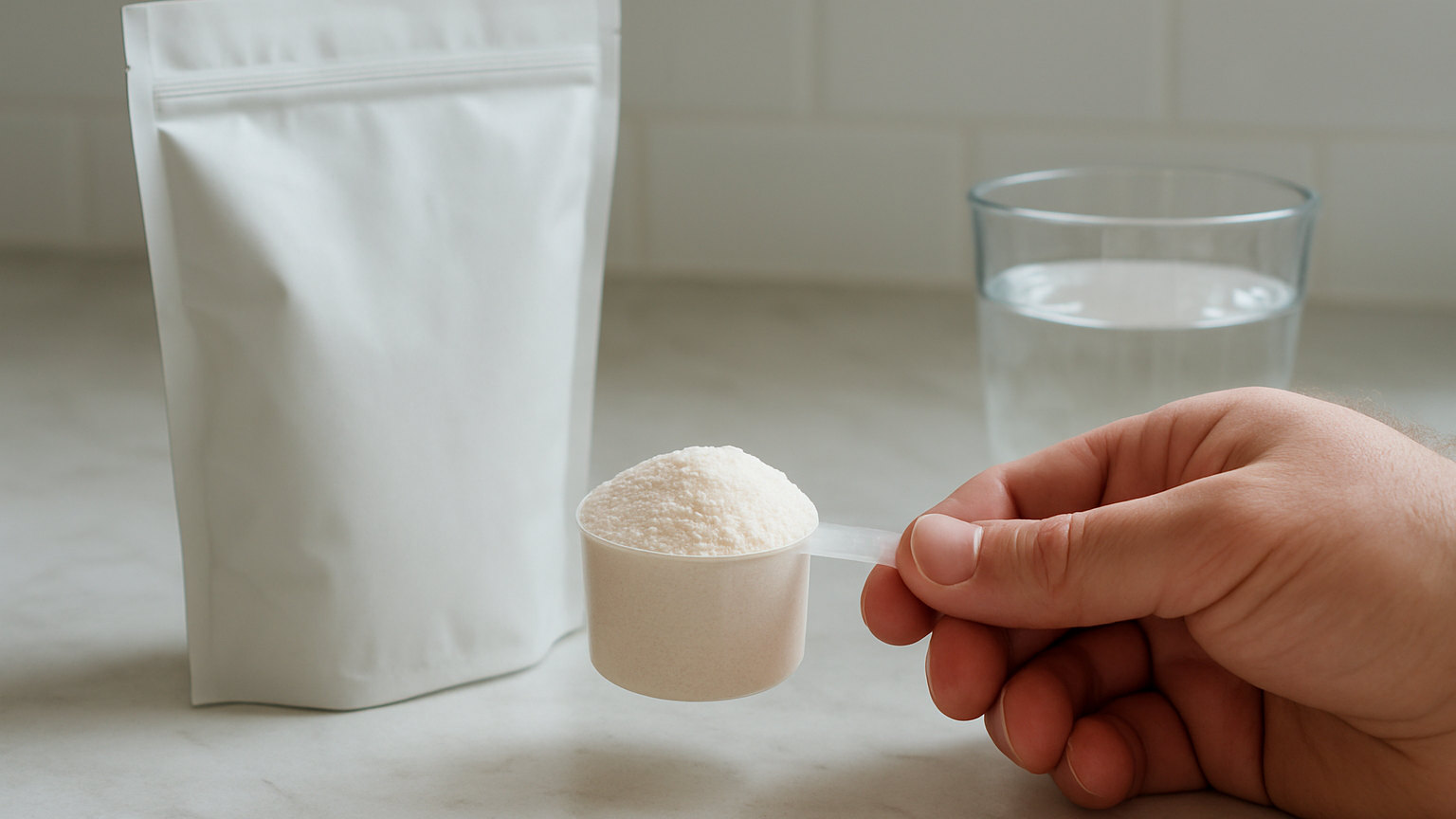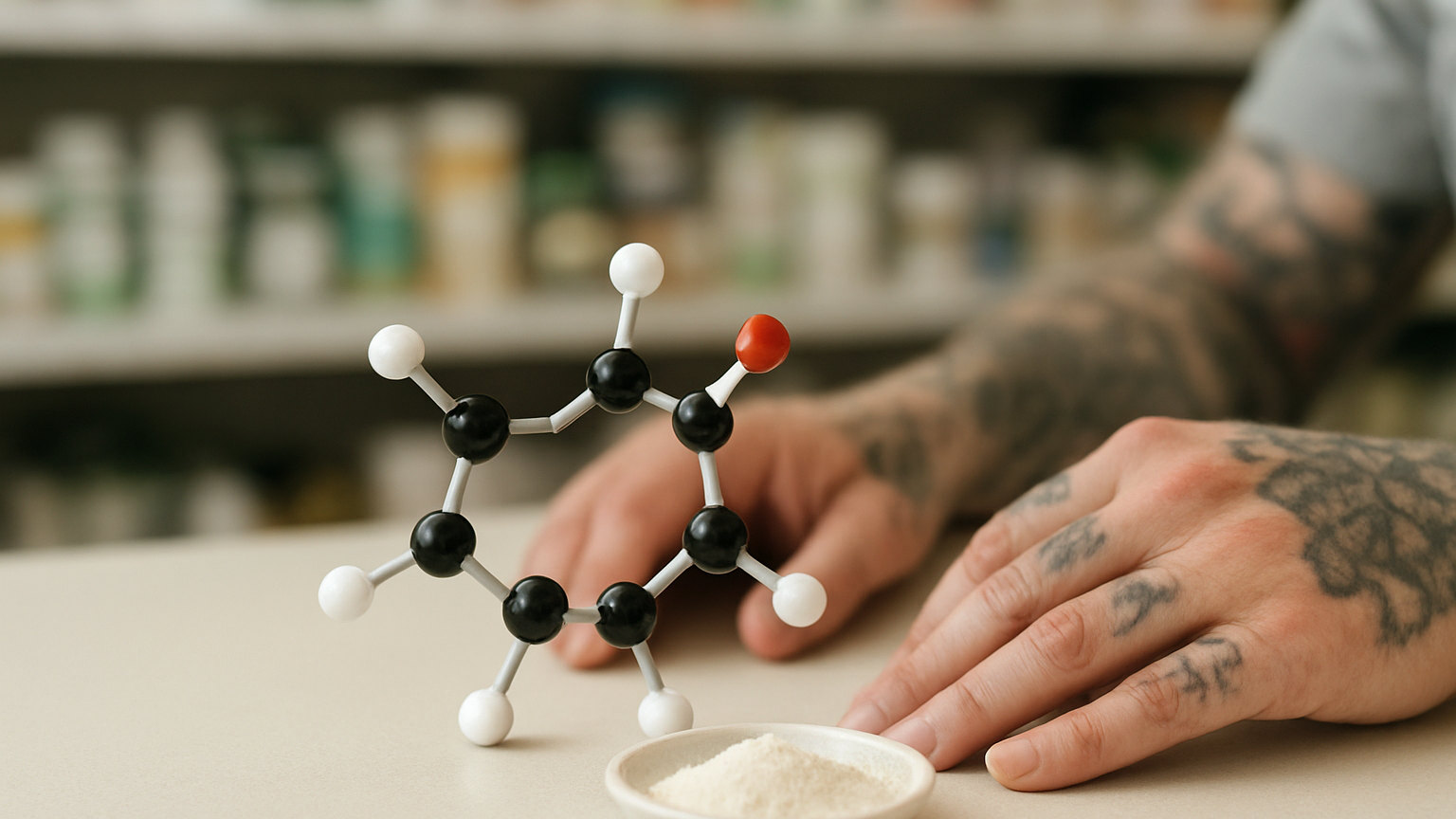
This question comes up because beta alanine is usually sold in pre-workout products, which creates the impression it should be taken before training. That impression is wrong, and it leads people to take it on roughly half the days they should.
Why does it need to be daily?
Because carnosine accumulates gradually inside muscle cells. Each dose adds a small amount to a pool that builds over weeks.
Total intake over the supplementation period determines the final carnosine level, so a dose skipped is a contribution lost.
Someone taking beta alanine only on four training days a week is getting roughly 57 per cent of the intake of someone taking it daily, and will build correspondingly less carnosine.
Does taking it before training help at all?
Only in the sense that it counts towards your daily total. The dose itself does nothing for that session.
The tingling gives an impression of acute activity, which is why the pre-workout format persists despite the mechanism being chronic.
What if you miss a day?
Very little happens. Carnosine washes out at around two per cent per week, so a single missed day is negligible against a pool built over weeks.
Consistency over months is what matters rather than any individual dose, which makes beta alanine unusually forgiving of occasional lapses.
How should you organise it?
- Split the daily total into three or four doses of around 1.6 grams or less
- Attach doses to meals, which reduces tingling and aids memory
- Keep it entirely separate from your training schedule
- Consider a sustained release product for once or twice daily dosing
Treating it like a daily vitamin rather than a training supplement is the mental model that fits the mechanism.
Does this apply to other supplements?
Creatine works the same way, saturating muscle stores over weeks, so it should also be taken on rest days.
Caffeine and citrulline are the opposite, acting acutely and only useful around training.
Separating supplements into these two categories clarifies most timing questions.
Why do pre-workouts include it then?
Partly because it has genuine evidence, and partly because the tingling makes a product feel like it is working.
The format is a poor match for the mechanism, and taking beta alanine separately is more effective for anyone serious about it.
What if you only train some weeks?
Carnosine declines so slowly that a few weeks off training makes little difference to your levels if you keep supplementing.
If you stop both, expect a gradual decline over months rather than a rapid loss.
What is the summary?
Take it every day. The mechanism is accumulation, not acute action, and rest day doses count exactly as much as training day ones.
This article is general information and not medical advice.
What is the simplest way to remember?
Attach doses to meals, which most people eat daily regardless of whether they train.
Keeping the tub somewhere visible rather than in a gym bag also helps, since a gym bag reinforces the association with training days.
Does the dose need adjusting on rest days?
No. The same daily total applies regardless of activity, since carnosine accumulation is driven by intake rather than by training.
Training does raise carnosine independently, which is an argument for training rather than for varying the dose.
What is the summary?
Every day, including rest days, because the mechanism is accumulation rather than acute action.
Thinking of it as a daily supplement rather than a training one resolves the question entirely.
What about holidays and travel?
Missing a week matters very little given the washout rate, so there is no need to carry it everywhere.
Resuming afterwards continues from close to where you were rather than from baseline.
The same logic applies to creatine, and separating supplements into acute and accumulating categories answers most timing questions people have about them.
Caffeine and citrulline belong in the first group and need timing. Beta alanine and creatine belong in the second and do not.