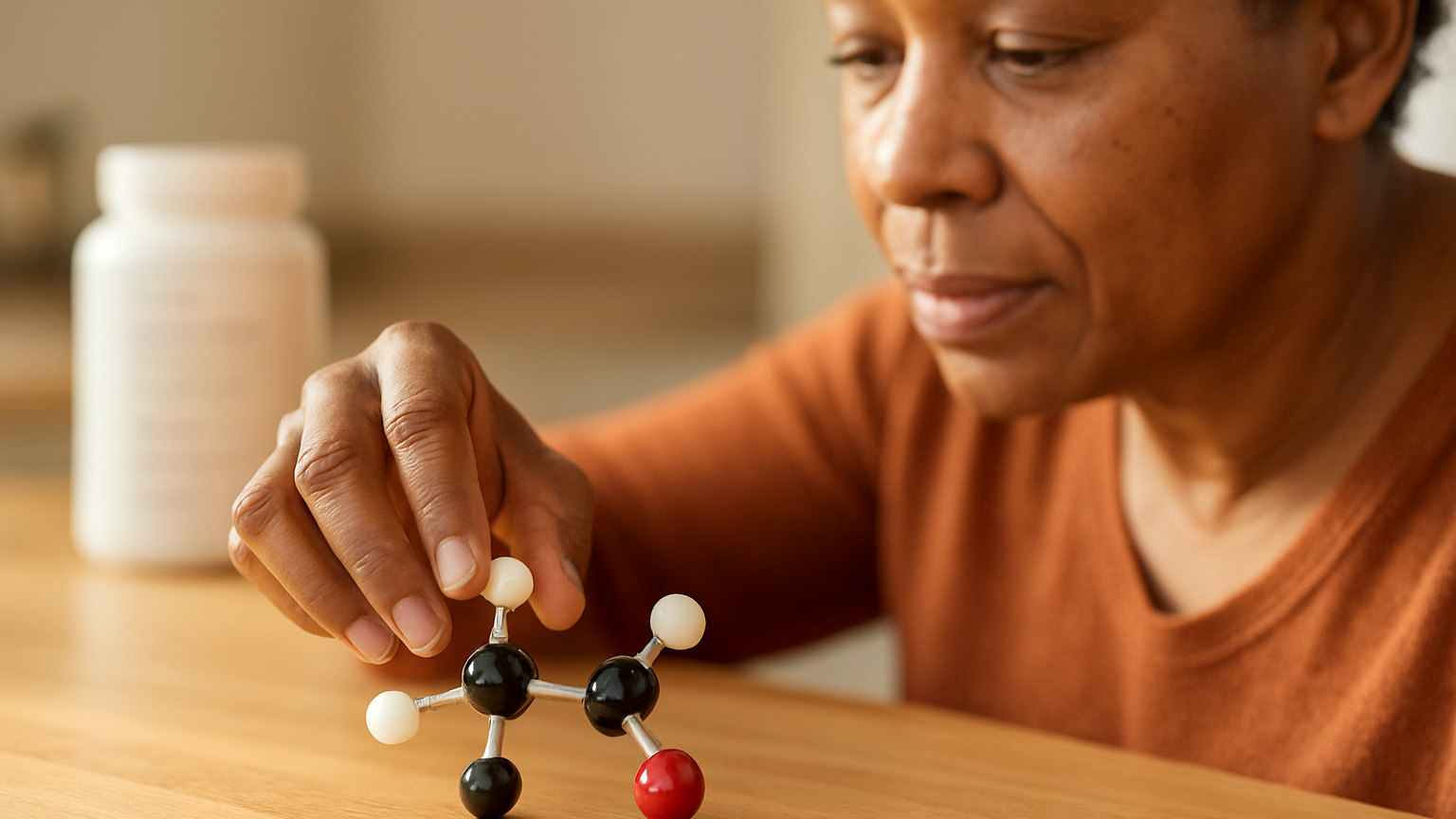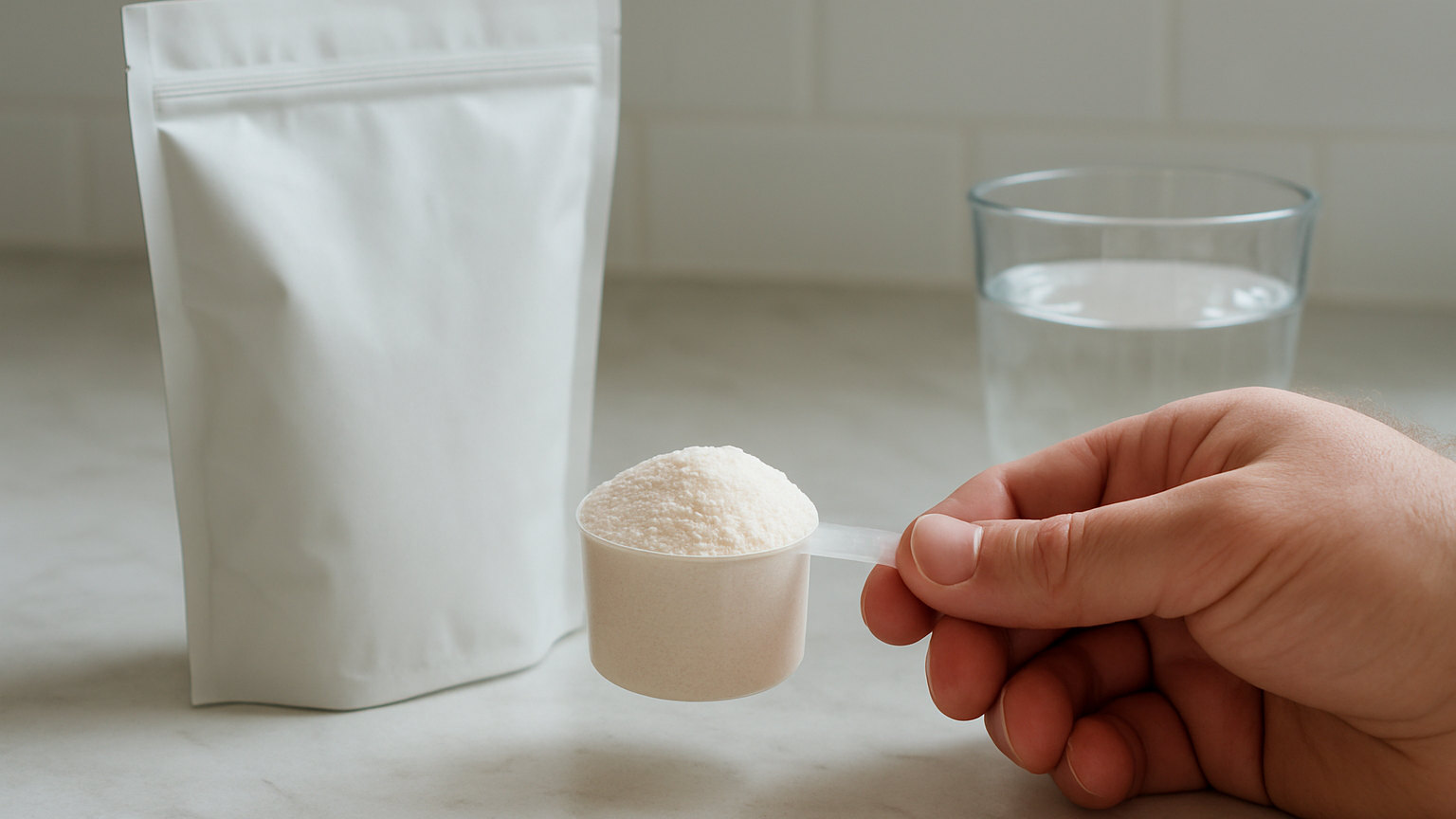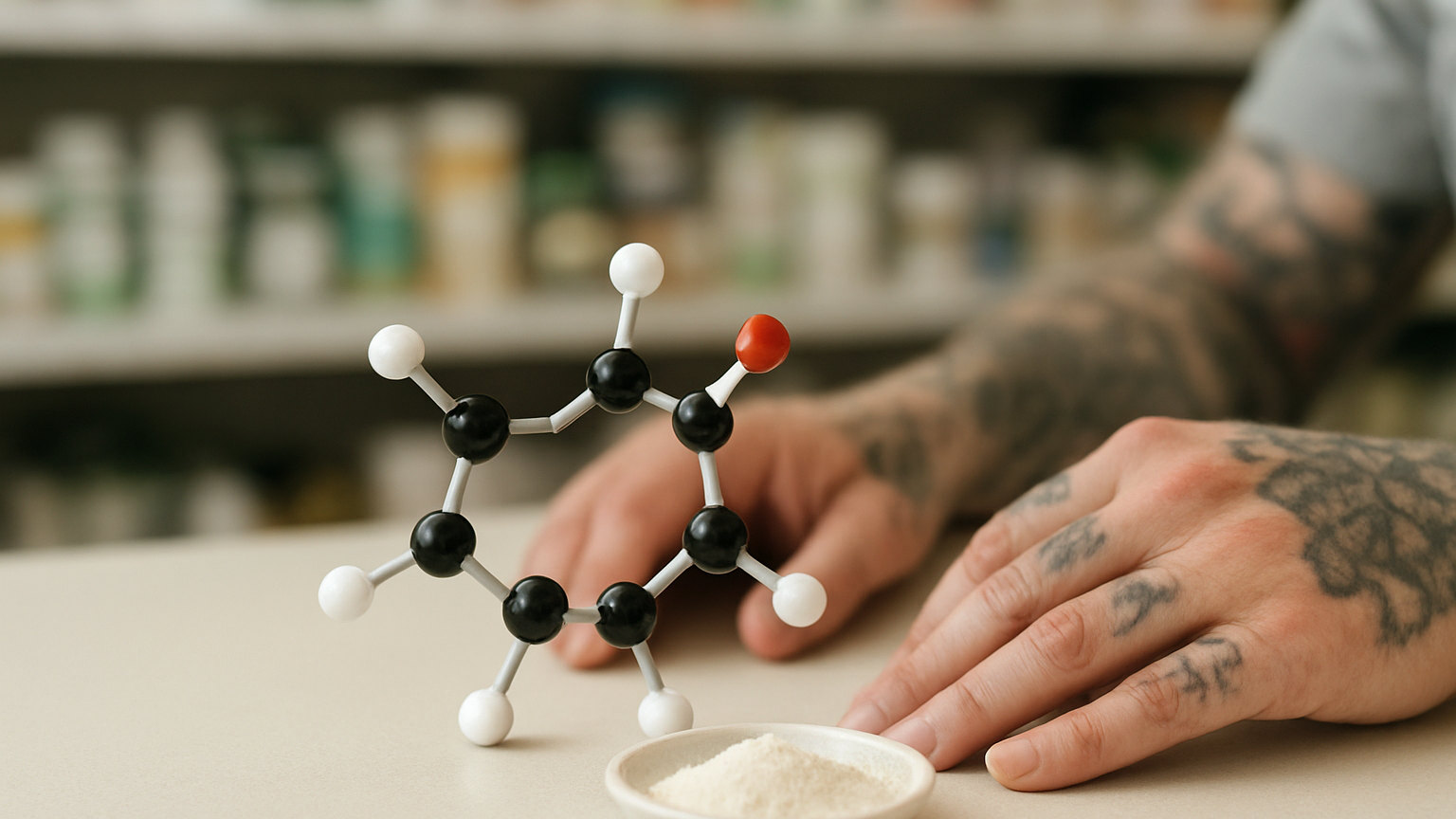
Loading and cycling are concepts imported from other supplements, and neither fits beta alanine well. The slow accumulation and even slower washout make continuous steady dosing the sensible approach.
Is there a loading phase?
Not in the way creatine has one. Higher doses do accelerate carnosine accumulation somewhat, and the constraint is tolerance rather than physiology.
Research doses of 4 to 6 grams daily are effectively the loading protocol, and there is no established higher dose phase followed by a lower maintenance one.
Taking more than around 6.4 grams daily produces diminishing returns and considerably more tingling.
What about a maintenance dose?
This is more plausible. Once carnosine is elevated after ten to twelve weeks, a lower dose may maintain it, since washout is slow.
Some suggest around 1.2 grams daily for maintenance, though this is less well studied than the loading protocol and the evidence is limited.
Continuing at the full dose is simple and inexpensive, which makes the question somewhat academic.
Why is cycling counterproductive?
Because carnosine washes out at around two per cent per week, taking fifteen weeks or more to return to baseline.
A four week break loses roughly eight per cent of what you built. A three month break loses a substantial proportion of a level that took months to accumulate.
There is no receptor downregulation or tolerance mechanism that a break would reset, so nothing is gained in exchange.
Is there any safety reason to cycle?
None established. Studies extending to 24 weeks have found no adverse effects beyond tingling, and position stands describe it as safe at recommended doses.
The theoretical taurine concern has not been demonstrated in people at supplement doses.
What does the slow washout mean practically?
- Missing individual days makes almost no difference
- A week away on holiday is negligible
- Consistency over months matters more than daily perfection
- Restarting after a break does not require beginning from zero
This makes beta alanine one of the more forgiving supplements to take, which is a genuine practical advantage.
When might you stop?
If your training moves away from the duration window where it helps, if the tingling remains intolerable, or if you simply want to reduce what you take.
Any of these is a reasonable reason. There is no need to taper, since stopping produces no withdrawal effects.
What if you restart?
Resume the standard 4 to 6 grams daily. Depending on how long you stopped, carnosine may still be partly elevated, so you will not be starting from baseline.
What is the summary?
Take 4 to 6 grams daily, continuously, split into small doses. Loading adds nothing and cycling loses what you built for no benefit.
This article is general information and not medical advice.
What about combining with a break from training?
Continuing to supplement through a training break preserves carnosine, which means less to rebuild when you return.
Given how slowly it washes out, even stopping both for a month leaves you substantially above baseline.
Is there a simple protocol?
Four to six grams daily, split into three or four doses with meals, indefinitely. That is the entire protocol.
Its simplicity is one of the more appealing things about beta alanine compared with supplements requiring loading, cycling or careful timing.
What is the summary?
No loading, no cycling, no timing. Take it daily and continuously, and the slow washout means occasional lapses cost almost nothing.
Why is this different from other supplements?
Because the pool it builds turns over so slowly. Supplements requiring cycling generally involve tolerance or receptor adaptation, neither of which applies here.
Importing rules from one supplement to another is a common error, and beta alanine is a clear example of where it goes wrong.
The absence of loading, cycling and timing requirements makes beta alanine unusually straightforward, which is worth appreciating in a category full of complicated protocols.
Take it daily, forget about it, and reassess after a couple of months.