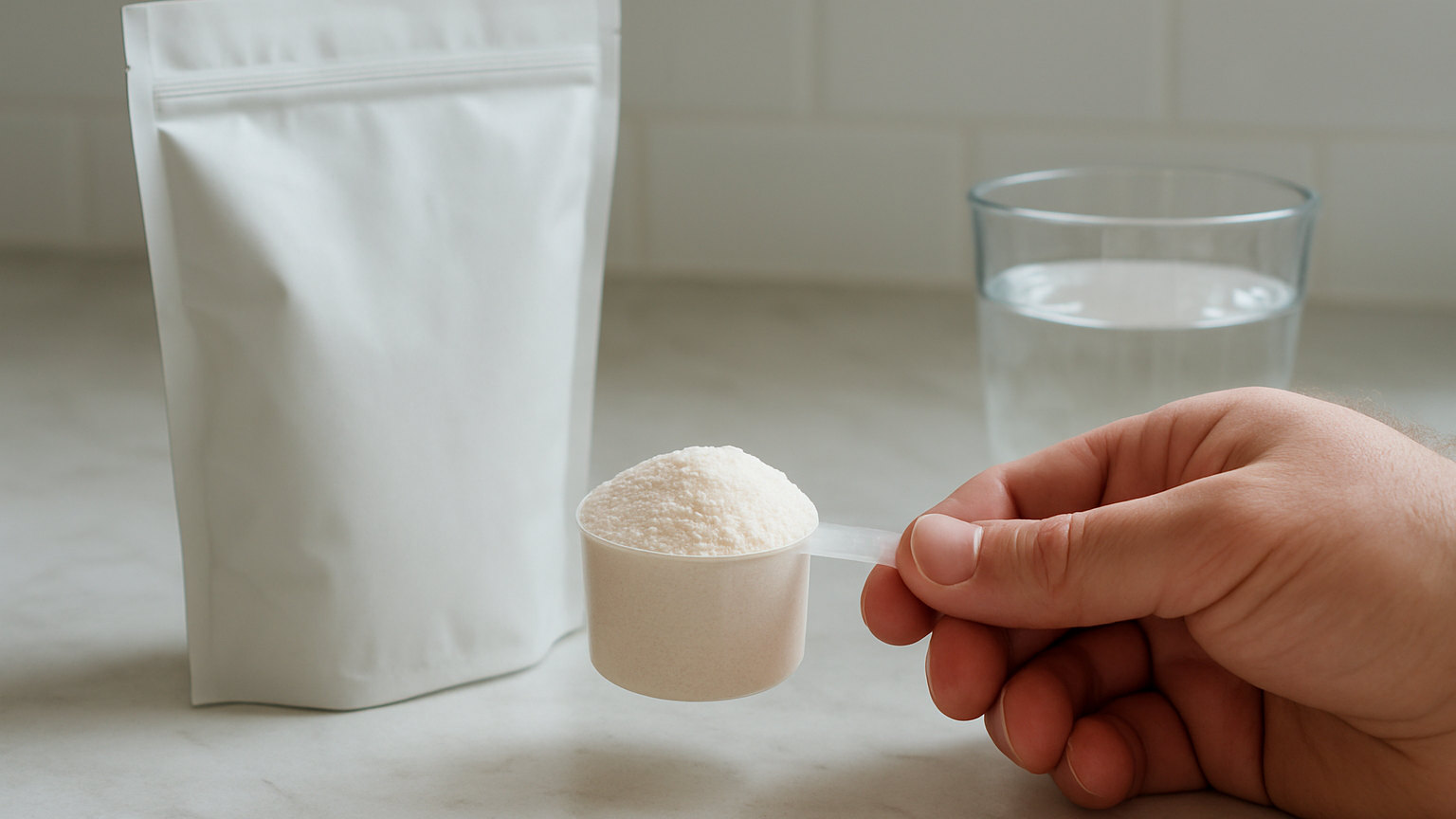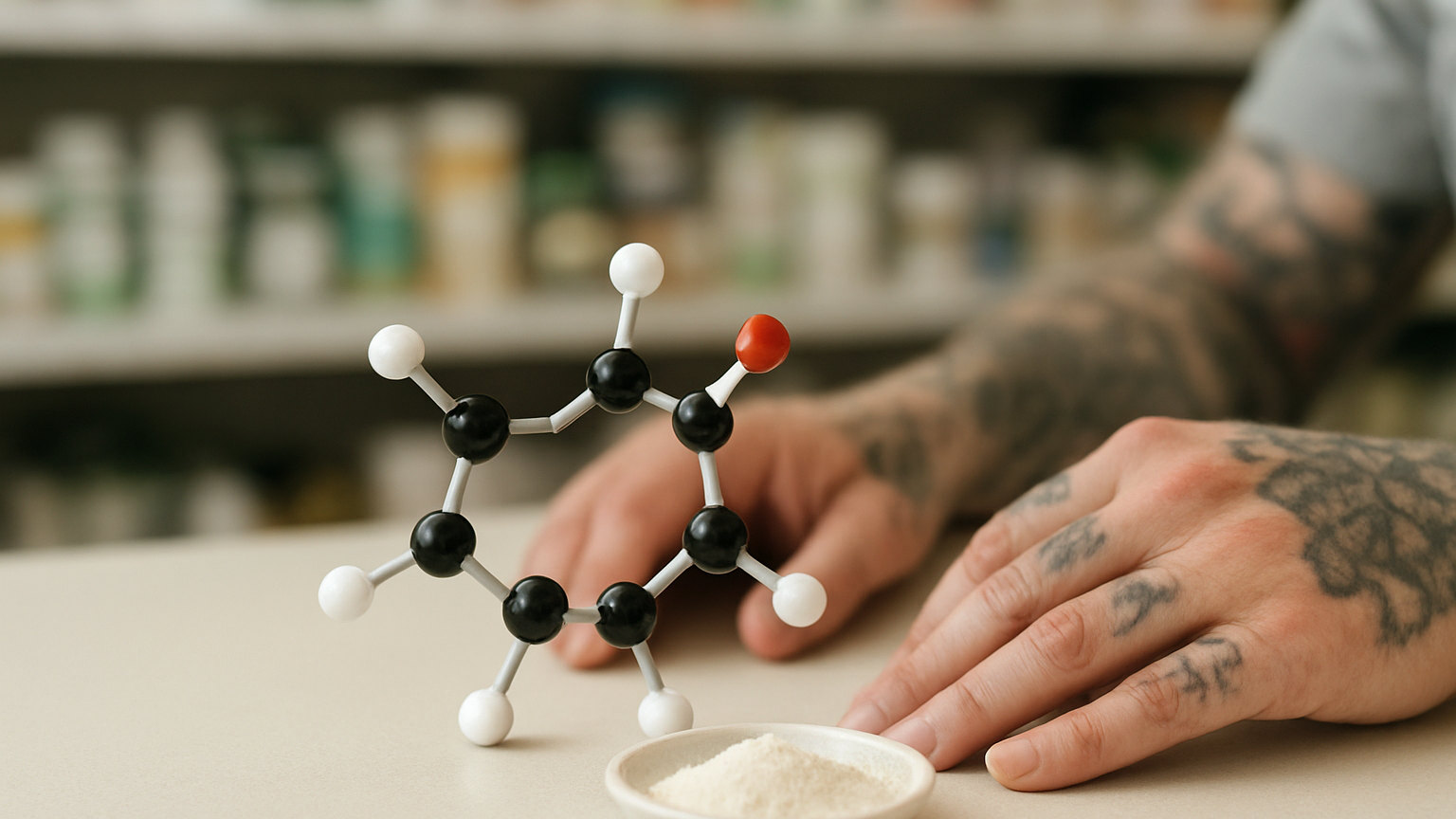
BCAA products advertise ratios of leucine to isoleucine to valine, with 2 to 1 to 1 the standard and higher leucine versions marketed as superior. The evidence does not support the escalation.
Where does 2 to 1 to 1 come from?
It approximates the ratio of these amino acids in human muscle protein and in high quality dietary proteins.
It is also the ratio used in the great majority of research, which means the studies people cite were conducted with it.
Whey protein contains BCAAs in roughly this proportion, which is unsurprising given it is a complete protein.
Why do higher ratios exist?
Because leucine is the amino acid that triggers muscle protein synthesis, so more leucine sounds better.
Products marketed at 4 to 1 to 1, 8 to 1 to 1 and higher use this reasoning, often at a premium.
Is more leucine better?
Only up to the threshold. Research suggests around two to three grams of leucine maximally stimulates the synthesis signal in a single feeding.
Beyond that, additional leucine does not increase the response further. The signal is already maximal.
A 2 to 1 to 1 product at a normal serving already reaches or approaches that threshold.
Could higher ratios be worse?
Possibly. At a fixed total dose, increasing the leucine proportion means less isoleucine and valine.
The three compete for the same transporter, so an excess of leucine may reduce uptake of the other two.
Studies comparing ratios directly are limited, and the theoretical case for higher ratios being harmful is at least as strong as the case for them being better.
Does the ratio matter at all if protein is adequate?
Very little. Anyone consuming sufficient complete protein is already getting BCAAs in appropriate proportions alongside the other essential amino acids.
Debating ratios in a supplement that is largely redundant is a secondary question.
What should you look at instead?
- Total grams of BCAAs per serving rather than the ratio
- Leucine content specifically, against the two to three gram threshold
- Cost per gram compared with whey protein
- Whether an EAA product would serve better for the same money
What about instantised or vegan sourced?
Instantised versions dissolve more readily, which is a formulation convenience rather than a functional difference.
BCAAs have historically been produced from animal sources including duck feathers and human hair, which prompted the development of fermented vegan versions. These are chemically identical.
What is the summary?
2 to 1 to 1 is the ratio with the research behind it. Higher leucine ratios are a marketing escalation with no demonstrated advantage and a plausible disadvantage.
This article is general information and not medical advice.
Does whey have a ratio?
Effectively, and it is close to 2 to 1 to 1 naturally, since it is a complete protein evolved for growth.
That is a reasonable argument that the standard ratio reflects biology rather than an arbitrary choice.
What should you actually compare?
Cost per gram of leucine against whey, and whether an EAA product would supply the same leucine plus the other six essentials for similar money.
That comparison usually settles the ratio question by making it irrelevant.
What is the summary?
Two to one to one is the researched ratio and matches muscle composition. Higher leucine versions escalate a number without escalating a benefit.
The more useful comparison is against whey, which supplies the same amino acids plus six others.
Does dose matter more than ratio?
Considerably. Reaching the leucine threshold of two to three grams matters more than the proportions of the three amino acids.
A larger serving at 2 to 1 to 1 achieves that more completely than a smaller serving at a higher leucine ratio.
What about products adding extra leucine?
Some protein powders add leucine to raise the total towards the threshold, which is a more sensible approach than a separate BCAA supplement.
The leucine arrives alongside the other essential amino acids that synthesis requires.