Maca root has moved from a Peruvian staple food to a global supplement, and its research is small but more interesting than most.
What is maca root?
The root of Lepidium meyenii, a plant in the brassica family grown at high altitude in the Peruvian Andes and eaten as a food there.
Maca root is sometimes called Peruvian ginseng, though it is unrelated to ginseng and shares none of its compounds.
What do people take it for?
Libido and sexual function, which is the use with the most supporting research.
Energy and stamina, reflecting its traditional food use.
Menopausal symptoms and fertility, both with thinner evidence.
What does the research show?
Small randomised trials have reported increases in sexual desire in men and, in some studies, in women.
Notably, those trials found no change in testosterone, oestrogen or other hormone levels.
Whatever maca root does, it does not appear to work hormonally.
What about energy?
Evidence is limited, and the energy claims rest largely on traditional use and on maca root being a carbohydrate rich food.
Any effect on fatigue has not been well demonstrated.
What do the colours mean?
Maca root comes in yellow, red and black varieties, marketed for different purposes.
Some research has examined the varieties separately, and the evidence for distinct effects is thin.
What is gelatinised maca?
Maca root that has been heated to break down starch, which improves digestibility and reflects the traditional practice of cooking it.
Raw maca powder is a more recent innovation and is less easily digested by some people.
What is the thyroid caution?
Maca root belongs to the brassica family and contains glucosinolates, compounds that can affect thyroid function at high intakes.
Traditional preparation involves cooking, which reduces them, and anyone with a thyroid condition should discuss it.
What else should you consider?
- Limited safety data in pregnancy and breastfeeding
- Possible effects for people with hormone sensitive conditions, despite the hormone findings
- Digestive upset with raw powder
- Heavy metal testing, as with any dried plant powder
What dose is used?
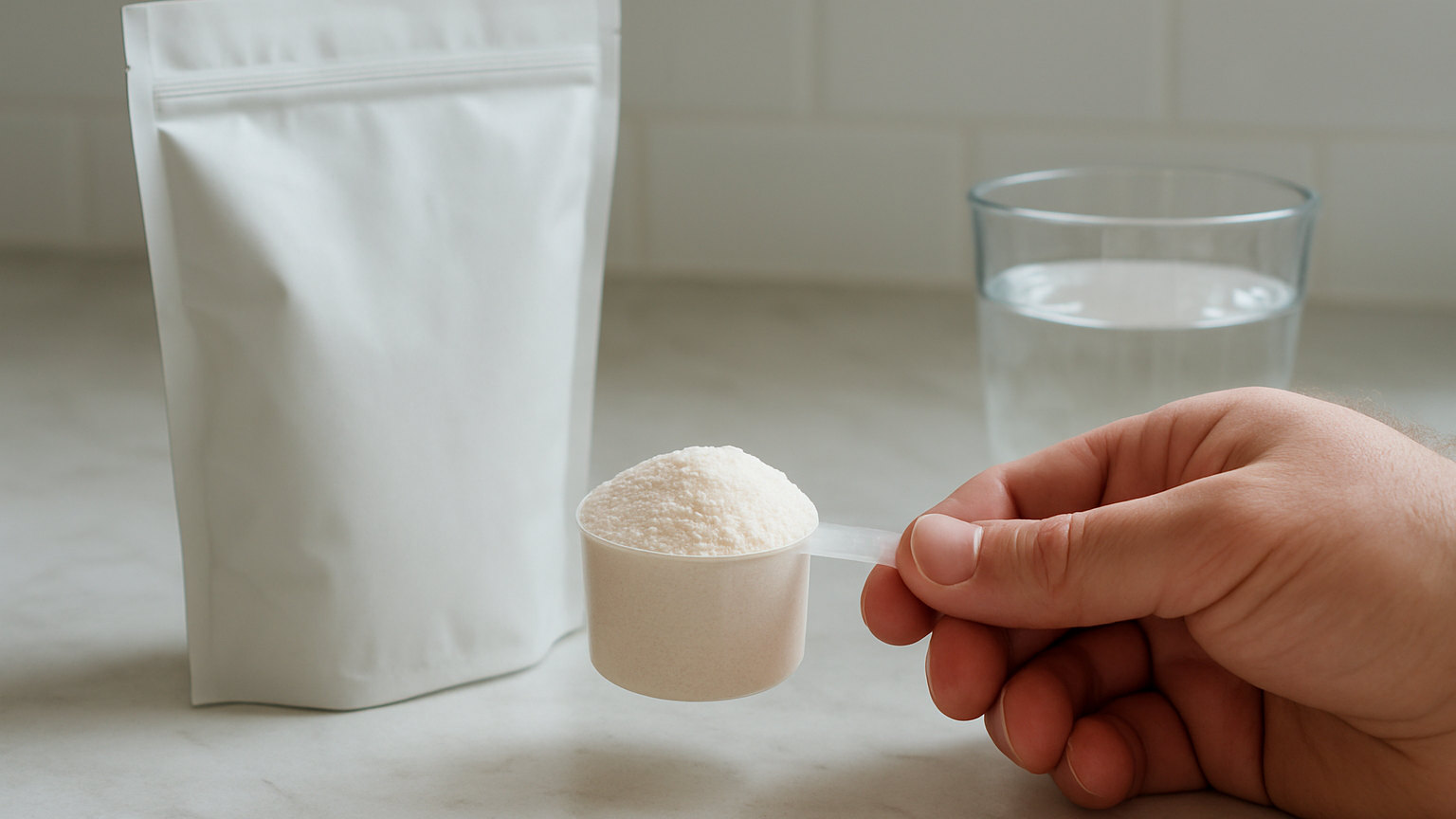
Trials have commonly used one and a half to three grams daily over six to twelve weeks.
That is a food quantity rather than a concentrated extract dose.
Is it worth trying?
For libido it has small trials behind it and a reasonable safety profile as a food.
Persistent low libido has several causes worth discussing with a GP, including medication side effects.
What is the summary?
Maca root is taken for libido and energy, small trials support the libido use without hormonal change, and cooking matters for the thyroid consideration.
This article is general information and not medical advice.
What should you check on a label?
Whether it is gelatinised or raw, and the daily amount supplied.
Maca root is a food quantity product rather than a concentrated extract in most cases.
What does it illustrate?
That a supplement can produce an effect in trials without the mechanism being what marketing claims.
The hormone findings here are a useful example.
What about fertility claims?
Some small studies have examined maca root and sperm parameters with limited findings.
Anyone with fertility concerns should seek proper assessment, since a semen analysis provides real information.
Supplements are not a substitute for that.
What should you expect?
A possible improvement in sexual desire over several weeks, based on small trials, and no hormonal change.
Energy claims are not well supported.
Persistent fatigue deserves investigation.
How is it eaten traditionally?
Cooked and dried, often as a porridge or added to drinks, in quantities that form part of the diet rather than a supplement dose.
The traditional preparation reduces the compounds that raise the thyroid question.
Raw powder is a modern format.
What is the honest position?
Small trials supporting a libido effect, no hormonal change, and a food with a long history of safe consumption.
That is a better position than most supplements in this space manage.