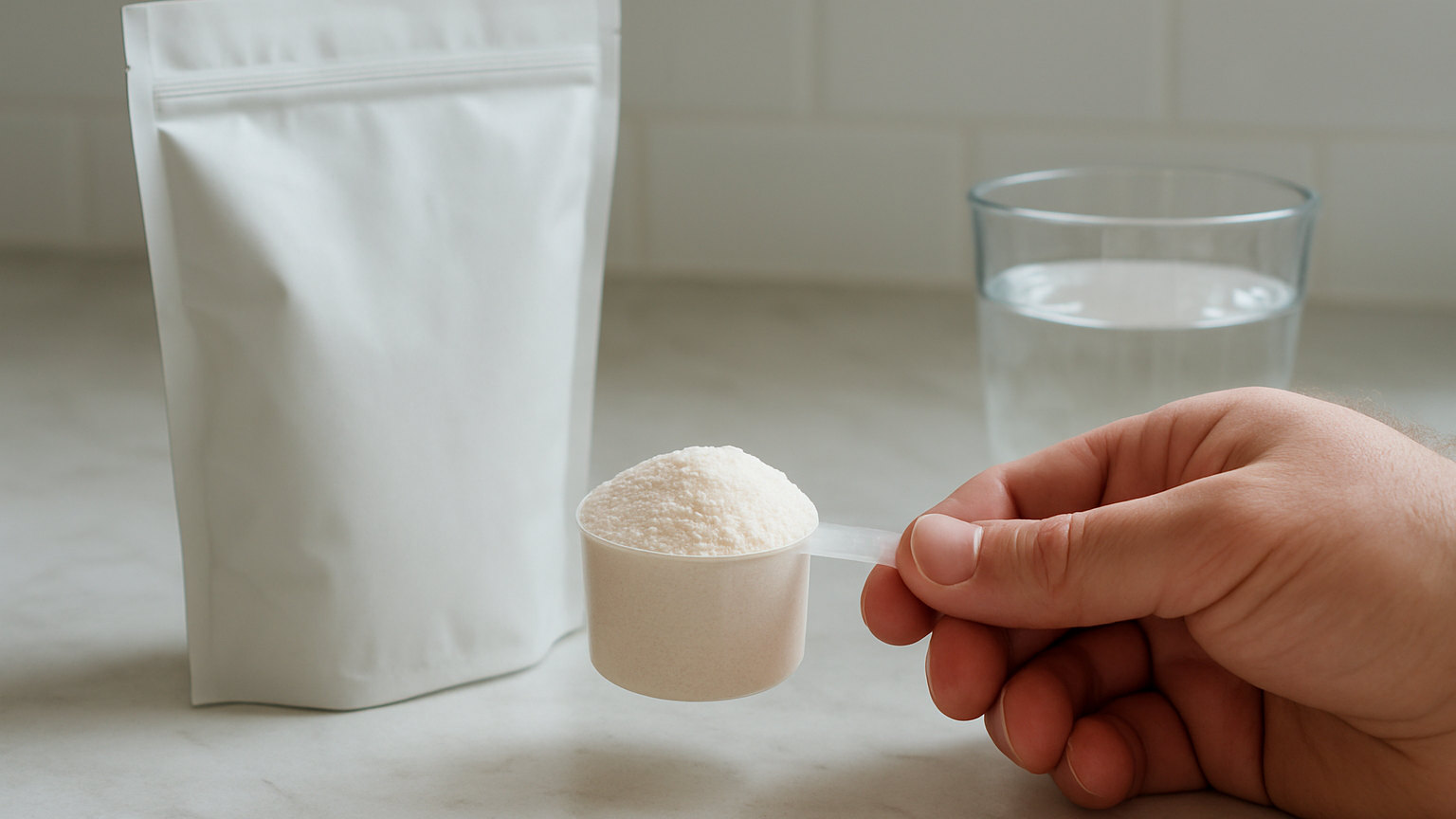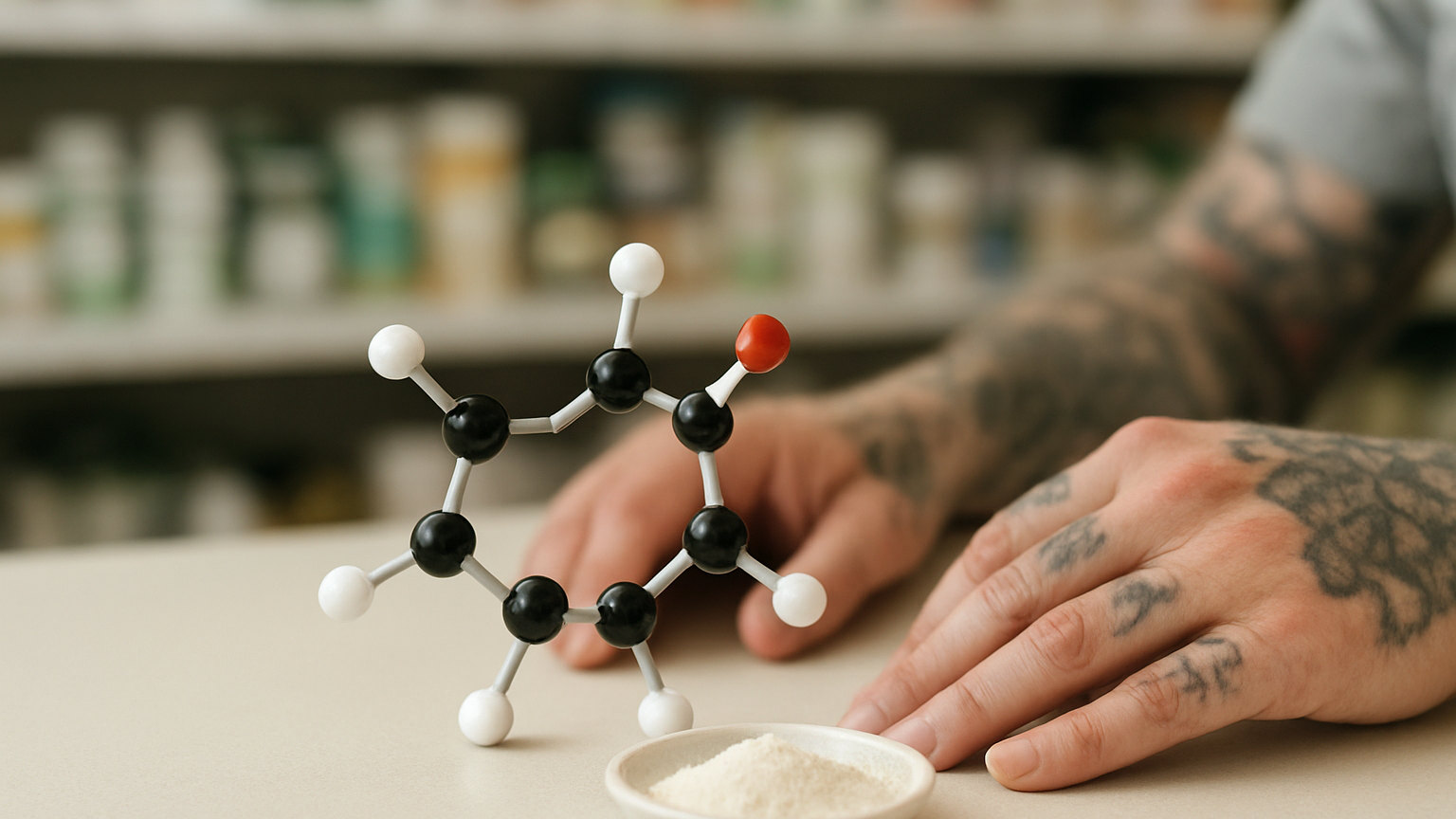
Preserving muscle during weight loss is a genuine concern with a well established solution. BCAAs are marketed as part of that solution and add little to what higher protein already achieves.
What happens to muscle in a deficit?
Weight lost in a calorie deficit includes both fat and lean tissue. The proportion depends heavily on protein intake, training and the size of the deficit.
Losing muscle reduces resting metabolic rate and physical function, which is why preserving it matters beyond appearance.
What actually preserves it?
- Higher protein intake, commonly recommended at 1.6 to 2.4 grams per kilogram when cutting
- Resistance training, which provides the signal to retain muscle
- A moderate rather than aggressive deficit
- Adequate sleep, since restriction increases lean mass loss
Protein and resistance training are the two large levers, and studies consistently show their combination substantially reduces lean mass loss.
Do BCAAs add anything?
Not once protein is adequate. Someone eating 2 grams per kilogram is already consuming large quantities of BCAAs distributed across meals.
Adding a supplement provides more of three amino acids that were not in short supply.
What about the leucine argument?
Leucine triggers muscle protein synthesis, and in a deficit that signal matters. The argument is that supplementing leucine helps maintain the signal.
The difficulty is that a protein feeding already supplies the leucine threshold, and the other essential amino acids needed to act on the signal.
Studies giving leucine or BCAAs alongside adequate protein during weight loss have not generally found additional preservation.
Does very low calorie dieting change this?
In severe restriction, amino acid provision becomes more important, and this is where clinical uses of amino acid supplementation exist.
Very aggressive deficits cause substantial lean mass loss regardless, which is an argument for moderating the deficit rather than supplementing around it.
What about training fasted while cutting?
The same reasoning applies. Total daily protein and energy determine what happens to muscle rather than the fed state during any individual session.
If you want amino acids around fasted training, whey or EAAs serve better than BCAAs.
Do BCAAs help with hunger?
Protein is satiating, and BCAAs supply few calories and little satiety compared with a protein feeding.
A flavoured BCAA drink may help with the ritual of consuming something, which is a behavioural rather than physiological benefit.
What is the summary?
Protein and resistance training preserve muscle in a deficit. BCAAs add nothing to an adequate protein intake and cost money that could go towards protein.
This article is general information and not medical advice.
What about very lean individuals?
At low body fat, the body becomes more inclined to draw on lean tissue, and protein requirements are often set higher for this reason.
Recommendations towards the upper end of the range, around 2.4 grams per kilogram, apply to lean individuals in a substantial deficit.
What is the practical approach?
Raise protein, keep lifting, moderate the deficit and protect sleep. Those four cover essentially everything that determines what you lose.
What is the summary?
Protein, lifting, a moderate deficit and sleep preserve muscle. BCAAs add nothing to an adequate protein intake and cost money better spent on protein.
Does the deficit size matter?
Substantially. Aggressive deficits increase lean mass loss regardless of protein intake, so moderating the rate of loss protects muscle more than any supplement.
Losing weight slowly with adequate protein and resistance training is the approach with the best evidence.
What about hunger during a deficit?
Protein is the most satiating macronutrient, which is another argument for spending the money on protein rather than amino acids.
A BCAA drink supplies little satiety compared with a protein feeding of similar cost.
Weighing yourself and tracking strength over weeks tells you whether muscle is being preserved far more reliably than any supplement decision.
Strength maintenance is a useful practical marker, since losing strength during a deficit usually indicates the deficit is too aggressive or protein is too low.