
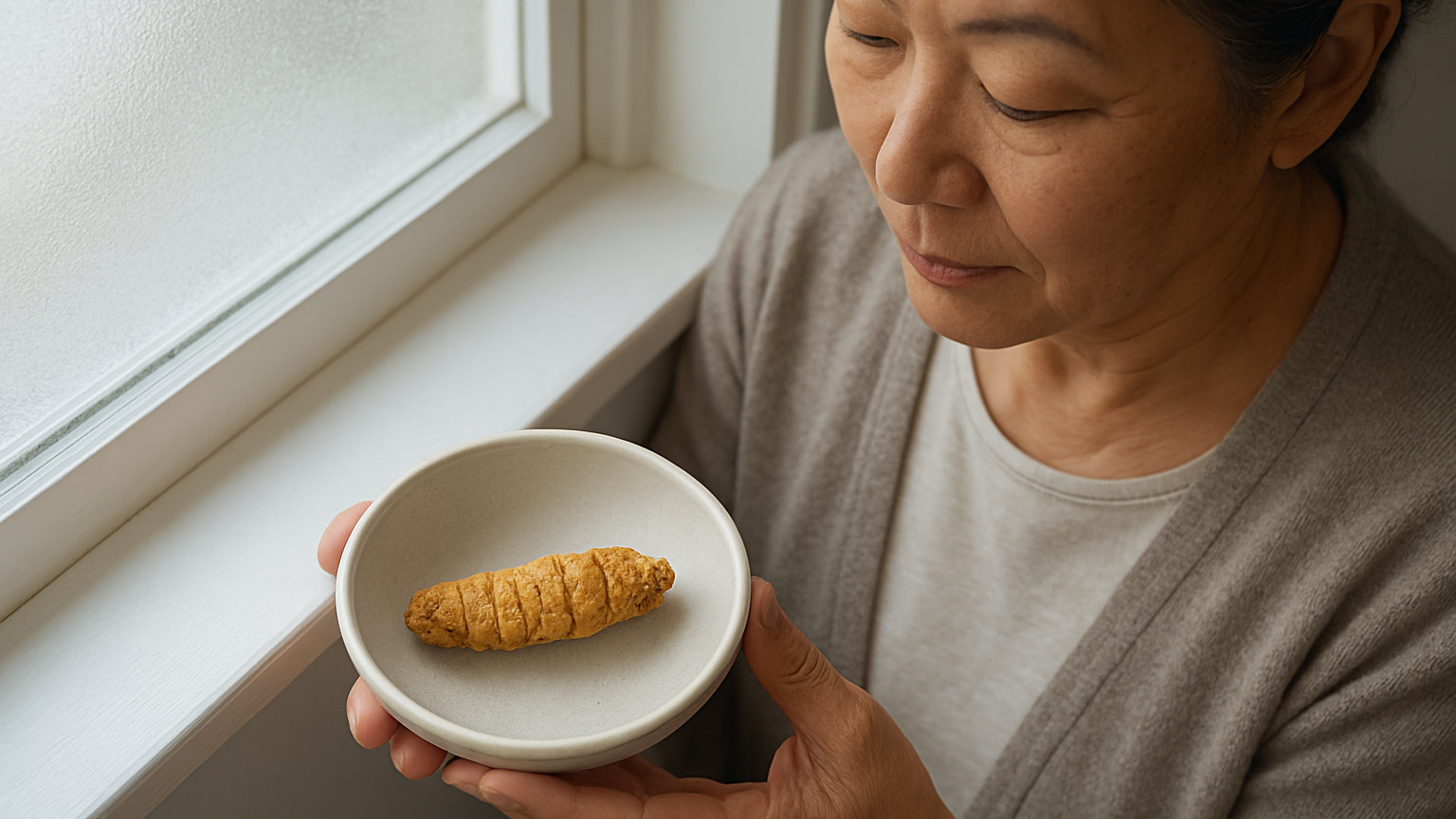
Goldenseal is a traditional North American herb with an unusually strong effect on how the body processes medicines.
What is goldenseal?
The root of Hydrastis canadensis, a woodland plant used by indigenous peoples and adopted into Western herbal medicine.
Goldenseal contains berberine and related alkaloids, which account for both its yellow colour and its activity.
What do people take it for?
Colds, sore throats and sinus congestion, frequently in combination with echinacea.
Digestive complaints including diarrhoea and indigestion.
Topically for skin and mouth irritation, and in eye washes historically.
What does the research show?
Human trials of goldenseal itself are very limited, and most claims extrapolate from research on berberine or from laboratory work.
Berberine research uses doses far above the amount goldenseal supplies in typical products.
Why is the interaction profile so significant?
Goldenseal is a potent inhibitor of enzymes including CYP3A4 and CYP2D6, which between them metabolise a very large proportion of prescribed medicines.
Inhibiting them slows drug breakdown, raising blood levels and increasing the risk of side effects or toxicity.
Studies in volunteers have demonstrated substantial changes in drug levels, which is unusual for a herbal supplement.
Which medicines are affected?
- Many antidepressants and antipsychotics
- Some beta blockers and heart rhythm medicines
- Statins and various other common drugs
- Opioid painkillers including codeine
Anyone taking regular medication should avoid goldenseal unless a pharmacist has confirmed it is suitable.
Who should avoid it?
Pregnant women, since berberine crosses the placenta and can cause problems in newborns.
Breastfeeding women, for the same reason.
Newborns and infants, where berberine can displace bilirubin.
Anyone with liver disease or high blood pressure.
What about the drug test myth?
A persistent belief holds that goldenseal masks drugs in urine tests. It does not, and the idea originates in a nineteenth century novel.
What is the sustainability issue?
Wild goldenseal has been heavily harvested and is subject to international trade controls.
Adulteration and substitution have been documented, which makes sourcing and testing more relevant than usual.
What should you look for?
The botanical name, cultivated rather than wild harvested sourcing, and stated alkaloid content.
Is it worth taking?
The evidence is thin, the interaction profile is serious and the sustainability position is poor.
There are few situations where goldenseal is the sensible choice.
What is the summary?
Goldenseal is taken for colds and digestion, has little supporting evidence, and inhibits drug metabolism strongly enough to matter clinically.
This article is general information and not medical advice.
How does it compare with berberine supplements?
Berberine sold on its own delivers far more of the alkaloid than goldenseal does, at doses used in research.
Both carry substantial interaction potential, and berberine at least states its content clearly.
Why is it in cold remedies?
Traditional use for mucous membrane complaints, combined with a long standing pairing with echinacea in commercial products.
The combination has not been shown to work better than either alone.
Who should avoid it?
Anyone taking regular prescribed medication, anyone pregnant or breastfeeding, and anyone giving it to a child.
That covers a large proportion of people who might otherwise buy it.
What should you do instead?
For colds, rest and simple symptom relief. For digestive complaints, a GP if symptoms persist.
Goldenseal offers little that justifies its interaction profile.
What does goldenseal illustrate?
That herbal products can affect drug metabolism as strongly as some prescribed medicines, without any of the accompanying warnings.
It is among the clearest examples of why supplements belong on medication lists.
A pharmacist check takes minutes.
Report any suspected reaction through the MHRA Yellow Card scheme.
Goldenseal is one of the herbs where interactions are most likely to be clinically meaningful.
Checking first is straightforward.
Anyone considering goldenseal should treat it as a pharmacologically active product rather than a gentle herb.
Its reputation does not match its interaction profile.
The evidence gap and the interaction risk point the same way here.
Few supplements combine both so clearly.


