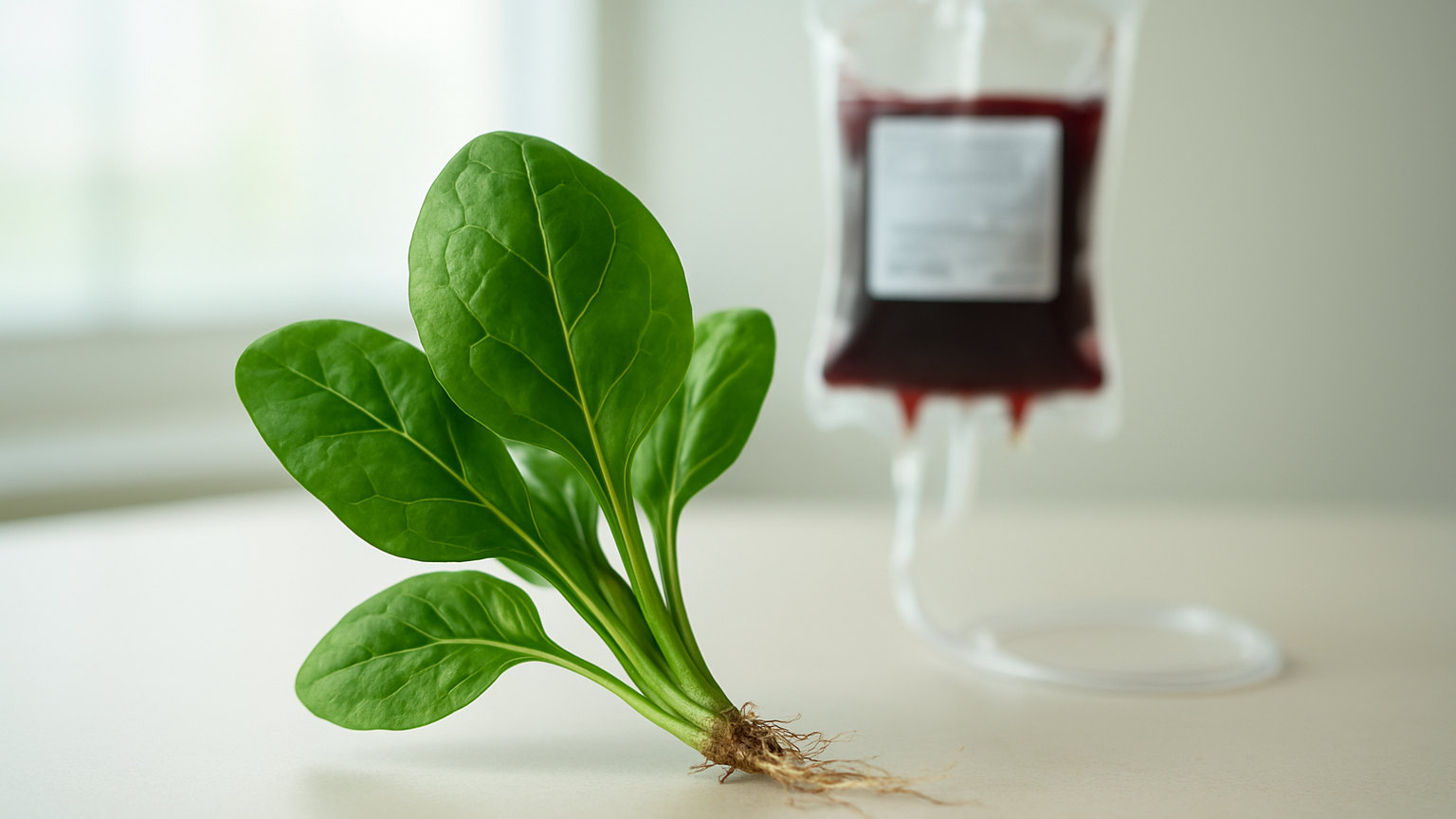
Magnesium sits at the centre of the chlorophyll molecule, which is why green plants are a reliable source. Beyond greens, the richest foods are seeds, nuts, legumes and wholegrains, and refining removes a great deal of it.
Which foods contain the most?
- Pumpkin seeds, among the richest common foods by weight
- Chia seeds, almonds, cashews and brazil nuts
- Dark chocolate, particularly at higher cocoa percentages
- Black beans, edamame, lentils and chickpeas
- Spinach, chard and other dark leafy greens
- Wholegrains including brown rice, oats and wholemeal bread
- Avocado, bananas and dried figs
- Tofu, especially when set with magnesium salts
A handful of pumpkin seeds or almonds contributes a substantial share of the daily reference intake, which makes magnesium one of the easier minerals to top up through snacking.
Why is it in green vegetables?
Chlorophyll, the pigment plants use for photosynthesis, contains a magnesium atom at its centre in the same way haemoglobin contains iron.
This makes dark green leaves a dependable source, though the amounts per portion are lower than seeds and nuts because of the water content.
How much does refining remove?
A great deal. Magnesium is concentrated in the bran and germ of grains, both of which are removed during refining.
White flour contains a small fraction of the magnesium in wholemeal, and unlike iron, thiamine and niacin, magnesium is not added back through UK fortification requirements.
This is one reason average magnesium intakes have declined over the past century, alongside changes in soil mineral content and food processing more broadly.
Does cooking reduce it?
Boiling causes losses through leaching into the water, since magnesium is water soluble. Steaming and roasting retain more.
Using cooking water in soups and sauces recovers some of what leached out, which is the same advice that applies to B vitamins and vitamin C.
Magnesium is not destroyed by heat, so the loss is about where it ends up rather than degradation.
What reduces absorption?
Phytates in wholegrains, legumes, nuts and seeds bind magnesium, which is an awkward complication given those are the richest sources.
Soaking, sprouting and fermenting reduce phytate content. Sourdough bread contains less phytate than standard bread for the same reason.
Very high calcium intakes modestly reduce magnesium absorption, and alcohol substantially increases urinary losses.
What about hard water?
Drinking water contributes a genuinely variable amount. Hard water contains dissolved calcium and magnesium, and in hard water areas it can supply a meaningful share of intake.
Soft water and most filtered or reverse osmosis water contain very little. Some mineral waters are notably high in magnesium and list the content on the label.
Is dark chocolate a reasonable source?
Genuinely, and it deserves the reputation. Dark chocolate at 70 per cent cocoa or above contains a useful amount of magnesium per portion.
It also contains a lot of energy and some sugar, so it is a pleasant contributor rather than a strategy. Cocoa powder used in cooking supplies magnesium without the added fat and sugar.
If you eat nuts, seeds, legumes, wholegrains and greens regularly, your magnesium intake is very likely adequate without any supplement. This article is general information and not medical advice.
Are supplements or food better?
Food, where it is realistic. Magnesium from food arrives alongside fibre, potassium and other nutrients, and the absorption is slower and better regulated, which is why no upper limit applies to dietary magnesium.
A handful of pumpkin seeds or almonds most days moves intake meaningfully without any supplement, and costs less than most magnesium products.
Has magnesium content in food declined?
Some research suggests mineral content in crops has fallen over decades, attributed to soil depletion and to varieties selected for yield rather than nutrient density.
The size of the effect is debated and the shift towards refined grains and processed food is generally considered the larger factor in falling intakes.
The practical summary is that magnesium is one of the easier minerals to obtain from food, provided the diet includes nuts, seeds, legumes, wholegrains and greens. For most people that is a cheaper and more reliable route than any supplement.